
- Home
- Products
- About Us
- Quality
- Application
- Services & Support
- Blogs
- Contact
Views: 0 Author: Site Editor Publish Time: 2025-12-31 Origin: Site


Selecting the right welded pipe is a critical decision that directly impacts project safety, operational efficiency, and long-term cost-effectiveness. This comprehensive guide provides engineering professionals, procurement managers, and project decision-makers with an authoritative framework for choosing the optimal welded pipe solution. Whether you need stainless steel welded pipe, duplex steel welded pipe, titanium welded pipe, nickel alloy welded pipe, or super stainless steel welded pipe, this guide will help you navigate the complex landscape of material specifications, manufacturing processes, and application-specific requirements to ensure successful project outcomes.
Welded pipe refers to tubular products manufactured by forming flat-rolled steel or alloy plate into a cylindrical shape and joining the edges through various welding processes. Unlike seamless pipes that are produced from solid billets, welded pipes offer distinct advantages in terms of cost-efficiency, dimensional flexibility, and availability in large diameters. For industrial applications requiring specialized corrosion resistance or high-performance characteristics, welded pipe manufacturers like SSTube provide critical solutions through advanced metallurgy and precision fabrication.
The selection of welded pipe material fundamentally determines the performance, reliability, and service life of your piping system. Modern industrial environments demand materials that can withstand increasingly aggressive conditions including high temperatures, corrosive media, extreme pressures, and challenging operational parameters. This is where specialized stainless steel welded pipe, duplex steel welded pipe, titanium welded pipe, and nickel alloy welded pipe solutions become essential.
Understanding the manufacturing process is crucial when selecting a welded pipe manufacturer. The three primary welding methods each offer distinct characteristics:
Electric Resistance Welding (ERW): This cost-effective process uses high-frequency electrical current to heat and fuse the pipe edges without filler material. ERW is particularly suitable for carbon steel and lower-alloy applications where production efficiency is paramount. The process delivers consistent quality for diameters typically ranging from 1/2" to 24".
Submerged Arc Welding (SAW): SAW produces high-quality longitudinal welds by feeding a continuous electrode wire beneath a blanket of granular flux. This method is preferred for large-diameter pipes and applications requiring superior weld quality, particularly in stainless steel welded pipe and nickel alloy welded pipe production where weld integrity is critical.
Gas Tungsten Arc Welding (GTAW/TIG): For specialized materials like titanium welded pipe and certain super stainless steel welded pipe grades, TIG welding provides exceptional control and purity. This process is essential when working with reactive metals or applications requiring ultra-clean welds.
Stainless steel welded pipe represents the most widely used corrosion-resistant piping solution across industries. The austenitic grades (304, 304L, 316, 316L) offer excellent fabricability, weldability, and resistance to a broad spectrum of corrosive environments. When specifying stainless steel welded pipe, consider these critical factors:
Grade Selection Based on Environment:
304/304L: General-purpose grade suitable for mildly corrosive atmospheres, food processing, architectural applications
316/316L: Enhanced corrosion resistance due to molybdenum addition; ideal for marine environments, chemical processing, pharmaceutical applications
321: Stabilized grade for high-temperature service (up to 900°C) with titanium addition preventing sensitization
317L: Superior pitting resistance for chloride-containing environments
Weld Quality Considerations: The heat-affected zone (HAZ) in stainless steel welded pipe requires careful attention. Reputable welded pipe manufacturers employ solution annealing after welding to restore corrosion resistance and eliminate carbide precipitation. Look for pipes meeting ASTM A312 (seamless and welded austenitic) or ASTM A358 (large-diameter welded) specifications.
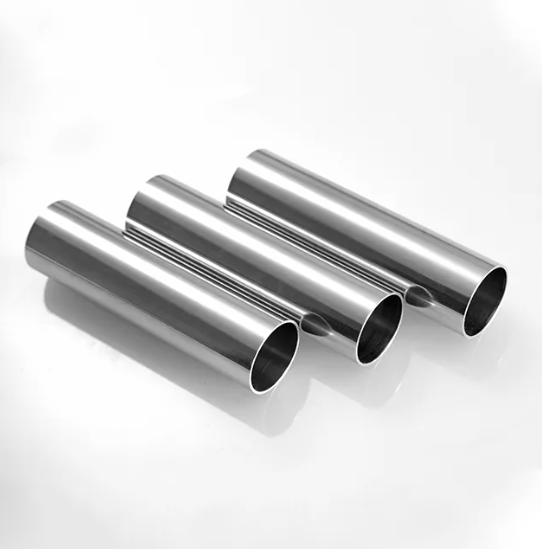
Duplex steel welded pipe combines the best attributes of austenitic and ferritic stainless steels, delivering approximately twice the yield strength of conventional austenitic grades while maintaining excellent corrosion resistance. The balanced microstructure (roughly 50% ferrite, 50% austenite) provides unique advantages:
Key Benefits:
Exceptional resistance to stress corrosion cracking (SCC), particularly in chloride environments
Higher strength allowing reduced wall thickness and weight savings
Excellent resistance to pitting and crevice corrosion
Lower nickel content compared to austenitic grades, offering cost advantages
Common Duplex Grades:
UNS S31803 (2205): The workhorse duplex grade for oil and gas, chemical processing, desalination
UNS S32750 (2507): Super duplex with enhanced corrosion resistance for severe offshore and chemical environments
UNS S32760 (Zeron 100): Premium super duplex for the most demanding applications
When selecting duplex steel welded pipe, verify that the manufacturer provides proper heat treatment (solution annealing at 1040-1100°C) to achieve the optimal austenite-ferrite balance. The weld area should maintain at least 35% ferrite content to preserve corrosion resistance.
Titanium welded pipe offers unparalleled corrosion resistance in oxidizing, chloride-rich, and acidic environments where even the best stainless steels fail. Titanium's naturally forming, tenacious oxide layer provides passive protection in remarkably aggressive conditions.
Grade Selection Guidelines:
| Grade | Composition | Typical Applications | Temperature Range |
|---|---|---|---|
| Grade 1 | Commercially Pure | Least aggressive environments, maximum formability | -200°C to 315°C |
| Grade 2 | Commercially Pure | General industrial applications, excellent corrosion resistance | -200°C to 315°C |
| Grade 7 | Ti + 0.2% Pd | Superior resistance to reducing acids, critical chemical processing | -200°C to 400°C |
| Grade 9 | Ti-3Al-2.5V | Higher strength for aerospace, pressure vessels | -200°C to 315°C |
| Grade 12 | Ti-0.3Mo-0.8Ni | Cost-effective alternative to Grade 7 for moderate conditions | -200°C to 315°C |
Manufacturing Standards: Quality titanium welded pipe must conform to ASTM B862 specifications, which mandate strict controls on welding procedures, inert gas shielding, and post-weld heat treatment. Leading welded pipe manufacturers employ controlled-atmosphere welding chambers to prevent oxygen contamination that can embrittle titanium welds.
Nickel alloy welded pipe provides exceptional performance in the most severe operating conditions encountered in chemical processing, petrochemical refining, power generation, and aerospace applications. These specialized alloys maintain mechanical properties at elevated temperatures while resisting complex corrosive environments.
Major Nickel Alloy Families:
Nickel-Copper Alloys (Monel):
Alloy 400: Excellent resistance to hydrofluoric acid, saltwater, and alkaline environments
Applications: Marine engineering, chemical processing, oil refining
Nickel-Chromium Alloys (Inconel):
Alloy 600: High-temperature oxidation resistance up to 1095°C
Alloy 625: Outstanding strength and corrosion resistance in extreme environments
Applications: Furnace components, heat exchangers, gas turbine components
Nickel-Molybdenum Alloys (Hastelloy):
Alloy C-276: Superior resistance to pitting, crevice corrosion, and stress corrosion cracking
Alloy B-3: Excellent performance in reducing environments and hydrochloric acid
Applications: Chemical processing, pollution control, pulp and paper production
Nickel-Iron-Chromium Alloys (Incoloy):
Alloy 800H/HT: Excellent high-temperature strength and carburization resistance
Alloy 825: Combines corrosion resistance with good mechanical properties
Applications: Petrochemical processing, sulfuric acid production, heat treating equipment
Super stainless steel welded pipe encompasses a range of advanced alloys engineered to bridge the gap between conventional stainless steels and expensive nickel alloys. These materials feature enhanced alloying elements (particularly molybdenum, nitrogen, and chromium) to provide superior corrosion resistance while maintaining workability and cost-effectiveness.
Key Super Stainless Grades:
254 SMO (UNS S31254): 6% molybdenum austenitic grade with exceptional pitting resistance (PRE ~43)
904L (UNS N08904): High nickel content for sulfuric acid and moderate chloride environments
AL-6XN (UNS N08367): Advanced 6% molybdenum alloy for seawater and brine applications
These advanced materials are particularly valuable in offshore platforms, desalination plants, chemical processing, and pollution control equipment where conventional stainless steels provide inadequate service life.
The oil and gas sector presents some of the most demanding conditions for welded pipe applications. From upstream production through midstream transportation to downstream refining, material selection must account for:
Upstream Production:
Sour gas service requiring duplex steel welded pipe or nickel alloy welded pipe with H2S resistance
High-pressure, high-temperature (HPHT) wells necessitating super duplex or nickel alloys
Corrosion under insulation (CUI) considerations favoring austenitic stainless steel welded pipe
Midstream Transportation:
Large-diameter welded pipe for crude oil and natural gas pipelines
Multiphase flow systems requiring erosion-resistant materials
Offshore platforms where weight reduction through duplex alloys provides significant advantages
Downstream Refining:
Catalytic cracking units operating at 500-650°C requiring nickel alloy welded pipe
Hydrotreating and hydrocracking processes with hydrogen service considerations
Cooling water systems in corrosive environments suited for duplex steel welded pipe
Chemical manufacturing facilities require welded pipe materials that withstand diverse and often aggressive media including acids, bases, solvents, and process intermediates at varying temperatures and pressures.
Material Selection by Process Chemistry:
Acidic Environments:
Sulfuric acid: nickel alloy welded pipe (Alloy 20, Alloy C-276) or super stainless steel welded pipe (904L)
Hydrochloric acid: Hastelloy C-276 or titanium welded pipe Grade 7
Nitric acid: 304L or 316L stainless steel welded pipe
Phosphoric acid: duplex steel welded pipe or super austenitic grades
Alkaline Environments:
Caustic soda (NaOH): Carbon steel for concentrated solutions; nickel alloys for dilute, hot solutions
Ammonia solutions: stainless steel welded pipe 316L
Chloride-Containing Processes:
Seawater and brine: duplex steel welded pipe (2205, 2507) or super stainless steel welded pipe
Chlorinated hydrocarbons: nickel alloy welded pipe or titanium welded pipe
Power plants, whether conventional fossil fuel, nuclear, or renewable energy systems, demand welded pipe solutions that maintain integrity under sustained high-temperature operation and thermal cycling.
Conventional Power Plants:
Superheater tubes: nickel alloy welded pipe (Alloy 800H) for temperatures exceeding 540°C
Economizer and reheater: stainless steel welded pipe 304H, 316H, or 321H
Cooling water circuits: duplex steel welded pipe for seawater-cooled systems
Nuclear Facilities:
Primary coolant systems: Specialized nickel alloy welded pipe (Alloy 690, Alloy 600)
Steam generator tubes: Thermally treated Inconel alloys
Auxiliary systems: Austenitic stainless steel welded pipe
Geothermal and Solar Thermal:
High-salinity brine: super stainless steel welded pipe or titanium welded pipe
Heat transfer fluids: duplex steel welded pipe for optimized thermal conductivity
The maritime environment presents unique challenges combining seawater corrosion, marine organism attachment, physical wear, and strict weight limitations. Welded pipe selection for these applications prioritizes both corrosion resistance and strength-to-weight ratios.
Seawater Systems:
Fire protection and firefighting: duplex steel welded pipe 2205 for superior corrosion and biofouling resistance
Ballast systems: stainless steel welded pipe 316L or duplex grades
Desalination plants: super stainless steel welded pipe or titanium welded pipe for brine handling
Offshore Platform Applications:
Topside process piping: duplex steel welded pipe delivering 30-40% weight savings versus austenitic grades
Subsea umbilicals: super stainless steel welded pipe or nickel alloy welded pipe
Hydraulic control lines: High-pressure stainless steel welded pipe
Selecting a qualified welded pipe manufacturer requires verification of compliance with relevant international standards. These specifications ensure material composition, mechanical properties, dimensional tolerances, and testing procedures meet industry requirements.
ASTM Standards for Welded Pipe:
| Material Category | Primary ASTM Standards | Scope |
|---|---|---|
| Stainless Steel | A312, A358, A409, A778 | Seamless and welded austenitic, duplex, and ferritic pipes |
| Duplex Steel | A790, A928 | Ferritic/austenitic duplex stainless steel pipe |
| Titanium | B862, B338 | Welded titanium and titanium alloy pipe and tube |
| Nickel Alloys | B619, B622, B626, B619 | Welded nickel and nickel alloy pipe |
| Super Stainless | A312 (various UNS), B677 | High-alloy austenitic and super austenitic pipes |
European Standards (EN):
EN 10217: Welded steel tubes for pressure purposes
EN 10296: Welded circular steel tubes for mechanical and general engineering
EN 10357: Austenitic, austenitic-ferritic, and ferritic longitudinally welded stainless steel tubes
Japanese Standards (JIS):
JIS G3459: Stainless steel pipes
JIS G3468: Stainless steel tubes for general corrosion resisting service
Reputable welded pipe manufacturers implement comprehensive quality control programs encompassing raw material verification through final product testing. When evaluating suppliers, verify the following testing capabilities:
Non-Destructive Testing (NDT):
Ultrasonic Testing (UT): Detects internal weld defects, inclusions, and laminations
Eddy Current Testing (ET): Identifies surface and near-surface discontinuities
Radiographic Testing (RT): Provides visual images of internal weld quality
Magnetic Particle Testing (MT): Detects surface cracks in ferritic materials
Liquid Penetrant Testing (PT): Reveals surface-breaking defects
Destructive Testing:
Tensile testing to verify yield strength, ultimate tensile strength, and elongation
Impact testing (Charpy V-notch) for low-temperature toughness
Intergranular corrosion testing (ASTM A262) for stainless steel welded pipe
Pitting resistance testing for duplex and super stainless alloys
Flattening and flaring tests to confirm ductility and weld quality
Chemical Analysis:
Optical emission spectroscopy (OES) for rapid alloy verification
X-ray fluorescence (XRF) for non-destructive composition confirmation
Wet chemistry for precise determination of critical elements
Dimensional Inspection:
Laser measurement for outside diameter and wall thickness
Straightness measurement using roller straighteners with integrated gauging
Surface finish verification through profilometry
Professional welded pipe manufacturers provide comprehensive documentation packages supporting material traceability and quality verification:
Material Test Reports (MTR):
Heat-specific chemical composition
Mechanical property test results
Heat treatment certification
Dimensional measurements
NDT reports and acceptance criteria
Quality Certifications:
ISO 9001:2015 Quality Management Systems
ISO 14001 Environmental Management
ASME Code Certification for pressure vessel applications
API 5L for line pipe applications
CE marking for European markets
PED (Pressure Equipment Directive) compliance
Third-Party Inspection: Leading welded pipe manufacturers welcome third-party inspection by organizations such as Bureau Veritas, TÜV, Lloyd's Register, DNV GL, or SGS. This independent verification provides additional assurance of product quality and compliance.
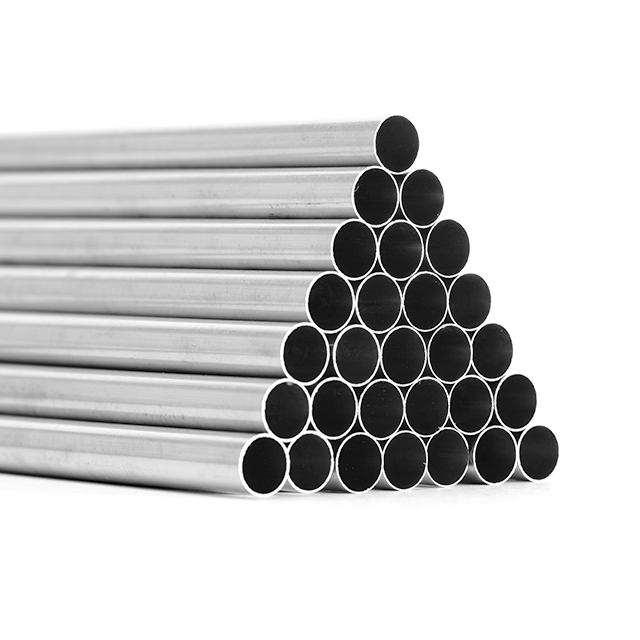
Choosing the optimal welded pipe requires a systematic evaluation of technical requirements, economic factors, and supplier capabilities:
Step 1: Define Operating Parameters
Operating temperature (minimum and maximum)
Design pressure and pressure fluctuations
Media composition (chemical constituents, pH, concentration)
Flow velocity and potential for erosion-corrosion
External environmental conditions
Required service life
Step 2: Preliminary Material Screening Based on the operating parameters, create a shortlist of candidate materials. Consider:
Corrosion resistance to process media
Mechanical properties at operating temperature
Thermal expansion coefficients for system design
Availability and lead times
Regulatory compliance requirements
Step 3: Economic Analysis Compare lifecycle costs rather than merely initial material costs:
Capital expenditure (material cost per unit length)
Installation costs (welding complexity, required qualifications)
Maintenance and inspection frequency
Expected service life and replacement intervals
Energy costs related to pressure drop and insulation
Step 4: Supplier Qualification Evaluate potential welded pipe manufacturers based on:
Manufacturing capabilities and capacity
Quality management systems and certifications
Technical support and engineering services
Delivery reliability and inventory availability
References from similar applications
Step 5: Specification Development Prepare detailed technical specifications including:
Material grade and standard references
Dimensional requirements (OD, wall thickness, length)
Surface finish and cleanliness requirements
Pressure rating or schedule designation
End preparation (plain, beveled, threaded)
Testing and inspection requirements
Marking and identification
Packaging and shipping instructions
Understanding the true cost of welded pipe extends beyond the purchase price. A comprehensive cost-benefit analysis considers:
Initial Costs:
Material cost ($ per linear meter or ton)
Fabrication and welding expenses
Transportation and handling
Inventory carrying costs
Operational Costs:
Energy losses from increased pressure drop (thicker walls reduce flow area)
Insulation requirements (thermal conductivity differences)
Cleaning and maintenance accessibility
Inspection and monitoring requirements
Lifecycle Considerations:
Expected service life before replacement
Corrosion allowance requirements
Failure risk and consequence costs
Downtime costs for maintenance or replacement
Recyclability and disposal costs
Example Comparison:
Consider a 10 km chemical plant piping system transporting corrosive brine:
Option A: 316L stainless steel welded pipe - Initial cost $500,000, expected 8-year life, replacement cost $600,000 (including downtime)
Option B: 2205 duplex steel welded pipe - Initial cost $700,000, expected 20-year life with minimal maintenance
Option C: Grade 2 titanium welded pipe - Initial cost $1,200,000, expected 30+ year life, virtually maintenance-free
Over a 30-year analysis period:
Option A: $500K + ($600K × 2.5 replacements) = $2,000,000 plus significant downtime costs
Option B: $700K + minimal maintenance = $750,000
Option C: $1,200,000 with negligible replacement or maintenance
This analysis demonstrates how higher initial investment in duplex steel welded pipe or titanium welded pipe can deliver substantial lifecycle savings.
When selecting a welded pipe manufacturer, assess their technical capabilities and services to ensure they can meet your project requirements:
Manufacturing Equipment:
Forming mills capable of producing required diameters and wall thicknesses
Welding systems appropriate for specified materials (TIG, plasma, laser)
Heat treatment facilities (solution annealing, stress relieving)
Surface finishing capabilities (pickling, passivation, electropolishing)
Technical Expertise:
Metallurgical knowledge for material selection guidance
Welding procedure qualification and documentation
Finite element analysis for custom applications
Failure analysis and troubleshooting support
Supply Chain Integration:
Raw material sourcing from certified mills
Inventory management for standard sizes
Just-in-time delivery capabilities
Global logistics and export expertise
Leading welded pipe manufacturers offer comprehensive services beyond basic pipe production:
Engineering Support:
Material selection consultation for specific applications
Pressure and temperature rating calculations
Corrosion assessment and prevention recommendations
Alternative material cost-benefit analyses
Custom Fabrication:
Cut-to-length services with precision tolerance
Threading, grooving, and end preparation
Custom bending and forming
Pressure testing and leak detection
Quality Documentation:
Mill test certificates with full traceability
Material safety data sheets (MSDS)
Compliance certificates for international standards
Third-party inspection coordination
Logistics and Packaging:
Protective coating or capping for storage and transport
Bundling and crating appropriate for handling methods
Export documentation and customs support
Consignment stocking arrangements
The welded pipe industry continues to evolve with technological advancements improving quality, efficiency, and material performance:
Advanced Welding Technologies:
Laser beam welding offering deeper penetration and narrower heat-affected zones
Hybrid laser-arc processes combining benefits of both technologies
Automated welding with real-time monitoring and adaptive control
Additive manufacturing for complex geometries and rapid prototyping
Material Developments:
New super duplex grades with enhanced corrosion resistance (PRE > 45)
Lean duplex stainless steels reducing nickel content while maintaining performance
Advanced nickel alloys for extreme temperatures (>1100°C)
Composite pipe structures combining metal with polymer liners
Digital Manufacturing:
Industry 4.0 integration with IoT sensors monitoring production parameters
Artificial intelligence for predictive quality control
Digital twins for process optimization
Blockchain for enhanced supply chain traceability
Modern welded pipe manufacturers increasingly focus on environmental responsibility:
Material Efficiency:
Optimized wall thickness calculations reducing material consumption
High-strength alloys enabling lighter designs
Recyclability of stainless steel, duplex, titanium, and nickel alloys
Energy Conservation:
Reduced pressure drop through optimized surface finishes
Extended service life minimizing replacement frequency
Improved insulation reducing heat loss in thermal systems
Manufacturing Processes:
Energy-efficient welding and heat treatment technologies
Waste reduction and recycling programs
Water treatment and closed-loop cooling systems
Carbon footprint reduction initiatives
Q1: What is the main difference between welded pipe and seamless pipe?
Welded pipe is manufactured by forming flat plate and welding the seam, offering cost advantages and availability in larger diameters. Seamless pipe is produced from solid billets without welds, typically offering higher pressure ratings but at increased cost. For many applications, modern welded pipe manufacturers produce welded pipe with performance comparable to seamless through advanced welding processes and post-weld treatments.
Q2: How do I choose between stainless steel, duplex, titanium, or nickel alloy welded pipe?
Selection depends on your operating conditions. Stainless steel welded pipe suits general corrosion resistance needs. Duplex steel welded pipe provides higher strength and superior chloride resistance. Titanium welded pipe excels in extremely corrosive environments. Nickel alloy welded pipe handles high temperatures and aggressive chemicals. Consult with experienced manufacturers like SSTube for application-specific guidance.
Q3: What quality standards should I specify for welded pipe?
Specify relevant ASTM, EN, or JIS standards appropriate for your material and application. For stainless steel welded pipe, ASTM A312 is common. Duplex uses ASTM A790, titanium follows ASTM B862, and nickel alloys use various B-series standards. Ensure your manufacturer provides full material test reports and certifications.
Q4: Can welded pipe be used for high-pressure applications?
Yes, properly manufactured welded pipe can safely handle high-pressure service. Modern welding processes like SAW produce full-penetration welds meeting or exceeding base material strength. The key is selecting qualified welded pipe manufacturers who follow rigorous testing protocols including hydrostatic testing, ultrasonic examination, and radiographic inspection.


