- Home
- Products
- About Us
- Quality
- Application
- Services & Support
- Blogs
- Contact
Views: 0 Author: Site Editor Publish Time: 2026-01-14 Origin: Site


When selecting a Seamless Pipe or Large Diameter Seamless Pipe for your system, it’s essential to ensure the pipe matches the required pressure, temperature, and fluid type. Industry professionals suggest considering several key factors to make the optimal choice:
Application requirements, including the working environment and fluid properties
Material and grade, such as carbon steel, stainless steel, or alloy steel
Manufacturing process and wall thickness to guarantee strength and safety
Pipe size, length, and connection types for proper installation
Compliance with industry standards to ensure reliability
Cost considerations, covering both material and installation expenses
Surface treatment for enhanced protection
By aligning these features with the demands of your high-pressure environment, you can achieve safe and durable performance with your Seamless Pipe or Large Diameter Seamless Pipe. Always balance technical specifications with your budget to ensure the best possible outcome.
Identify the pressure and temperature requirements of your system to select the right seamless pipe material.
Choose the appropriate material, such as carbon steel, alloy steel, or stainless steel, based on the fluid type and environmental conditions.
Consider wall thickness carefully; thicker walls enhance strength and resistance to bursting in high-pressure applications.
Ensure compliance with industry standards like ASTM and API to guarantee safety and reliability in your piping system.
Evaluate cost versus performance; investing in high-quality seamless pipes can reduce maintenance and replacement costs over time.
You should start by identifying the pressure and temperature conditions your system will face. These two factors play a big role in choosing the right seamless pipe for your project. Different application scenarios require pipes that can handle specific temperature tolerance and pressure levels. For example, steam piping in power plants or chemical factories often needs pipes that can withstand high heat and pressure. The table below shows typical ranges for some common uses:
Application | Temperature (°C) | Material Recommendations |
|---|---|---|
Conventional Steam Piping | ≤ 425 | Carbon Steel (A106) |
Superheated Steam | 425–580 | Cr-Mo Alloy Steel (P11 / P22) |
Supercritical Boilers | > 580 | High Cr Alloy or Austenitic Stainless Steel |
You can see that as the temperature rises, you need stronger materials. Always check the temperature tolerance of the pipe before making a choice.
Next, think about the type of fluid that will flow through the pipe and the environment where you will install it. Some fluids, like acids or chemicals, can cause corrosion. Others, like clean water or oil, may not be as harsh. The table below helps you match the right material to the fluid type:
Fluid Type | Recommended Material | Notes |
|---|---|---|
Corrosive Media | Stainless Steel (e.g., ASTM A312 TP316L) | Good for acid washing systems and chemical plants |
Composite Pipe (carbon steel + alloy) | Cost-effective for high pressure, often used in chemical industries |
You should also consider the environment. Outdoor pipelines may face rain, sun, or even saltwater, which can affect the pipe’s lifespan.
Large diameter seamless pipe is often used in industries like oil and gas, chemical processing, and power generation. For example, you might find these pipes in long-distance gas pipelines, refinery process lines, or power plant steam systems. Each application scenario has its own set of demands, so always match the pipe features to your specific needs.
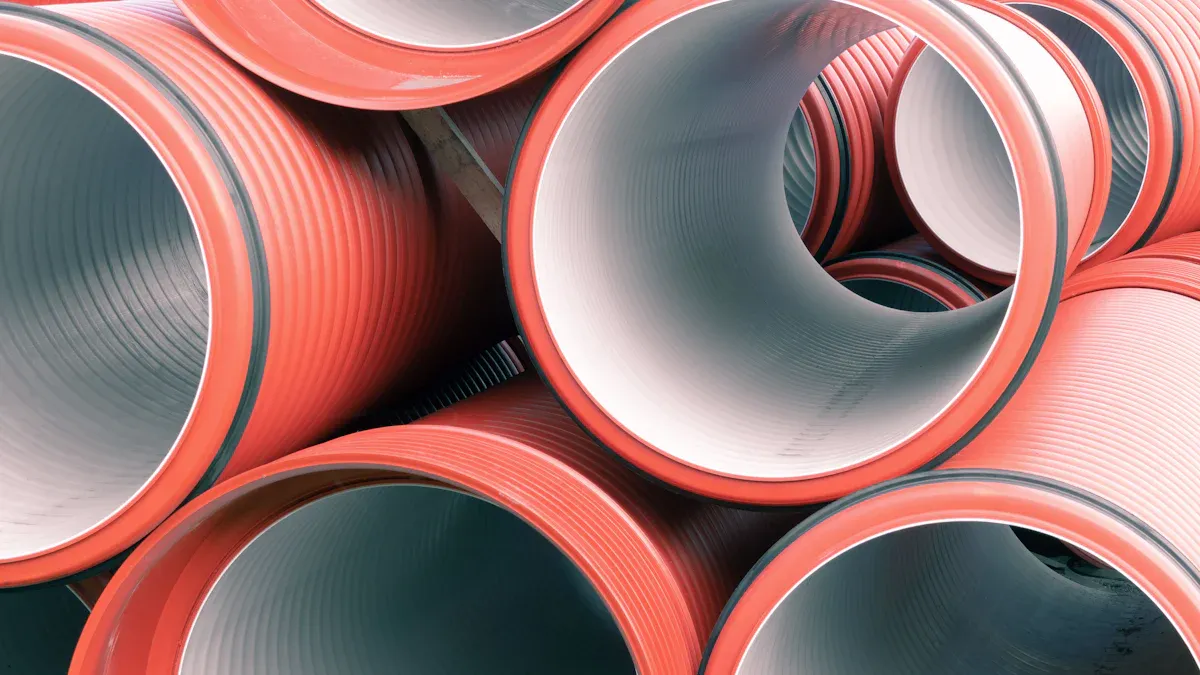
You need to choose the right material for your seamless pipe when working with high-pressure systems. The material you select affects the pipe’s strength, safety, and how long it will last. Most large diameter seamless pipe used in high-pressure applications comes from three main types of steel: carbon steel, alloy steel, and stainless steel.
Carbon steel seamless pipe is a popular choice. It offers strong mechanical properties and works well for transporting water, oil, and natural gas. These pipes help keep your system stable and safe, even over long distances. Seamless carbon steel pipes also resist high temperatures and oxidation, making them a good fit for boilers and other high-pressure equipment.
Alloy steel pipes add elements like chromium or molybdenum to improve strength and heat resistance. You might use these pipes in places where the temperature and pressure are both very high.
Stainless steel pipes stand out for their corrosion resistance. If your system carries chemicals or faces harsh environments, stainless steel can help prevent leaks and damage.
Tip: Always match the pipe material to the fluid and environment in your system. This step helps you avoid problems like corrosion or pipe failure.
After you pick the material, you need to choose the right grade. Each grade has its own mechanical properties, such as yield strength and tensile strength. These properties tell you how much pressure and force the pipe can handle before it bends or breaks.
Here is a table that compares two common grades for seamless carbon steel pipes:
Property | API 5L X52 | ASTM A106 Grade B |
|---|---|---|
Yield Strength (MPa) | 358~530 | Meets standard |
Tensile Strength (MPa) | 455~570 | Meets standard |
Charpy V-notch Impact Energy | ≥40 J at -20℃ | N/A |
Hardness | ≤250 HB (base metal) | N/A |
Fracture Toughness (CTOD) | ≥0.15 mm (-10℃) | N/A |
You can see that API 5L X52 offers high yield and tensile strength. ASTM A106 Grade B also meets strict standards for high-pressure use. When you select a grade, always check the pressure and temperature ratings to make sure the pipe will perform safely in your system.
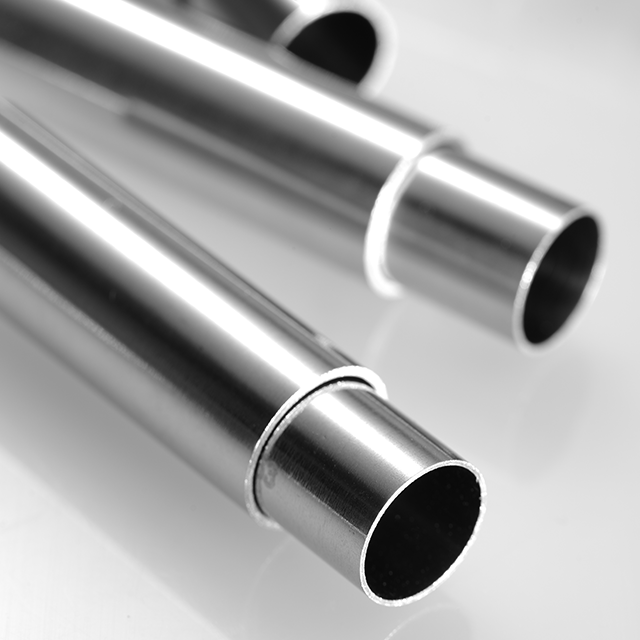
If you want a pipe that combines high strength, corrosion resistance, and quality manufacturing, consider the Stainless Steel Seamless Round Pipe from Huashang Stainless Steel. This pipe uses austenitic stainless steel and advanced production methods to deliver top performance in high-pressure environments. The table below shows some of its key features:
Performance Characteristic | Description |
|---|---|
High Temperature Resistance | Capable of withstanding elevated temperatures. |
High Pressure Resistance | Designed to endure high-pressure conditions. |
Corrosion Resistance | Resistant to various corrosive environments. |
Quality Manufacturing | Ensures uniform wall thickness and defect-free pipes. |
You can rely on seamless carbon steel pipes for many high-pressure jobs, but stainless steel options like Huashang’s pipe give you extra protection against corrosion and extreme conditions. Always review your project’s needs before making a final choice.
When you choose a seamless pipe for high-pressure work, you need to understand how the manufacturing process affects its quality. Two main methods shape these pipes: hot rolling and cold drawing. Each method gives the pipe different features.
Hot-rolled pipes form at high temperatures. This process creates a coarser microstructure and gives the pipe a rougher surface. Hot-rolled pipes usually have larger tolerances, which means the size can vary more. These pipes work well in construction and transportation, where extreme precision is not always needed.
Cold-drawn pipes form at room temperature. This method increases the pipe’s strength and hardness. The process makes the grains inside the metal smaller and packs them tightly. You get a pipe with higher yield and tensile strength. Cold-drawn pipes also have a smoother, brighter surface and tighter size tolerances. These features make them perfect for jobs that need high strength and exact measurements.
Here is a table that compares the two methods:
Property | Hot-Rolled Pipes | Cold-Drawn Pipes |
|---|---|---|
Microstructure | Coarser microstructure | Finer grains, higher dislocation density |
Strength | Lower strength compared to cold-drawn | Higher strength due to work hardening |
Dimensional Tolerances | Larger tolerances | Smaller tolerances |
Surface Quality | Rougher surface, requires finishing | Superior surface finish, smooth and bright |
Applications | Used in construction and transportation | Used in precision applications |
Tip: If your project needs high mechanical strength and a smooth finish, you should consider cold-drawn pipes. These pipes often show a 25-50% increase in yield strength over hot-rolled pipes. They also achieve wall thickness tolerances as tight as ±5%, which helps in high-pressure and precision systems.
Modern seamless pipe manufacturing uses advanced technology. Automation and digital tools help reduce errors and improve quality. Some factories use artificial intelligence to predict defects and make better pipes. These improvements mean you get pipes with strong pressure-bearing capacity and excellent corrosion resistance, especially when you choose stainless steel.
Wall thickness is one of the most important factors for high-pressure applications. You must select a pipe with the right wall thickness to meet your system’s load-bearing requirements. Thicker walls help the pipe resist bursting under extreme pressure. They also make the pipe more stable and able to handle outside forces.
Here are some key points about wall thickness and strength:
Wall thickness directly affects how much pressure the pipe can handle.
Thicker walls give better resistance to bursting.
More thickness means the pipe can resist outside forces and stay stable.
Extra thickness allows for a corrosion allowance, which helps the pipe last longer.
Thicker pipes can handle repeated stress, so they last longer in tough jobs.
Pipes with thick walls are less likely to get damaged from the outside.
Thicker walls spread out stress, which lowers the chance of early failure.
Note: Always check the pressure rating for your large diameter seamless pipe. The right wall thickness ensures the pipe meets your system’s needs and keeps everyone safe.
You should also think about the type of fluid and the environment. For example, pipes in chemical plants or oil refineries face harsh conditions. In these places, you need both strong wall thickness and high mechanical strength. Stainless steel seamless pipes, like those from Huashang Stainless Steel, offer excellent performance in these settings. They combine advanced manufacturing with strict quality checks, so you get a pipe that stands up to pressure and lasts a long time.
When you match the right manufacturing process and wall thickness to your project, you make sure your seamless pipe works safely and efficiently for years.
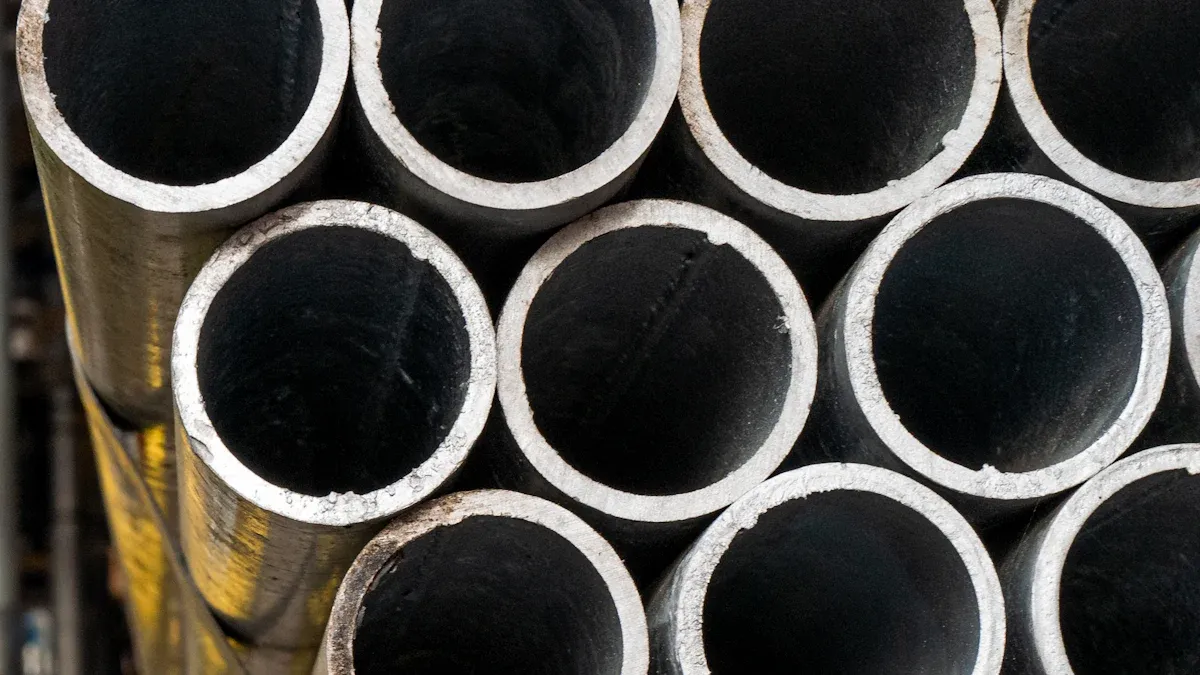
You need to choose the right size and length for your seamless pipe. The size affects how much fluid can flow and how strong the pipe will be. Large diameter seamless pipe comes in many sizes. Most pipes used in high-pressure industries have outer diameters from 6mm to 2500mm and wall thicknesses from 1mm to 150mm. You can order pipes in lengths from 1 meter to 12 meters, or you can ask for custom sizes.
Size Type | Range |
|---|---|
Outer Diameter | 6mm ~ 2500mm |
Wall Thickness | 1mm ~ 150mm |
Length | 1m ~ 12m or customize |
Pipes with an outer diameter above 159mm are considered large diameter. Many projects use pipes between 159mm and 630mm with wall thicknesses from 5mm to 15mm. You should match the pipe size to your system’s needs and installation space.
You must select a connection method that keeps your system safe and easy to maintain. Welded joints offer excellent strength and low risk of leaks. Mechanical joints, like flanged or gasketed connections, are easier to replace but may have higher leak risks. The table below shows how each method performs:
Connection Method | Structural Integrity | Leak Prevention | Corrosion Resistance | Flow Efficiency | Ease of Maintenance |
|---|---|---|---|---|---|
Welded | Excellent | Low risk | High | Optimal | Requires skilled labor |
Mechanical | Moderate | Higher risk | Moderate | Slight obstructions | Easy to replace |
Installing large diameter pipes can be complex. You may need cranes and special equipment. Welded joints work well for permanent installations. Flanged or gasketed joints help when you need to replace parts or perform maintenance. Stainless steel pipes resist corrosion and need less upkeep.
Tip: Regular cleaning and pressure testing help your pipe system last longer and prevent costly failures.
You must make sure your seamless pipe meets international standards. Standards like ASTM, API, and ISO set rules for safety and performance. These rules require testing and certification before you use the pipe. The table below lists some important standards:
Standard | Description |
|---|---|
ASTM A53 | Covers seamless and welded black and hot-dipped galvanized steel pipe for various applications. |
ASTM A106 | Specifically for seamless carbon steel pipe for high-temperature service. |
ASTM A672 | Focuses on electric-fusion-welded steel pipe for high-pressure service at moderate temperatures. |
API 5L | Specification for seamless and welded steel line pipe, including long seam pipes for pipelines. |
API 5CT | Focuses on casing and tubing for oil and gas wells, including long seam welded options. |
ISO 3183 | Similar to API 5L but with some differences in requirements. |
EN 10208 | A European standard for steel pipes for pipelines for combustible fluids. |
CSA Z245.1 | A Canadian standard for steel line pipe. |
Meeting these standards keeps your system safe and reliable. You should always check for proper installation and regular inspection. This helps prevent failures and protects people and the environment.
Note: All stakeholders, including manufacturers and operators, focus on safety first. Following standards is the best way to protect your investment and ensure long-term performance.
You need to think about both the price and the value you get from your seamless pipe. Large diameter seamless pipe costs more than smaller welded pipes, but it gives you better strength and fewer weak spots. The table below shows how prices compare:
Pipe Type | Cost Range (per foot) |
|---|---|
Large Diameter Seamless Pipes | $10 to $50 or higher |
Small Diameter Welded Pipes | $0.5 to $10 |
Seamless pipes are usually 25–40% more expensive per ton than ERW pipes. This higher price comes from the advanced manufacturing process and the quality of the materials. You pay more at first, but you get a pipe that is stronger and less likely to fail. When you look at the total cost, remember to include maintenance and replacement. Higher-grade materials cost more, but they can last longer and need fewer repairs. This helps you achieve a good cost-performance balance over the life of your project.
You should always protect your pipe from rust and damage, especially in harsh environments. Surface treatments help improve corrosion resistance and extend the life of your pipe. Here are some common options:
Coating Type | Advantages | Disadvantages |
|---|---|---|
Epoxy Powder and Polyolefin | Excellent corrosion resistance, water resistance, abrasion resistance, impact resistance, good chemical media resistance, smooth surface, low environmental pollution | Complicated coating process, higher cost, bonding issues with fillers |
Double-layer Epoxy Powder | Improved waterproofing, better mechanical properties, high impact resistance, good for large diameters | Higher cost, limited use in some regions |
Coal Tar Enamel | Good chemical stability, strong corrosion resistance, low water absorption, anti-aging | Can be damaged by soil stress, not for extreme temperatures |
Coatings like epoxy or galvanizing can make your pipe last much longer. The zinc layer in galvanizing acts as a shield, even if the surface gets scratched. This means you spend less on repairs and painting. For very tough jobs, you might use polyurethane or glass fiber linings. Always match the coating to your environment.
Huashang Stainless Steel uses strict quality checks for every seamless pipe. These checks include tests for strength, surface quality, and corrosion resistance. You can trust that each pipe meets high standards before it leaves the factory.
Tip: Choosing the right surface treatment protects your investment and keeps your system running safely for years.
You should follow a clear process when choosing large diameter seamless pipe for high-pressure systems. Avoid mistakes like using the wrong grade or ignoring sizing. These errors can cause leaks, corrosion, or system failures. Always match pipe specifications to your needs and industry standards. Expert advice from manufacturers like Huashang Stainless Steel helps you make better choices:
Benefit | Description |
|---|---|
Material Selection Guidance | Choosing the right alloy for your environment |
Dimensional Optimization | Balancing performance and cost-effectiveness |
Application Engineering | Custom solutions for unique challenges |
A careful, informed approach keeps your system safe and reliable for years.
You see a large diameter seamless pipe as a hollow tube with no welded seams. Manufacturers create it using hot rolling or cold drawing. These pipes often have diameters above 159mm and work well in high-pressure systems.
You match the material to your fluid and environment. Stainless steel resists corrosion. Carbon steel works for oil and gas. Alloy steel handles high temperatures. Always check your system’s needs before you decide.
Wall thickness helps your pipe resist bursting. Thicker walls give more strength and stability. You should always check the pressure rating and choose a thickness that meets your system’s requirements.
You look for standards like ASTM, API, or ISO. These standards ensure your pipe is safe and reliable. Always ask your supplier for certification before you buy.
You use surface treatments like epoxy coating or galvanizing. These methods shield your pipe from rust and chemical damage. Stainless steel pipes from Huashang offer strong corrosion resistance for tough environments.