- Home
- Products
- About Us
- Quality
- Application
- Services & Support
- Blogs
- Contact
Views: 0 Author: Site Editor Publish Time: 2025-12-10 Origin: Site


Corrosion can silently ruin stainless steel seamless pipe, causing costly failures. How can industries protect these vital components?Seamless pipes are crucial in many sectors, but corrosion threatens their strength and longevity. Preventing corrosion ensures reliable performance.In this post, you’ll learn about corrosion causes and prevention. We’ll explore duplex steel seamless pipe, nickel alloy steel seamless pipe, and super stainless steel seamless pipe.
Stainless steel seamless pipes face corrosion risks from their environment. High humidity, temperature changes, and exposure to chemicals can speed up corrosion. Coastal areas pose a big threat due to salt in the air, which contains chlorides. Chlorides break down the protective layer on stainless steel, causing pitting and crevice corrosion. Industrial environments with acidic or alkaline substances also raise corrosion chances. Even moisture alone, combined with dust or dirt, can trigger rust spots.
Chemical attack happens when pipes contact acids, bases, or salts. These chemicals dissolve the metal surface, leading to corrosion. Electrochemical corrosion occurs when there's an electrical potential difference between the pipe and its surroundings. This difference causes metal ions to move, creating rust. For example, when stainless steel touches carbon steel, galvanic corrosion can occur, where the less noble metal corrodes faster. Oxygen presence in water or air also drives electrochemical reactions, worsening corrosion.
Microbiologically Influenced Corrosion (MIC) arises from bacteria and fungi growing on pipe surfaces. These microbes produce acids that attack the metal, weakening the pipe. MIC is common in water and sewage systems where moisture and nutrients allow microbes to thrive.
Stress Corrosion Cracking (SCC) happens when pipes face both tensile stress and corrosive environments. Cracks form and grow silently, risking sudden pipe failure. SCC is tricky because affected areas may look fine externally but have microscopic cracks inside. Chlorides and high temperatures often trigger SCC in stainless steel.
Mechanical damage like scratches, dents, or cracks breaks the stainless steel's passive protective layer. Once this layer is damaged, the exposed metal becomes vulnerable to corrosion. Handling pipes roughly during transport or installation often causes such damage. Embedded dirt or grit can worsen this by trapping moisture and chemicals against the metal. Even small scratches can start corrosion pits that grow over time, leading to leaks or pipe failure.
Tip: Always inspect seamless pipes for surface damage before installation and handle them carefully to maintain their corrosion-resistant protective layer.
Selecting the correct stainless steel grade is key to preventing corrosion in seamless pipes. Different environments demand different grades because corrosion resistance varies widely. For example:
304 Stainless Steel suits mild environments but struggles in chloride-rich settings.
316 Stainless Steel contains molybdenum, boosting resistance to chlorides and acids, ideal for coastal or chemical industries.
Duplex Stainless Steel combines strength and corrosion resistance, working well in aggressive environments.
Nickel Alloys offer superior corrosion resistance, especially against acids and high temperatures.
Choosing a grade that matches the environment’s chemical makeup, temperature, and pressure conditions ensures longer pipe life and fewer failures.
Duplex stainless steel offers a balanced microstructure of austenite and ferrite, delivering:
High resistance to pitting and crevice corrosion.
Excellent strength, allowing thinner walls and lighter pipes.
Better resistance to stress corrosion cracking (SCC).
This makes duplex pipes perfect for oil and gas, seawater, and chemical plants.
Nickel alloy seamless pipes excel in extreme environments:
Resist strong acids like sulfuric and hydrochloric acid.
Maintain integrity at high temperatures.
Resist oxidation and corrosion in harsh chemical processes.
They are often used in chemical processing, power generation, and aerospace industries.
Super stainless steels, such as super duplex and superaustenitic grades, provide enhanced corrosion resistance through higher alloy content, including chromium, molybdenum, and nitrogen. Benefits include:
Superior pitting and crevice corrosion resistance.
Resistance to chloride stress corrosion cracking.
Better mechanical properties at elevated temperatures.
These pipes are ideal for extremely aggressive environments like offshore oil rigs, desalination plants, and chemical reactors.
Impurities such as sulfur, phosphorus, and carbon can weaken the protective oxide layer on stainless steel, making it vulnerable to corrosion. Using low-impurity steel improves corrosion resistance by:
Reducing sites where corrosion can initiate.
Enhancing the stability of the passive film.
Improving weldability and reducing sensitization risk.
Manufacturers often specify low-impurity grades for critical applications to maximize pipe durability and performance.
Tip: Always match stainless steel grades to the specific environment and chemical exposure to maximize corrosion resistance and pipe lifespan.
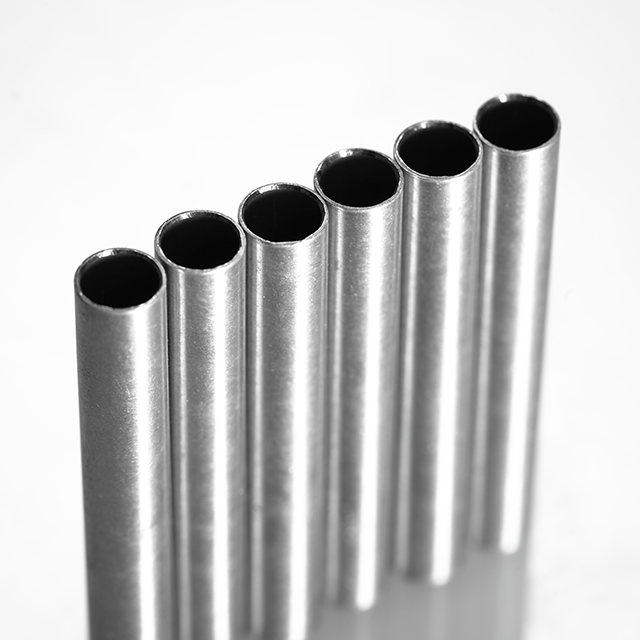
Protective coatings act as a shield between stainless steel seamless pipes and corrosive environments. Choosing the right coating depends on the pipe’s service conditions.
The effectiveness of coatings depends heavily on how they’re applied and cured:
Surface treatments improve the stainless steel’s natural corrosion resistance:
Cross-contamination occurs when stainless steel contacts carbon steel or other metals, causing rust spots called tea staining. To prevent this:
Maintaining surface integrity is critical. Handle pipes carefully to avoid scratches or dents that damage the passive layer. Even minor surface damage can initiate corrosion.
Tip: Always ensure pipes are cleaned, coated, and cured under controlled conditions to maximize coating performance and extend seamless pipe lifespan.
Cathodic protection (CP) is a powerful technique to prevent corrosion in stainless steel seamless pipes. It works by making the pipe surface the cathode of an electrochemical cell, stopping the metal from losing electrons and corroding.
There are two main CP types:
Both methods reduce the electrochemical reactions that cause corrosion, extending pipe life significantly.
Corrosion inhibitors are chemicals added to the fluid inside pipes to slow or stop corrosion. They form a thin protective film on the pipe’s inner surface, blocking corrosive agents.
Types include:
Choosing the right inhibitor depends on the fluid chemistry, temperature, and pipe material. Testing and monitoring are essential to ensure effectiveness.
Cathodic protection works best when combined with other corrosion control strategies:
Together, these methods create a robust defense against corrosion, improving pipe reliability.
Effective CP requires ongoing monitoring and maintenance:
Regular maintenance prevents CP system failure, which could lead to rapid corrosion.
Tip: Combine cathodic protection with coatings and corrosion inhibitors, then monitor regularly to ensure seamless pipes stay corrosion-free and reliable.
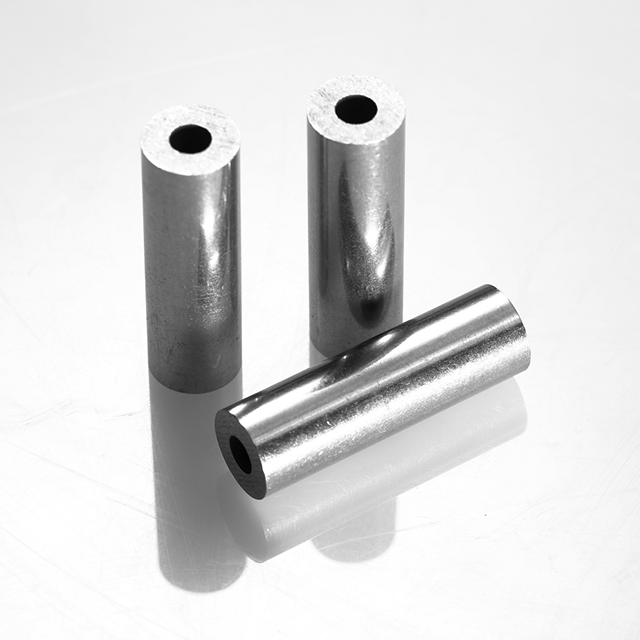
Stainless steel seamless pipes must be stored and handled carefully to keep their corrosion resistance intact. Always store pipes indoors or under a covered area. If stored outside, use waterproof tarps that allow air circulation to prevent condensation buildup. Keep pipes elevated on wooden or plastic supports to avoid ground moisture.
Avoid contact between stainless steel pipes and carbon steel or rusty materials. Cross-contamination leads to rust spots called tea staining. Use dedicated tools and equipment only for stainless steel to prevent iron particle transfer.
Handle pipes gently to protect the passive layer. Use soft slings, padded clamps, and clean gloves. Avoid dragging pipes on rough surfaces, which can cause scratches or dents. Even minor damage exposes the metal beneath and invites corrosion.
During installation, follow these tips to reduce corrosion risks:
Clean pipe surfaces with non-chloride detergents before assembly.
Avoid using tools that cause sparks or metal debris.
Apply passivation treatments after welding or grinding to restore the protective oxide layer.
Use gaskets and seals compatible with stainless steel to prevent chemical attack.
Ensure proper alignment to avoid stress concentrations that can trigger stress corrosion cracking.
Routine cleaning removes contaminants like dirt, salts, and deposits that promote corrosion. Use mild soap and water or stainless steel-specific cleaners. Rinse thoroughly and dry pipes to prevent water spots.
Avoid harsh chemicals such as bleach or ammonia—they damage the passive film. Clean in the direction of the grain to prevent surface scratches.
Regularly inspect pipes for discoloration, rust spots, or surface damage. Use visual checks and, if possible, non-destructive testing methods to detect hidden cracks or pits. Early detection allows for timely maintenance and prevents costly failures.
Chlorides from saltwater, de-icing salts, or industrial chemicals are major corrosion culprits. To manage chloride exposure:
Rinse pipes periodically with fresh water to wash off salts.
For high-chloride environments, consider upgrading to 316 or duplex stainless steel grades.
Avoid using cleaning agents containing chlorine or bleach.
Humidity accelerates corrosion by keeping moisture on pipe surfaces. Control humidity by:
Ensuring good ventilation around pipe installations.
Using dehumidifiers in enclosed or humid spaces.
Keeping pipes dry during storage and after cleaning.
Pitting and crevice corrosion are common enemies in chloride-rich environments, like coastal areas or chemical plants. These types attack small, localized spots, causing deep holes or corrosion inside narrow gaps.
Pitting corrosion starts when chlorides break down the passive oxide layer on stainless steel. Once the layer is compromised, small pits form and grow quickly.
Crevice corrosion happens in tight spaces where oxygen can't reach, such as under gaskets, washers, or deposits. The lack of oxygen prevents the protective layer from reforming.
Prevention tips:
Use stainless steel grades with high resistance to chlorides, such as 316L, duplex, or superaustenitic stainless steels.
Design equipment to minimize crevices. Avoid tight gaps or ensure they are easily cleaned.
Maintain proper flow rates to prevent stagnant areas where chlorides can concentrate.
Clean pipes regularly to remove deposits and marine growth.
Apply protective coatings or passivation treatments to strengthen the oxide layer.
Gap corrosion is a form of crevice corrosion occurring between pipe components or deposits. Gaps trap corrosive agents, acidify the environment, and reduce oxygen, accelerating corrosion.
Effective strategies:
Design to eliminate or reduce gaps between tubes, flanges, bolts, and washers.
Use high-alloy stainless steels rich in chromium, molybdenum, and nitrogen to resist crevice attack.
Keep flow velocity above 1.5 m/s in seawater or similar fluids to prevent deposit buildup.
Schedule regular cleaning to remove dirt, marine organisms, or other deposits.
Inspect joints and fittings frequently to detect early signs of corrosion.
Flow-Accelerated Corrosion occurs when fast-moving fluids erode the protective oxide layer on pipes, thinning the metal. Deposits like scale or sludge can worsen corrosion by creating differential oxygen zones.
Control measures:
Monitor and control flow velocity to avoid turbulent flow that strips protective layers.
Use corrosion-resistant materials or coatings in high-velocity zones.
Implement water chemistry control to reduce corrosive agents.
Remove deposits regularly through cleaning or pigging to prevent localized corrosion.
Employ corrosion inhibitors suited to the fluid type and operating conditions.
Stress Corrosion Cracking (SCC) combines tensile stress and corrosive environments to cause cracks that grow silently until failure.
Detection methods:
Visual inspections for surface cracks or discoloration.
Non-destructive testing like ultrasonic testing, dye penetrant, or magnetic particle inspection.
Monitoring pipe strain and stress levels.
Prevention techniques:
Select stainless steel grades less prone to SCC, such as duplex or superaustenitic steels.
Reduce residual and operational stresses through proper welding and heat treatment.
Control environmental factors like temperature and chloride concentration.
Apply protective coatings and maintain passivation layers.
Use cathodic protection where applicable.
Tip: Regularly inspect and clean pipe crevices, maintain proper flow, and select high-alloy stainless steels to effectively combat localized corrosion types in stainless steel seamless pipes.
Preventing corrosion in stainless steel seamless pipes requires careful material selection, protective coatings, and proper handling. Regular inspection and maintenance also play vital roles in extending pipe life. Choosing a reliable manufacturer ensures high-quality pipes with superior corrosion resistance. Future technologies will further enhance durability and performance. Industry professionals should prioritize comprehensive corrosion control strategies to maximize safety and efficiency. HUASHANG STEEL offers premium seamless pipes designed for longevity and resistance, providing exceptional value and reliability for demanding applications.
A: Super Stainless Steel Seamless Pipe provides superior corrosion resistance, especially against chlorides and stress corrosion cracking, suitable for offshore and chemical plants.
A: Proper handling, cleaning, passivation after welding, and avoiding mechanical damage help maintain the pipe’s protective layer and prevent corrosion.
A: Cathodic protection prevents electrochemical corrosion by making the pipe the cathode, using sacrificial anodes or impressed current systems to extend pipe life.
A: Corrosion inhibitors form protective films inside pipes, reducing metal dissolution and preventing corrosion in various industrial fluids.
A: Pitting corrosion is mainly caused by chlorides breaking down the passive oxide layer, creating localized corrosion spots.
A: By careful handling, using padded equipment, and inspecting pipes for scratches or dents before installation to preserve corrosion resistance.