
- Home
- Products
- About Us
- Quality
- Application
- Services & Support
- Blogs
- Contact
Views: 0 Author: Site Editor Publish Time: 2025-12-12 Origin: Site


Did you know seamless pipes are essential in oil and gas? Their strength and durability outperform welded pipes.Seamless pipe, especially stainless steel seamless pipe, ensures safety in harsh environments. Choosing the right pipe prevents leaks and failures.In this post, you’ll learn about stainless steel, duplex steel, nickel alloy steel, and super stainless steel seamless pipes. Discover why seamless pipes are vital for oil and gas.
Seamless pipes play a vital role in the oil and gas industry due to their strength and reliability. Their manufacturing involves unique processes that ensure no weld seams, resulting in superior performance under pressure and harsh environments.
The hot working process starts with a solid steel billet heated to about 1200°C (2200°F). This billet becomes red-hot and soft, making it easier to shape. A piercing tool then drills through the center, creating a hollow tube. This tube passes through a plug mill where a mandrel is inserted inside to control the inner diameter and wall thickness. Rolling reduces the wall thickness while stretching the pipe lengthwise. After this, the pipe moves through sizing stands to achieve precise dimensions. Finally, it cools, straightens, cuts to length, and undergoes testing before shipment.
Cold drawing and cold rolling are finishing steps applied to seamless pipes to improve dimensional accuracy and surface finish. In cold drawing, the pipe is pulled through a die, reducing diameter and wall thickness while increasing strength. Cold rolling uses rollers to compress and shape the pipe at room temperature, enhancing surface smoothness and mechanical properties. These methods are ideal for smaller diameter pipes requiring tight tolerances and better finishes.
Unlike seamless pipes, ERW (Electric Resistance Welded) and LSAW (Longitudinal Submerged Arc Welded) pipes involve welding seams. ERW pipes are formed by cold shaping steel coils and welding the seam along the length using electric resistance. LSAW pipes start as steel plates bent into shape and welded along the seam using submerged arc welding. While ERW and LSAW pipes are cost-effective and available in longer lengths, they have potential weak points at the welds. Seamless pipes, with no weld seam, offer higher strength and corrosion resistance, making them preferable for critical oil and gas applications.
Quality control is crucial in seamless pipe production. Pipes undergo various tests such as hydrostatic testing to check pressure resistance, ultrasonic testing to detect internal flaws, and dimensional inspections to ensure size accuracy. Chemical composition analysis verifies material grade compliance. These tests ensure pipes meet industry standards and perform reliably in demanding oil and gas environments.
Note: Seamless pipes’ lack of weld seams significantly reduces failure risks, making rigorous quality testing essential to guarantee safety in oil and gas operations.
Stainless steel seamless pipes excel in resisting corrosion, which is crucial in oil and gas operations. These pipes contain chromium that forms a thin, protective oxide layer on the surface. This layer prevents rust and corrosion caused by exposure to seawater, sour gas, and other aggressive substances. Unlike welded pipes, seamless pipes lack seams that could become weak spots for corrosion, making them more reliable in harsh environments.
The seamless design means these pipes have uniform strength throughout. They withstand high pressures encountered in deep wells, offshore platforms, and high-pressure pipelines. Their durability reduces the risk of cracks and leaks, ensuring safety and operational continuity. Stainless steel’s alloy composition adds toughness, allowing pipes to handle mechanical stresses from drilling and transport.
Oil and gas processes often involve elevated temperatures. Stainless steel seamless pipes maintain their strength and resist deformation even under extreme heat. They also resist stress corrosion cracking, a common issue when pipes face both tensile stress and corrosive environments. This resistance extends service life, especially in sour gas or high-CO2 conditions where other materials might fail.
Thanks to their corrosion and heat resistance, stainless steel seamless pipes require less maintenance than carbon steel alternatives. Their smooth, uniform surface discourages buildup and fouling, reducing cleaning needs. This lowers downtime and maintenance costs over the pipeline’s lifespan. Operators benefit from fewer inspections and repairs, enhancing overall project economics.
Though initial costs for stainless steel seamless pipes may be higher, their long-term advantages offer excellent value. Reduced maintenance, longer replacement intervals, and fewer failures translate into lower total ownership costs. For critical oil and gas infrastructure, investing in stainless steel seamless pipes helps avoid costly shutdowns and environmental risks caused by leaks or ruptures.
Duplex steel seamless pipes combine the best features of austenitic and ferritic stainless steels. This hybrid structure offers many benefits, making them excellent for oil and gas applications.
Duplex steels have nearly twice the strength of austenitic stainless steels. This means pipes made from duplex steel can handle higher pressures and mechanical stresses while using thinner walls. The increased toughness also helps resist cracking under sudden impact or heavy loads. This strength advantage allows engineers to design lighter, more cost-efficient piping systems without sacrificing safety.
One of the biggest challenges in oil and gas is chloride stress corrosion cracking (CSCC), especially in marine or sour environments. Duplex stainless steels excel here due to their balanced microstructure. They resist cracking caused by chloride ions and tensile stresses better than many other stainless steel grades. This resistance extends the lifespan of pipes in harsh offshore or subsea conditions, reducing maintenance and replacement costs.
Because duplex steel is stronger, pipes can have thinner walls while maintaining pressure ratings. Thinner walls reduce pipe weight, making handling and installation easier and less expensive. Lower weight also means less structural support needed for pipelines and equipment. Over long distances, this can significantly cut material and transportation costs.
Duplex stainless steel seamless pipes are widely used in sour gas fields, offshore platforms, and subsea pipelines. Their corrosion resistance, strength, and toughness make them ideal for environments with hydrogen sulfide (H2S), chlorides, and seawater exposure. They also perform well in temperature ranges from cryogenic lows to moderate highs, covering many oil and gas operational conditions.
Compared to austenitic grades like 304 or 316, duplex steels offer superior strength and CSCC resistance. While super austenitic and super duplex grades provide even higher corrosion resistance, they come at increased cost. Duplex steel strikes a balance between performance and price, making it a preferred choice for many demanding oil and gas projects. It also outperforms ferritic and martensitic stainless steels in toughness and weldability.
Tip: When designing pipelines for offshore or sour gas applications, consider duplex steel seamless pipes to benefit from higher strength, reduced weight, and excellent resistance to chloride stress corrosion cracking.
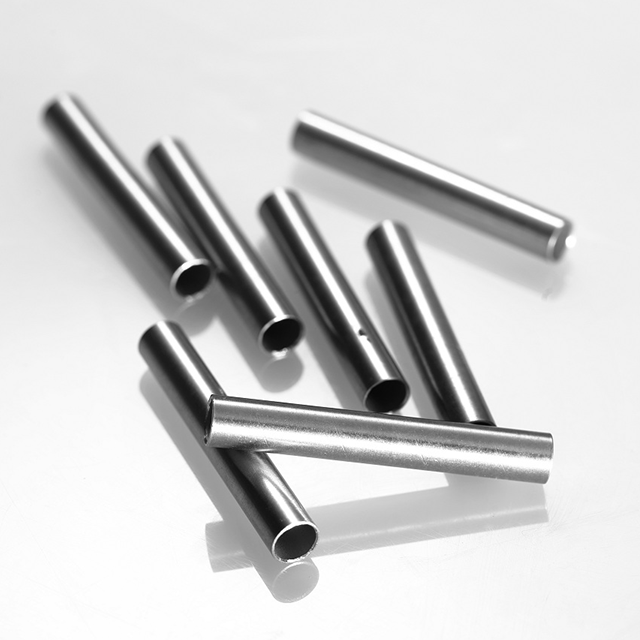
Nickel alloy steel seamless pipes are crucial in oil and gas, especially when conditions get tough. They handle extreme environments where other materials might fail.
Nickel alloys excel in sour gas conditions, where hydrogen sulfide (H2S) can cause severe corrosion. Their chemical makeup resists pitting, crevice corrosion, and stress corrosion cracking. This makes them ideal for pipelines, flowlines, and equipment exposed to sour gas, ensuring safety and longevity.
Refineries often deal with high temperatures and acidic chemicals. Nickel alloy pipes maintain strength and corrosion resistance under these conditions. They are used in heat exchangers, reactors, and acid handling lines. Their stability prevents leaks and failures, supporting continuous, safe operations.
Downhole tools and safety valves require materials that withstand mechanical stress and corrosive fluids deep underground. Nickel alloys offer superior toughness and corrosion resistance, making them a top choice. Subsea equipment also benefits from these pipes, enduring high pressure, saltwater, and temperature swings.
Nickel alloy pipes cost more upfront than stainless or carbon steel. However, their durability in harsh conditions reduces maintenance and replacement costs. Choose nickel alloys when operating in sour gas, high temperatures, or highly acidic environments where failures would be costly or dangerous.
Monel 400 and K-500: Great for seawater and sour gas, offering strength and corrosion resistance.
Inconel 625 and 718: High strength and oxidation resistance at elevated temperatures.
Hastelloy C-276: Excellent for handling aggressive acids and oxidizers.
Alloy 825: Balances corrosion resistance and strength for sour gas and refinery applications.
In the oil and gas industry, selecting the right seamless pipe means understanding key specifications and standards. These ensure pipes meet safety, performance, and regulatory requirements.
Seamless pipes follow strict standards to guarantee quality and uniformity. The American Society for Testing and Materials (ASTM) and the American Society of Mechanical Engineers (ASME) provide widely recognized standards:
ASTM A106/A53: Covers seamless carbon steel pipes for high-temperature service.
ASTM A312: Applies to stainless steel seamless pipes for corrosion resistance.
ASTM A335: Specifies alloy steel pipes for high-temperature environments.
ASME B36.10M: Standardizes dimensions for welded and seamless carbon steel pipes.
ASME B36.19M: Covers stainless steel pipe dimensions.
These standards include requirements for chemical composition, mechanical properties, manufacturing processes, and testing protocols. Following them ensures pipes perform reliably in demanding oil and gas environments.
Pipe size uses the Nominal Pipe Size (NPS) system, which is a dimensionless number roughly related to the pipe's inside diameter (ID). For example:
NPS 2 pipe has an approximate ID of 2.067 inches.
For NPS 14 and above, NPS corresponds closely to the outside diameter (OD).
Wall thickness is indicated by the pipe schedule (Sch), which affects pressure rating and weight. Common schedules include:
| Schedule | Description | Wall Thickness Example (NPS 6) |
|---|---|---|
| Sch 40 | Standard thickness | 0.280 inches |
| Sch 80 | Extra strong | 0.432 inches |
| Sch 160 | Double extra strong | 0.688 inches |
Higher schedule numbers mean thicker walls, which handle higher pressures but weigh more. The OD stays constant across schedules, so the ID decreases as wall thickness increases.
Material grade selection depends on the operating environment, including pressure, temperature, and corrosivity. Common grades include:
Carbon Steel (A106 Grade B): Suitable for moderate temperature and pressure.
Alloy Steel (A335 P11, P22): For higher temperature and corrosive conditions.
Stainless Steel (A312 304, 316, 2205 Duplex): Offers corrosion resistance in seawater and sour gas.
Nickel Alloys (B444 Inconel, Monel): For extreme corrosion and heat resistance.
Choosing the right grade reduces risk of failure and maintenance costs.
Seamless pipes come with various end finishes depending on installation needs:
Plain End (PE): Straight cut, used for welding or mechanical joints.
Beveled End (BE): Angled cut for welding, ensures full penetration.
Threaded End (TE): Male or female threads for screwed connections.
Threaded and Coupled (T&C): One end threaded with coupling for quick assembly.
Grooved End: For mechanical couplings allowing flexibility.
Pipe lengths usually come as:
Single Random Lengths (SRL): Typically 16-24 feet, economical.
Double Random Lengths (DRL): 32-48 feet, fewer joints needed.
Cut to Length: Custom sizes for specific projects.
Longer pipes reduce joints but may increase handling complexity.
Oil and gas projects require rigorous testing and certification to verify pipe quality:
Mill Test Reports (MTRs): Confirm chemical and mechanical properties.
Hydrostatic Testing: Checks pressure resistance.
Ultrasonic and Radiographic Testing: Detect internal and weld flaws.
Positive Material Identification (PMI): Ensures correct alloy composition.
Dimensional Inspection: Verifies size and tolerance compliance.
Certified pipes meet industry codes and guarantee safety and performance.
Tip: Always specify relevant ASTM/ASME standards, pipe size, schedule, material grade, end finish, and testing requirements clearly when ordering seamless pipes to avoid delays and ensure project success.
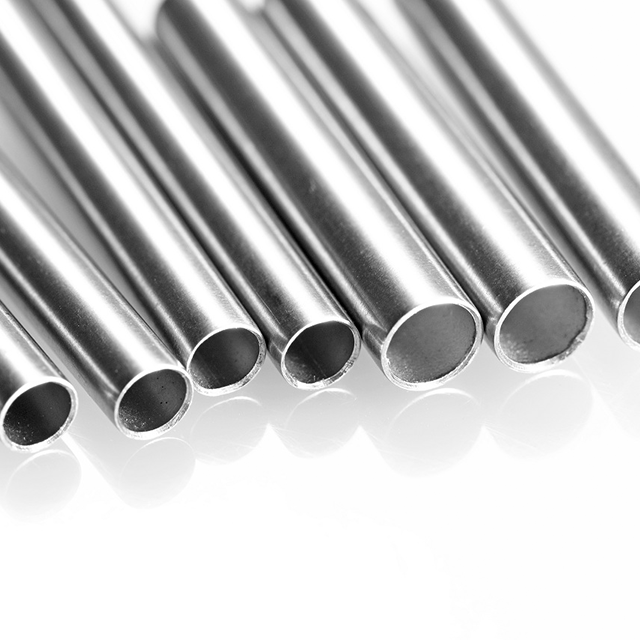
Selecting the right manufacturer for seamless pipes is crucial for oil and gas projects. The pipes must meet strict quality, safety, and performance standards to ensure reliable operation in demanding environments. Here are key factors to consider when choosing a seamless pipe manufacturer:
Experience and Industry Reputation: Choose manufacturers with a proven track record in supplying seamless pipes specifically for oil and gas applications. Their experience ensures they understand industry challenges and requirements.
Product Range and Material Expertise: The manufacturer should offer a wide range of seamless pipes, including stainless steel, duplex steel, and nickel alloy grades. This variety allows you to select the optimal material for your project’s specific conditions.
Manufacturing Capabilities: Look for advanced production facilities capable of hot working, cold drawing, and rolling processes. These capabilities ensure pipes meet dimensional accuracy and mechanical property standards.
Compliance with Standards: The manufacturer must produce pipes that conform to relevant ASTM, ASME, and API standards, guaranteeing quality and safety compliance.
Customization and Flexibility: Ability to provide customized pipe dimensions, wall thicknesses, and end finishes to suit project specifications is essential.
Quality assurance is non-negotiable in oil and gas projects. Reliable manufacturers implement rigorous testing protocols, including:
Hydrostatic pressure testing
Ultrasonic and radiographic inspections
Chemical composition verification via PMI
Dimensional and visual inspections
They provide comprehensive certifications like Mill Test Reports (MTRs) and third-party inspection certificates. These documents validate pipe quality and traceability, essential for regulatory compliance and project audits.
Manufacturers should demonstrate expertise in producing seamless pipes from diverse alloys:
Stainless Steel Pipes: Skilled in fabricating austenitic and martensitic grades for corrosion resistance and strength.
Duplex Steel Pipes: Expertise in duplex and super duplex grades, offering high strength and chloride stress corrosion cracking resistance.
Nickel Alloy Pipes: Ability to handle complex nickel alloy compositions for extreme sour gas and high-temperature environments.
This breadth ensures you get pipes tailored to your operational needs.
A good manufacturer provides technical support throughout the project lifecycle. This includes:
Material selection advice based on environmental conditions
Assistance with standards and specifications
Guidance on pipe handling, installation, and maintenance
Responsive customer service reduces risks and streamlines project execution.
Oil and gas projects often require timely delivery of large pipe quantities. Manufacturers with global sourcing networks can offer:
Access to raw materials from multiple suppliers
Efficient logistics and shipping options
Flexibility to meet tight deadlines and varying order sizes
Robust supply chains help avoid project delays and cost overruns.
Tip: Always verify a seamless pipe manufacturer’s certifications, testing capabilities, and material expertise before placing large orders to ensure your oil and gas project’s safety and success.
Super stainless steel seamless pipes are gaining traction due to their enhanced corrosion resistance and mechanical properties. These pipes feature higher alloying elements like molybdenum, nitrogen, and chromium, which boost performance in highly aggressive environments. Innovations in metallurgy and heat treatment processes allow manufacturers to produce pipes with finer grain structures, improving toughness and fatigue resistance. This advancement enables seamless pipes to endure longer service life in deepwater, sour gas, and ultra-high-pressure applications.
New alloy formulations and surface coatings are transforming seamless pipes’ durability. Researchers focus on developing alloys that resist pitting, crevice corrosion, and stress corrosion cracking better than traditional grades. For example, super duplex and superaustenitic stainless steels are being optimized to handle even harsher chloride-rich and sour environments. Additionally, advanced coatings such as ceramic and polymer-based layers are applied to seamless pipes, providing an extra barrier against corrosion, abrasion, and chemical attack. These coatings extend operational life and reduce maintenance costs.
Sustainability has become a priority in steel pipe manufacturing. Producers are adopting eco-friendly methods like using recycled scrap metal, reducing energy consumption, and minimizing waste during production. Processes such as electric arc furnace (EAF) steelmaking lower carbon emissions compared to traditional blast furnaces. Manufacturers also implement water recycling and waste heat recovery systems. These green initiatives align with the oil and gas industry’s goals to reduce environmental impact and promote responsible resource use.
Smart technology integration is revolutionizing pipeline monitoring and maintenance. Embedded sensors within seamless pipes can track parameters like pressure, temperature, corrosion rate, and mechanical strain in real time. These smart pipes communicate data to control centers, enabling predictive maintenance and early fault detection. This reduces unplanned downtime and enhances safety by preventing leaks or ruptures. The use of IoT (Internet of Things) and AI-driven analytics improves decision-making and asset management throughout the pipeline’s lifecycle.
Stricter industry regulations and standards drive innovation in seamless pipe manufacturing. Regulatory bodies demand higher safety margins, traceability, and environmental compliance. This pushes manufacturers to improve quality control, testing methods, and material certifications. Compliance with international standards such as API 5L, ASTM, and ISO ensures pipes meet evolving operational and environmental requirements. Regulations also encourage the adoption of advanced materials and technologies that enhance pipeline integrity and reduce risks associated with corrosion, pressure, and temperature extremes.
Tip: Embrace seamless pipes featuring advanced alloys, smart monitoring, and eco-friendly production to future-proof oil and gas infrastructure against evolving operational challenges.
Seamless pipes offer superior corrosion resistance, strength, and durability for oil and gas applications. Choosing the right material ensures operational safety and reduces failure risks. Stainless steel seamless pipes provide long-term cost savings through low maintenance and extended service life. Partnering with expert manufacturers guarantees quality and compliance with industry standards. For optimal performance and reliability, seamless pipes are the preferred choice in demanding oil and gas environments. HUASHANG STEEL delivers these high-quality seamless pipe solutions, adding significant value to your projects.
A: A Stainless Steel Seamless Pipe is a hollow tube without weld seams, offering superior corrosion resistance and strength, making it ideal for harsh oil & gas environments.
A: Duplex Steel Seamless Pipe combines austenitic and ferritic steels, providing higher strength and better resistance to chloride stress corrosion cracking than standard stainless steel pipes.
A: Nickel Alloy Steel Seamless Pipe resists severe corrosion and high temperatures, ensuring safety and durability in sour gas and acidic environments.
A: Hot working and cold drawing produce seamless pipes with uniform strength and precise dimensions, essential for reliable performance under pressure.
A: Yes, their long service life and low maintenance reduce overall costs, making them cost-effective for critical oil & gas infrastructure.


