
- Home
- Products
- About Us
- Quality
- Application
- Services & Support
- Blogs
- Contact
Views: 0 Author: Site Editor Publish Time: 2025-12-18 Origin: Site


Prefabricated pipes have transformed modern industrial construction by delivering pre-engineered piping solutions that dramatically reduce on-site installation time, minimize welding defects, and ensure consistent quality control. This comprehensive guide explores the top 15 applications of prefabricated pipe systems across critical industries including oil and gas, petrochemical processing, power generation, pharmaceutical manufacturing, and commercial HVAC systems.
As a leading prefabricated pipe manufacturer, we've witnessed how modular prefabricated pipe solutions can reduce project timelines by 30-50% while improving safety outcomes and reducing overall project costs. This article examines real-world applications, technical specifications, and industry-specific benefits of custom prefabricated pipe solutions that are reshaping infrastructure development worldwide.
From industrial prefabricated pipe installations in offshore platforms to sophisticated prefabricated steel pipe networks in semiconductor facilities, understanding these applications helps engineers, project managers, and procurement professionals make informed decisions about when and how to leverage prefabrication technology for optimal project outcomes.
Prefabricated pipe systems represent a paradigm shift from traditional stick-built construction methods. These systems involve manufacturing complete pipe assemblies—including fittings, supports, valves, and instrumentation—in controlled factory environments before shipping them to construction sites as ready-to-install modules.
The prefabricated pipe module approach offers several distinct advantages. Factory-controlled welding environments ensure consistent quality with X-ray and ultrasonic testing performed before shipment. Automated cutting and beveling equipment delivers precise dimensional accuracy that's difficult to achieve in field conditions. Climate-controlled facilities eliminate weather-related delays and quality issues associated with outdoor welding.
Leading prefabricated pipe manufacturers like SSTUBECN utilize advanced CAD/CAM systems, laser scanning technology, and Building Information Modeling (BIM) to create accurate 3D models that integrate seamlessly with existing infrastructure. This digital fabrication approach minimizes fit-up issues and reduces costly rework during installation.
Modular prefabricated pipe assemblies typically include:
Pre-welded pipe spools with documented weld procedures
Integrated support structures and hangers
Pre-installed instrumentation and valve assemblies
Protective coatings and insulation systems
Quality documentation and material certifications
The shift toward industrial prefabricated pipe solutions reflects broader industry trends emphasizing lean construction, reduced labor requirements, and improved workplace safety. Factory fabrication removes workers from hazardous on-site environments and allows better control over welding fume exposure, ergonomics, and fall protection.
The oil and gas sector represents the largest market for prefabricated steel pipe systems. Offshore platforms, refineries, and processing plants require complex piping networks that handle high-pressure hydrocarbons, corrosive fluids, and extreme temperatures.
Custom prefabricated pipe modules for oil and gas applications include:
High-pressure process piping (API 5L grades)
Subsea pipeline connections and manifolds
Flare systems and blowdown networks
Hydraulic and utility distribution systems
Prefabrication reduces offshore installation time—a critical factor when daily platform costs exceed $500,000. Modular construction allows concurrent fabrication and site preparation, compressing overall project schedules by months.
Our products include specialized alloy steel pipes designed specifically for sour gas service, high H2S environments, and ultra-deepwater applications where material integrity is paramount.
Petrochemical complexes utilize vast networks of prefabricated pipe systems to transport feedstocks, intermediates, and finished products between process units. These facilities demand exceptional reliability since unplanned shutdowns cost millions in lost production.
Prefabricated pipe manufacturers serving the petrochemical industry provide:
Ethylene cracking furnace piping (chromium-molybdenum alloys)
Corrosive service piping for sulfuric acid, caustic, and chlorine
Cryogenic piping for LNG and NGL processing
High-temperature catalyst transfer systems
Factory fabrication ensures 100% radiographic inspection of critical welds—a requirement for many petrochemical applications. The controlled environment allows proper pre-heating, post-weld heat treatment, and stress relieving that field conditions cannot consistently provide.
Both fossil fuel and nuclear power stations rely extensively on industrial prefabricated pipe for steam, condensate, and cooling water systems. The demanding service conditions—temperatures exceeding 1000°F and pressures above 3500 psi—require meticulous fabrication and testing.
Modular prefabricated pipe applications in power generation include:
Main steam and reheat piping (P91/P92 alloy steels)
Feedwater and condensate systems
Circulating water intake and discharge headers
Nuclear safety-related piping systems
For nuclear applications, our quality control processes meet ASME Section III requirements with extensive documentation, material traceability, and third-party inspection oversight.
The pharmaceutical industry demands ultra-clean prefabricated pipe systems with electropolished finishes, orbital welding, and comprehensive documentation for FDA validation. These high-purity systems prevent contamination in drug manufacturing processes.
Custom prefabricated pipe solutions for pharmaceutical applications:
WFI (Water for Injection) distribution loops
Clean steam generation and distribution
Process fluids and chemical delivery systems
CIP/SIP (Clean-in-Place/Sterilize-in-Place) systems
Stainless steel 316L with Ra 15 microinch or better surface finishes represents the industry standard. Factory fabrication allows controlled passivation, derouging, and testing that maintains system purity before installation.
Sanitary prefabricated steel pipe systems in food processing must meet 3-A Sanitary Standards with smooth, crevice-free designs that prevent bacterial growth and facilitate cleaning. Breweries, dairies, and food manufacturers increasingly specify prefabricated modules to accelerate facility startups.
Applications include:
Dairy processing and CIP systems
Brewery wort and beer transfer lines
Beverage syrup and CO2 distribution
Aseptic processing and filling systems
Tri-clamp connections, sanitary flanges, and electropolished internals come pre-assembled in prefabricated pipe modules, reducing on-site welding that could compromise sanitary integrity.
Semiconductor fabs require ultra-high-purity modular prefabricated pipe for process gases, ultrapure water, and chemical distribution. Even trace contamination at parts-per-trillion levels can destroy entire wafer batches, making system integrity critical.
Industrial prefabricated pipe systems for semiconductor applications:
Specialty gas distribution (silane, arsine, phosphine)
Ultrapure water (UPW) and DI water systems
Chemical delivery for photolithography
Process vacuum and exhaust systems
Orbital welding in controlled atmospheres, extensive flushing protocols, and particle count verification occur in factory environments before shipment, ensuring contamination-free installation.
Large commercial buildings, campuses, and district energy systems utilize prefabricated pipe systems for chilled water, heating hot water, and steam distribution. Pre-insulated piping modules reduce installation time while improving energy efficiency.
Benefits of prefabricated pipe in HVAC applications:
Factory-applied insulation with vapor barriers
Pre-assembled pump and valve stations
Expansion loop and support systems
Glycol and condenser water piping
Our application expertise includes both above-ground and buried pre-insulated piping systems with 25+ year service life guarantees.
Municipal water treatment plants and industrial wastewater facilities depend on prefabricated steel pipe for raw water intake, chemical dosing, and treated water distribution. Large-diameter headers, chemical feed systems, and sludge handling piping benefit from modular construction.
Custom prefabricated pipe assemblies include:
Raw water intake screens and structures
Coagulation and flocculation chemical feeds
Filter backwash and air scour piping
Digester gas collection systems
Corrosion-resistant materials including stainless steel, fiberglass-reinforced plastic (FRP), and fusion-bonded epoxy coatings come pre-applied in factory settings for extended service life.
Mining operations utilize industrial prefabricated pipe for slurry transport, tailings disposal, process water, and compressed air systems. The abrasive, corrosive nature of mineral slurries demands robust piping solutions with replaceable wear components.
Applications in mining include:
Concentrate and tailings slurry pipelines
Mill grinding circuit piping
Flotation and leaching process systems
Mine dewatering and drainage
High-chromium alloys, ceramic-lined pipes, and hard-faced fittings come pre-assembled in modular prefabricated pipe sections, reducing the need for specialized field welding in remote locations.
Naval vessels, commercial ships, and offshore structures require compact, weight-optimized prefabricated pipe systems that maximize available space. Shipyard fabrication shops produce complete piping modules that install during hull construction.
Prefabricated pipe manufacturers serving marine applications provide:
Seawater cooling and ballast systems
Fuel oil and lube oil distribution
Fire-fighting and bilge systems
Compressed air and hydraulic piping
Marine-grade materials with proper cathodic protection, vibration dampening, and navy-approved coatings ensure reliability in harsh saltwater environments.
Chemical producers rely on prefabricated steel pipe for handling corrosive acids, bases, solvents, and reactive chemicals. Material selection becomes critical, with options including exotic alloys, lined pipes, and thermoplastic systems.
Custom prefabricated pipe solutions for chemical plants:
Sulfuric acid alkylation units
Chlor-alkali production systems
Polymer and resin transfer piping
Hazardous waste neutralization
Factory leak testing, proper venting design, and secondary containment integration occur before shipment, reducing environmental and safety risks during commissioning.
Modern data centers require sophisticated cooling systems with modular prefabricated pipe for chilled water distribution, free cooling, and liquid immersion cooling systems. Rapid deployment and reliability drive prefabrication adoption.
Components include:
High-capacity chilled water risers
Precision cooling distribution manifolds
Heat recovery and economizer piping
Emergency cooling backup systems
Pre-tested modules with integrated controls, sensors, and flow balancing devices arrive ready for plug-and-play installation, minimizing downtime during facility expansions.
Paper manufacturing facilities utilize industrial prefabricated pipe for process steam, black liquor, white liquor, and chemical recovery systems. The high-temperature, high-pressure conditions demand robust fabrication and testing.
Applications include:
Digester and bleaching chemical piping
Recovery boiler feed systems
Stock preparation and paper machine piping
Effluent treatment systems
Prefabrication allows proper fit-up of large-diameter piping in congested mill environments where field welding would create production disruptions.
Solar thermal plants, geothermal facilities, and biomass power stations incorporate prefabricated pipe systems for heat transfer fluids, steam generation, and cooling systems. Modular construction accelerates renewable energy project deployment.
Prefabricated steel pipe applications in renewables:
Concentrated solar power (CSP) heat transfer loops
Geothermal brine and injection piping
Biomass boiler steam systems
Hydrogen production and storage
As renewable energy capacity expands globally, our services support rapid fabrication and installation of critical piping infrastructure.
Healthcare facilities require reliable prefabricated pipe systems for medical gases, vacuum systems, domestic water, and HVAC. Code compliance, infection control, and system reliability drive prefabrication adoption.
Medical facility piping includes:
Medical gas distribution (oxygen, nitrous oxide, medical air)
Surgical vacuum and waste anesthetic gas disposal
Laboratory process piping and acid waste
Sterile water and equipment cleaning systems
Factory testing and certification reduce commissioning time while ensuring patient safety and regulatory compliance.
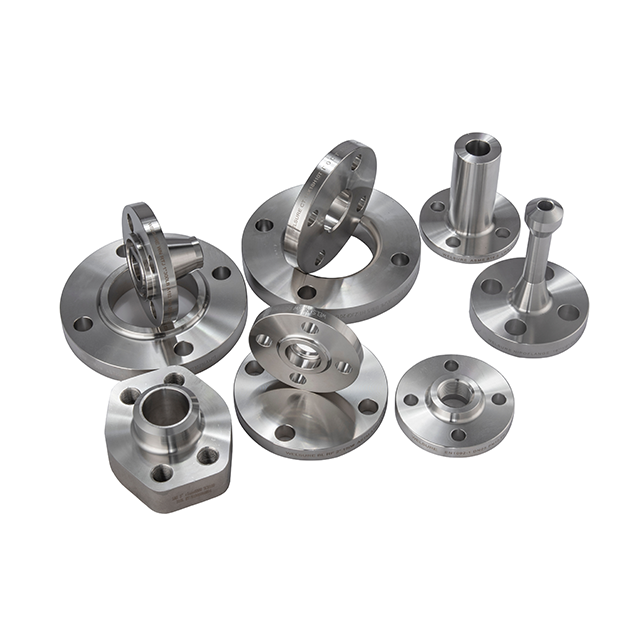
| Factor | Prefabricated Pipe Systems | Traditional Stick-Built |
|---|---|---|
| Installation Time | 30-50% faster | Baseline |
| Weld Quality | Consistent factory QC, 100% inspection possible | Variable field conditions |
| Weather Impact | Minimal (indoor fabrication) | Significant delays possible |
| Labor Requirements | Reduced on-site welders needed | Higher skilled labor demand |
| Project Costs | 15-25% lower total installed cost | Higher due to longer schedules |
| Safety Performance | Better (controlled environment) | Higher risk in field conditions |
| Quality Documentation | Complete material traceability | Documentation gaps possible |
Prefabricated pipe manufacturers offer diverse material options tailored to specific service conditions:
ASTM A106 Grade B for general service
API 5L X52-X80 for high-pressure pipelines
ASTM A333 Grade 6 for low-temperature service
304/304L for general corrosion resistance
316/316L for enhanced chloride resistance
Duplex 2205/2507 for aggressive environments
Chrome-moly grades (P5, P9, P11, P22, P91)
High-nickel alloys (Inconel, Hastelloy, Monel)
Titanium for seawater and corrosive service
About our company: We maintain extensive material inventories and can provide rapid quotations for custom alloy requirements across all industrial applications.
Leading prefabricated pipe manufacturers implement rigorous quality control programs:
Material Verification: PMI testing, mill certifications, and chemical analysis
Dimensional Control: Laser scanning and coordinate measuring machines
Weld Quality: RT, UT, MT, PT inspection per applicable codes
Pressure Testing: Hydrostatic or pneumatic testing before shipment
Surface Preparation: Blasting, coating, and painting per specifications
Documentation: Complete material traceability and weld records
Factory-controlled processes consistently outperform field fabrication in quality metrics, with defect rates typically 60-70% lower than stick-built alternatives.
Successful prefabricated pipe module installation requires:
Pre-Installation Planning
3D laser scanning of existing conditions
Detailed rigging and lifting plans
Sequence coordination with other trades
Material delivery and staging logistics
Field Installation Procedures
Temporary support during positioning
Precision alignment using optical instruments
Final fit-up welding of spool connections
Post-installation pressure testing and flushing
Quality Verification
Visual inspection of all connections
Non-destructive testing of field welds
System cleanliness verification
Operational testing and commissioning
The modular prefabricated pipe approach reduces craft labor hours by 40-60% compared to traditional methods, while improving safety outcomes through reduced hot work and elevated work activities.
The prefabricated pipe system industry continues evolving with technological advancements:
Digital Fabrication: Advanced scanning, BIM integration, and automated welding increase accuracy and productivity.
Modular Standardization: Industry consortiums develop standardized prefabricated pipe modules for common applications, reducing engineering costs.
Advanced Materials: Composite materials, corrosion-resistant alloys, and smart piping with integrated sensors expand application possibilities.
Sustainability Focus: Prefabrication reduces construction waste by 50-70% and minimizes environmental impact through controlled manufacturing processes.
Supply Chain Optimization: Global fabrication networks allow projects to source custom prefabricated pipe from optimal locations based on cost, schedule, and technical capabilities.
| Cost Component | Impact of Prefabrication |
|---|---|
| Labor Costs | 25-40% reduction in total manhours |
| Schedule Duration | 30-50% shorter construction timeline |
| Rework/Defects | 60-70% reduction in weld repairs |
| Site Overhead | Reduced due to compressed schedules |
| Safety Costs | Lower incident rates and insurance premiums |
| Quality Assurance | Reduced inspection and testing costs |
| Overall Project Cost | 15-25% total installed cost savings |
While prefabricated steel pipe may have higher initial material costs, total project economics consistently favor prefabrication for medium to large-scale projects.
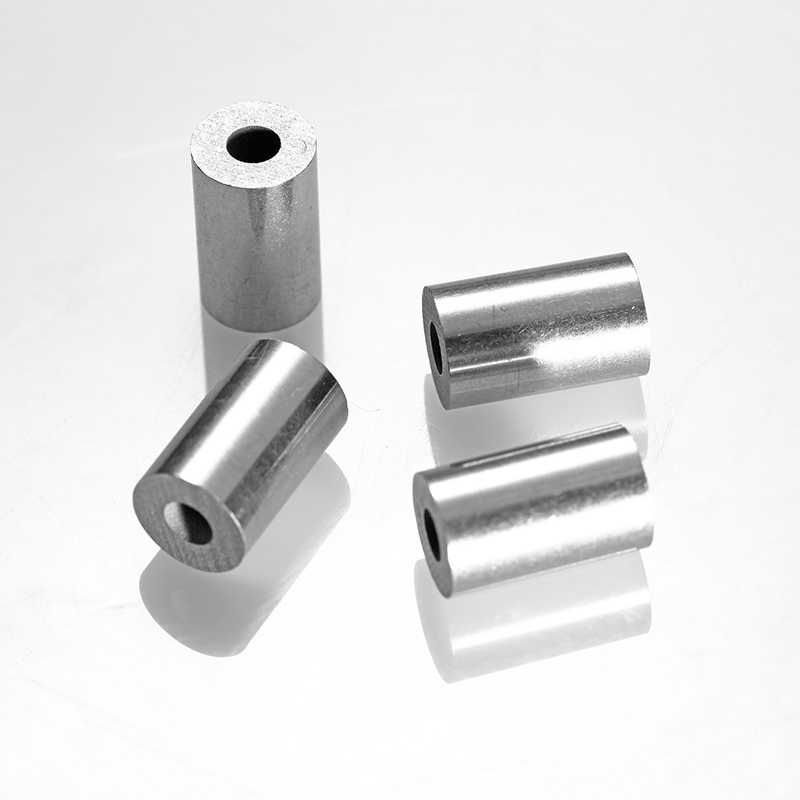
Prefabricated pipes have become indispensable across 15 major industrial sectors, from oil and gas to healthcare facilities. The combination of superior quality control, accelerated schedules, improved safety, and reduced costs makes prefabricated pipe systems the preferred solution for modern industrial construction.
As a trusted prefabricated pipe manufacturer, we've demonstrated how modular prefabricated pipe technology transforms project delivery across diverse applications. Whether you need industrial prefabricated pipe for a petrochemical complex or custom prefabricated pipe for a specialized pharmaceutical facility, understanding these applications helps optimize project outcomes.
The future of industrial construction increasingly relies on factory-fabricated solutions that deliver consistent quality while addressing skilled labor shortages and demanding project schedules. By leveraging prefabricated pipe module technology, project owners achieve better results with lower risk and improved sustainability.
Q1: What is the typical lead time for prefabricated pipe systems?
Lead times vary by complexity and volume but typically range from 4-12 weeks for standard prefabricated pipe modules. Complex custom prefabricated pipe assemblies with exotic materials may require 12-16 weeks. Early engagement with manufacturers allows accurate scheduling.
Q2: Can prefabricated pipes be used for both above-ground and underground applications?
Yes, prefabricated steel pipe systems work for both applications. Underground installations require appropriate coatings, cathodic protection, and often factory-applied insulation. Above-ground systems include integrated supports and can accommodate thermal expansion.
Q3: How do prefabricated pipe systems handle thermal expansion?
Modular prefabricated pipe assemblies incorporate expansion loops, bends, and flexible connections designed during engineering. Thermal analysis ensures adequate flexibility while maintaining support integrity. Factory fabrication allows precise positioning of expansion elements.
Q4: What quality certifications should I expect from prefabricated pipe manufacturers?
Reputable prefabricated pipe manufacturers hold ISO 9001 certification, ASME code stamps (U, S, PP), AWS welding certifications, and industry-specific qualifications (API, PED, CRN). Complete material traceability and weld documentation should accompany every shipment.
Q5: How does prefabrication impact project schedules compared to field construction?
Prefabricated pipe systems typically reduce installation duration by 30-50% through concurrent fabrication and site preparation. Weather delays are eliminated, and reduced field labor requirements minimize scheduling conflicts. Complex projects often see 6-12 month schedule compressions using industrial prefabricated pipe modules.
For more information about our comprehensive range of prefabricated pipe solutions and how we can support your next project, visit SSTUBECN or explore our complete product offerings.


