
- Home
- Products
- About Us
- Quality
- Application
- Services & Support
- Blogs
- Contact
Views: 0 Author: Site Editor Publish Time: 2025-12-04 Origin: Site


Ever wondered how power stations maintain precise control under extreme conditions? Stainless steel capillary tubes are key. These tubes, including ultra thin wall capillary seamless tubes and ultra thick wall capillary seamless tubes, ensure safety and efficiency. In this post, you’ll learn about their types, features, and essential roles in power station engineering.
In power station engineering, choosing the right type of stainless steel capillary tube is crucial for ensuring system reliability and efficiency. Various types of tubes serve different purposes depending on pressure, temperature, and environmental conditions. Here’s a detailed look at the main types used and their characteristics.
Ultra thin wall capillary seamless tubes have very small wall thickness compared to their diameter. This design offers several advantages:
Lightweight and flexible: Easier installation and reduced overall system weight.
High precision flow control: Thin walls allow precise regulation of fluid or gas flow, vital in instrumentation.
Excellent heat transfer: Thin walls improve thermal response time in temperature-sensitive applications.
Seamless construction: No welds or joints means higher strength and fewer leak risks.
These tubes are ideal for delicate instrumentation and control systems in power stations, where accuracy and responsiveness matter most.
On the other hand, ultra thick wall capillary seamless tubes feature a much thicker wall, providing:
Superior mechanical strength: Can withstand higher pressures and mechanical stresses.
Enhanced durability: Better resistance to wear, corrosion, and harsh environments.
Longer service life: Ideal for demanding hydraulic and pneumatic systems in power plants.
Seamless integrity: Avoids weaknesses found in welded tubes, reducing failure points.
Such tubes are preferred where safety and robustness are priorities, such as in high-pressure fluid transmission lines.
Both seamless and welded tubes have their places in power station engineering. Understanding their differences helps in selecting the right tube type:
| Feature | Seamless Tubes | Welded Tubes |
|---|---|---|
| Construction | Made from a single solid piece | Formed by welding stainless steel strips |
| Strength | Higher pressure resistance | Slightly less pressure resistance |
| Corrosion Resistance | Better due to uniform grain structure | Weld seams can be corrosion-prone |
| Cost | Generally more expensive | More economical |
| Dimensional Accuracy | Very precise tolerances | Good but less consistent |
| Applications | Critical, high-pressure systems | Less critical, cost-sensitive uses |
Seamless tubes are favored in critical instrumentation and control lines, while welded tubes serve well in less demanding applications where cost is a factor.
Selecting the right stainless steel grade affects performance and longevity. Common grades include:
304/304L: Good corrosion resistance and weldability; used in general applications.
316/316L: Enhanced resistance to chlorides and acids; preferred in marine or chemical environments.
321/347: Heat-resistant grades suitable for high-temperature zones.
Duplex (2205) and Super Duplex: High strength and excellent corrosion resistance for aggressive environments.
904L: High alloyed grade for extreme corrosion resistance in harsh chemical conditions.
Each grade offers specific benefits, so matching the grade to the operational environment is key to optimizing tube performance.
Note: When selecting capillary tubes, consider the balance between mechanical strength, corrosion resistance, and cost to ensure optimal performance and safety in power station applications.
Precision capillary seamless tubes play a vital role in power station engineering due to their unique features tailored for demanding environments. These tubes ensure reliable performance, safety, and longevity in critical systems.
These tubes are made from a single solid piece of stainless steel without any welds, giving them exceptional tensile strength. This seamless construction means fewer weak points, allowing the tubes to endure high mechanical stresses and pressures common in power stations. Their durability reduces the risk of failure, contributing to safer and more stable operations.
Power stations often expose materials to moisture, chemicals, and extreme temperatures. Precision stainless steel capillary tubes resist corrosion thanks to their alloy composition, which forms a protective oxide layer on the surface. This layer prevents rust and degradation, even in aggressive environments such as steam lines or chemical dosing systems. As a result, these tubes maintain integrity over long periods, minimizing maintenance needs.
Manufactured with strict dimensional accuracy, these tubes have very tight tolerances on outer diameter, wall thickness, and length. This precision ensures consistent fluid flow and accurate control in instrumentation and control systems. The smooth inner surfaces reduce turbulence and pressure drops, improving the efficiency of fluid transmission. Such accuracy is critical for sensitive monitoring and control equipment in power plants.
Seamless tubes lack welded joints, eliminating common failure points found in welded tubes. This uninterrupted grain structure enhances strength and fatigue resistance. It also improves corrosion resistance by avoiding weld seam vulnerabilities. The seamless design ensures leak-free operation under high pressure and temperature, which is essential for maintaining system reliability and safety in power station applications.
Tip: Always specify seamless stainless steel capillary tubes with certified tight tolerances and corrosion-resistant grades to ensure optimal performance and longevity in power station systems.
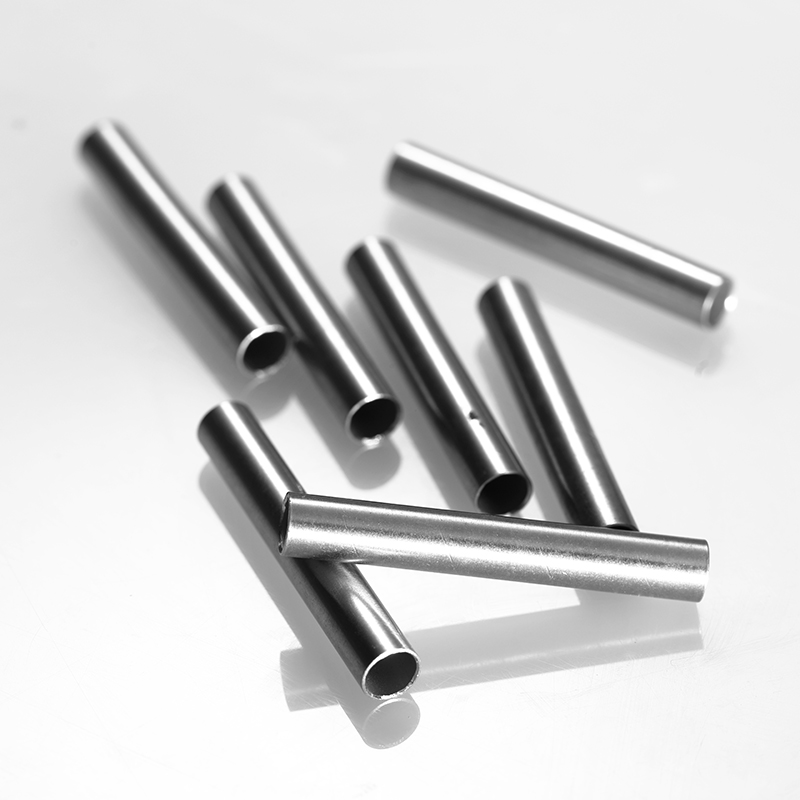
Stainless steel capillary tubes serve many critical roles in power station engineering. Their precision, durability, and resistance make them essential in systems where safety and reliability cannot be compromised.
These tubes are vital in instrumentation and control systems. They carry fluid or gas signals to sensors, gauges, and control valves. Their small diameter and seamless construction allow precise flow control, ensuring accurate measurements. This precision helps maintain stable operation of turbines, boilers, and other equipment. For example, pressure transmitters rely on stainless steel capillary tubes to deliver exact pressure readings without leaks or delays.
Power stations use hydraulic and pneumatic systems for valve actuation, cooling, and lubrication. Stainless steel capillary tubes withstand high pressures and mechanical stress in these systems. Their corrosion resistance ensures long service life despite exposure to moisture and chemicals. The tubes’ strength prevents failures that could cause costly downtime or hazards. For instance, in hydraulic control lines, these tubes maintain constant pressure and fluid integrity.
Capillary tubes also play a role in heat exchange and fluid transmission. Their thin walls and smooth interiors promote efficient heat transfer and minimize pressure drops. They transport fluids such as steam, water, or refrigerants safely and efficiently. This supports processes like cooling turbine blades or controlling temperature in sensitive equipment. Their seamless design prevents leaks that could reduce system efficiency or cause damage.
Safety depends on real-time monitoring systems that detect pressure, temperature, or flow changes instantly. Stainless steel capillary tubes connect sensors to control panels, enabling continuous data transmission. Their durability and corrosion resistance guarantee consistent performance in harsh environments. These tubes help power plants respond promptly to abnormal conditions, preventing accidents and equipment damage.
Stainless steel capillary tubes offer many benefits in power station engineering. Their unique properties make them essential for reliable, safe, and long-lasting system performance.
Power stations often face harsh environments—moisture, chemicals, heat. Stainless steel forms a strong, protective oxide layer that resists corrosion. This keeps tubes intact over years, even in steam or chemical exposure. They also handle high temperatures without losing strength or shape, preventing failures caused by heat damage.
Seamless stainless steel tubes have no welds or joints, which are common leak points. Their continuous grain structure resists cracks and fatigue under pressure. This means fewer leaks and breakdowns in critical lines. Reliable tubing reduces downtime and safety risks, ensuring smooth operation of instrumentation and control systems.
Power station systems often operate under extreme pressures and temperatures. Stainless steel capillary tubes maintain integrity under these conditions. They withstand pressure spikes and thermal cycling without deforming or bursting. This capability supports hydraulic, pneumatic, and fluid transmission systems, which demand robust tubing materials.
Though stainless steel tubes may cost more upfront, their long service life saves money. They require less frequent replacement and maintenance, cutting labor and material costs. Their durability reduces the risk of costly leaks or failures. Over time, this makes stainless steel capillary tubes a smart investment for power plants.
Tip: Choose stainless steel capillary tubes with certified corrosion-resistant grades and seamless construction to maximize durability and system safety in power stations.
Choosing the right manufacturer for stainless steel capillary tubes is critical. The tubes must meet stringent quality and performance standards to ensure safety and reliability in power station engineering. Here’s what to consider when selecting a supplier.
Experience and Reputation: Look for manufacturers with proven expertise in producing high-quality stainless steel capillary tubes for industrial or power station use. Experienced suppliers understand the demanding conditions these tubes face.
Product Range: A broad product range allows customization to meet specific size, wall thickness, and material grade requirements. This flexibility is vital for tailored power station applications.
Technical Support: Reliable technical assistance helps in choosing the right tube specifications and troubleshooting any issues during installation or operation.
Lead Time and Capacity: Ensure the manufacturer can deliver within your project timeline and handle volume requirements without compromising quality.
Manufacturers must comply with recognized industry standards such as ASTM A269, ASTM A213, or equivalent certifications. Compliance guarantees the tubing meets essential mechanical, chemical, and dimensional requirements. Certified products reduce risks of failure and ensure compatibility with existing systems.
Power stations often require tubes customized for:
Outer Diameter and Wall Thickness: Precise dimensions ensure proper fit and function in instrumentation or hydraulic systems.
Material Grade: Different stainless steel grades (304, 316L, duplex, etc.) suit various corrosion and temperature conditions.
Coiling and Length: Coiled tubes save space and simplify installation, while straight lengths suit other layouts. Custom coiling must maintain bend radius limits to avoid stress.
Top manufacturers implement strict quality control, including:
Dimensional Inspection: Verifying exact tube diameters and wall thicknesses.
Pressure Testing: Ensuring tubes withstand specified pressures without leaks.
Surface Finish Checks: Confirming smooth internal surfaces to prevent flow disturbances.
Material Certification: Providing mill test reports (MTRs) that verify chemical composition and mechanical properties.
Non-Destructive Testing (NDT): Detecting defects or discontinuities in the tubes.
These measures guarantee tubes perform reliably in critical power station environments.
Tip: Always request detailed quality certifications and test reports from manufacturers to ensure stainless steel capillary tubes meet your power station’s stringent safety and performance requirements.
Proper installation and maintenance of stainless steel capillary tubes are critical to ensure longevity, safety, and optimal performance in power station engineering. Following best practices helps avoid damage, leaks, and costly downtime.
During installation, avoid applying excessive stress or sharp bends to the tubes. Stainless steel capillary tubes are precise and can be sensitive to deformation. Use the manufacturer’s recommended minimum bending radius—typically 3 to 5 times the tube’s outer diameter—to prevent kinking or cracking. Employ bending tools designed for thin-walled tubing to maintain smooth curves and prevent wall thinning.
Stress-free installation means supporting tubes properly along their length to avoid sagging or vibration, which can cause fatigue over time. Use clamps or brackets that do not compress or deform the tube. Avoid twisting or pulling the tube during fitting or coiling, as this can introduce internal stress and lead to premature failure.
Handle tubes carefully to prevent dents or scratches that compromise corrosion resistance. Always use clean, sharp cutting tools designed for stainless steel tubing, such as rotary tube cutters or precision saws. Avoid crushing the tube ends during cutting.
After cutting, deburr the inside and outside edges to remove sharp edges or metal fragments that could damage fittings or obstruct flow. Clean tubes thoroughly to remove any residual oils, dirt, or metal particles before installation. This ensures leak-free connections and prevents contamination in sensitive instrumentation.
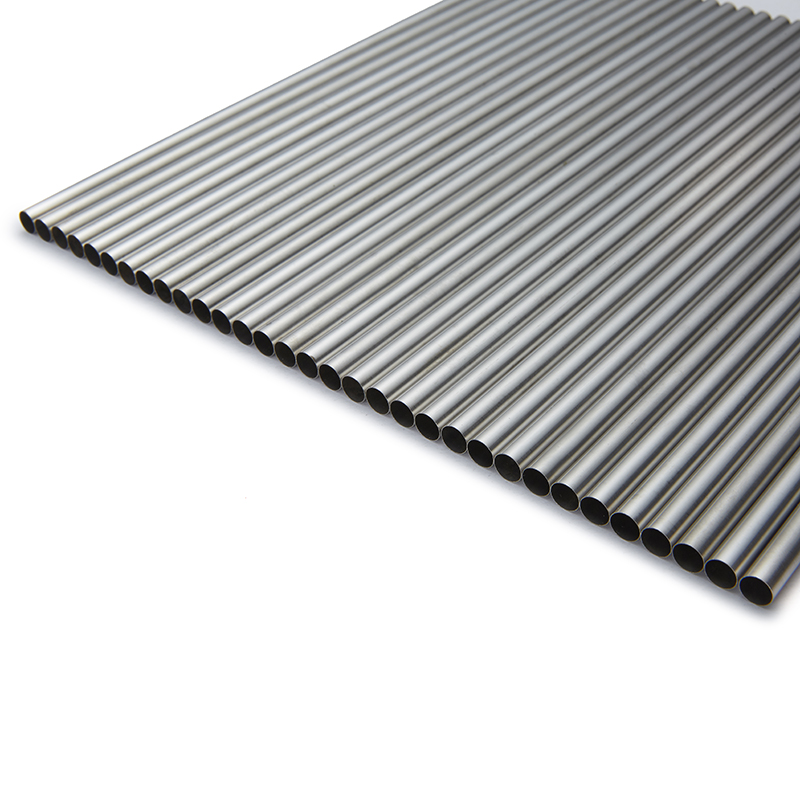
Routine inspections are vital. Check tubes for signs of corrosion, cracks, or deformation, especially near bends, fittings, or supports. Inspect connections and fittings for leaks or loosening.
Leak testing should be performed after installation and periodically during operation. Use pressure testing methods compatible with the system, such as hydrostatic or pneumatic testing, to verify tube integrity. Early detection of leaks prevents system failures and safety hazards.
Maintain tubes by keeping them clean and dry when possible. Protect them from exposure to harsh chemicals or abrasive environments beyond their design limits. Replace damaged or compromised tubes promptly.
Ensure that tubing supports remain secure and that vibration or thermal expansion does not cause undue stress. Periodically re-tighten fittings following manufacturer guidelines to maintain seal integrity.
Document inspection and maintenance activities to track tube condition and predict replacement schedules. Proper upkeep reduces unplanned outages and extends the service life of stainless steel capillary tubes in demanding power station environments.
As power stations evolve, so does the technology behind stainless steel capillary tubes. Innovations focus on improving performance, safety, and sustainability to meet modern demands.
New stainless steel alloys and treatments boost tube strength and corrosion resistance. For example, super duplex and high-nitrogen steels offer superior durability in harsh environments. Researchers also explore coatings that reduce fouling and improve heat transfer. These materials help tubes withstand higher pressures, extreme temperatures, and aggressive chemicals common in power plants.
Smart power stations use sensors and IoT devices to monitor equipment in real time. Stainless steel capillary tubes are now designed to integrate seamlessly with these systems. Embedded sensors can detect pressure changes or leaks instantly. This early warning helps prevent failures and enables predictive maintenance, reducing downtime and costs.
Eco-friendly manufacturing processes reduce waste and energy use during tube production. Recyclable materials and longer-lasting tubes minimize environmental impact. Additionally, tubes designed for efficient heat exchange help power plants lower fuel consumption and emissions. These green innovations align with global efforts to make energy production cleaner and more sustainable.
Beyond traditional uses, capillary tubes find new roles in advanced systems. For instance, they are used in hydrogen fuel handling and carbon capture units. Their precision and durability make them ideal for managing novel fluids and gases. As power stations adopt renewable and hybrid technologies, capillary tubes will adapt to meet these innovative requirements.
Tip: Stay informed about new stainless steel alloys and smart sensor integrations to future-proof your power station’s capillary tube systems.
Stainless steel capillary tubes are vital in power station engineering for their strength, corrosion resistance, and precision. They ensure reliable operation in instrumentation, hydraulic, and safety systems. These tubes enhance safety by preventing leaks and withstanding harsh conditions, improving overall efficiency. Industry professionals should prioritize seamless, high-quality tubes with certified specifications. HUASHANG STEEL offers superior stainless steel capillary tubes designed to meet these demanding needs, providing durability and performance that add real value to power station projects.
A: A stainless steel capillary tube is a precision seamless tube used for accurate fluid or gas flow control, crucial for instrumentation and safety in power stations.
A: Ultra thin wall tubes offer lightweight, precise flow control, while ultra thick wall tubes provide superior strength and durability for high-pressure applications.
A: Precision seamless tubes have higher strength, better corrosion resistance, and tighter tolerances, ensuring reliable performance in critical systems.
A: Look for manufacturers with industry experience, compliance with standards, a broad product range, and strong quality assurance for stainless steel capillary tubes.
A: Follow recommended bending radius guidelines, use proper cutting tools, avoid stress during installation, and perform regular leak testing to ensure longevity and safety.


