
- Home
- Products
- About Us
- Quality
- Application
- Services & Support
- Blogs
- Contact
Views: 0 Author: Site Editor Publish Time: 2026-01-30 Origin: Site


Stainless Steel Welded Pipes can fail sooner than expected.Corrosion often starts quietly, then spreads fast. This article focuses on proper maintenance. It explains how corrosion and failures really happen.In this guide, you will learn practical steps.They help protect Stainless Steel Welded Pipes long term.
Stainless Steel Welded Pipes resist corrosion because chromium in the alloy reacts with oxygen and forms a passive oxide layer on the surface. This layer acts as a natural shield, separating the metal from moisture, air, and many chemicals. As long as the surface remains clean and intact, the protection can renew itself automatically. That is why stainless steel performs well in many industrial and commercial environments. However, this protection is conditional. Environmental exposure slowly weakens the passive layer when contaminants remain on the surface. Common factors that reduce corrosion resistance include:
● Chlorides from coastal air, cleaning agents, or process fluids that attack the passive film.
● Industrial dust and debris that trap moisture against the pipe surface.
● Poor cleaning habits that allow residues to remain in contact with the metal.
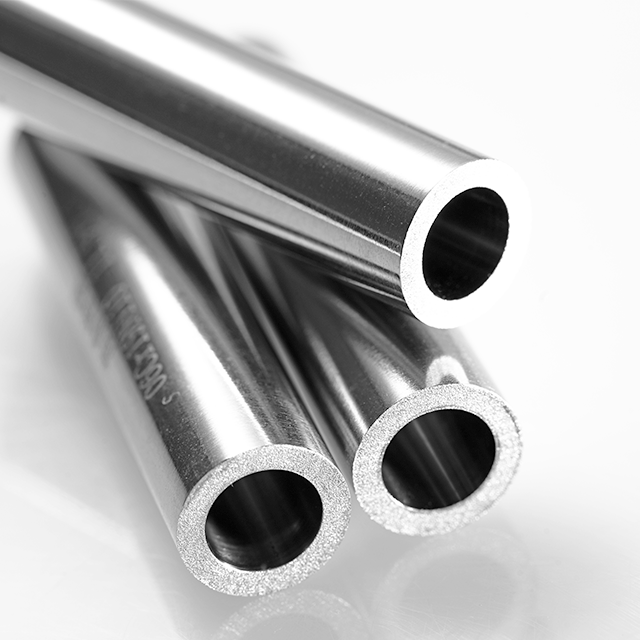
Welded areas behave differently from the base metal because welding introduces intense heat. This heat alters the microstructure around the seam and creates a heat-affected zone with slightly different corrosion behavior. If post-weld cleaning or passivation is not performed correctly, these zones lose part of their protective oxide layer. Weld seams also act as collection points for contaminants. During fabrication, installation, or operation, particles and moisture often settle along weld lines. Over time, these conditions make welds the most likely starting point for corrosion in Stainless Steel Welded Pipes. Typical weaknesses at welded areas include:
● Residual heat effects that reduce local corrosion resistance.
● Surface roughness that traps moisture and chemicals.
● Incomplete cleaning that leaves iron particles or welding residues. Manufacturers such as Huashang Steel apply controlled welding processes to minimize these risks. Still, once pipes enter service, regular inspection of welded zones becomes essential to prevent early damage.
High-Risk Area | Why It Is Vulnerable | Likely Outcome |
Weld seam | Structural and thermal changes | Early surface corrosion |
Heat-affected zone | Passive layer instability | Pitting development |
Pipe joints | Moisture accumulation | Leakage and failure |
Failures in Stainless Steel Welded Pipes usually develop gradually rather than suddenly. Small surface changes often appear long before structural problems become visible. These early signs are easy to overlook, yet they indicate that corrosion processes have already started. Typical failure patterns follow a predictable path. At first, visual staining or discoloration appears near welds or joints. Later, localized pitting forms beneath deposits, weakening the pipe wall. If these issues remain untreated, they evolve into leaks, pressure loss, or joint degradation. Common progression stages include:
● Cosmetic surface staining that signals passive layer breakdown.
● Localized pitting that penetrates deeper into the metal.
● Weld seam weakening that leads to leakage or mechanical failure.
Routine cleaning plays a direct role in keeping Stainless Steel Welded Pipes stable in daily operation. Dirt, grease, salts, and chemical residues settle on pipe surfaces during use. They trap moisture and block oxygen from reaching the metal evenly. Once this happens, the passive oxide layer weakens in small areas rather than across the whole surface. Those weak points often become the starting place for corrosion. Cleaning frequency depends strongly on the operating environment. Pipes used indoors or in clean processing areas usually need less frequent care. Pipes exposed to humidity, chemicals, or outdoor conditions need attention more often. In practice, many operators follow simple rules:
● Clean more often where moisture, salt, or chemicals are present.
● Combine cleaning tasks with routine inspections to save time.
● Adjust frequency when operating conditions change. Manufacturers such as Huashang Steel design Stainless Steel Welded Pipes for durability, but regular surface care remains essential once pipes are in service.
Operating Environment | Typical Surface Risk | Suggested Cleaning Interval |
Indoor dry areas | Dust accumulation | Monthly |
Industrial processing zones | Chemical residues | Weekly |
Coastal or humid locations | Salt exposure | Weekly or more |
Outdoor installations | Moisture and debris | Based on inspection |
Approved cleaning methods focus on protecting the surface while removing contaminants effectively. Mild detergents and clean water work well for most Stainless Steel Welded Pipes. They remove oils and residues without damaging the passive layer. After cleaning, thorough rinsing matters because detergent residue can attract dirt or moisture later. Drying the surface completes the process. Standing water leaves marks and increases corrosion risk over time. Operators usually rely on clean cloths or air drying to finish the job. Safe cleaning practices include:
● Using soft cloths, sponges, or non-abrasive pads.
● Rinsing surfaces completely to remove cleaning agents.
● Drying pipes to prevent water spots and moisture retention. Abrasive pads and steel brushes should be avoided. They scratch the surface and remove part of the protective layer. Once scratches form, Stainless Steel Welded Pipes lose uniform corrosion resistance and become harder to maintain.
Cleaning Tool or Agent | Surface Impact | Suitability |
Mild detergent | Removes oils safely | Recommended |
Clean water rinse | Prevents residue buildup | Essential |
Soft cloth or sponge | Protects surface finish | Recommended |
Steel brush | Scratches surface | Not recommended |
Cleaning also works as an inspection opportunity. When operators wipe down Stainless Steel Welded Pipes, they see surface changes early. Discoloration, tea staining, or dull finishes often appear before deeper corrosion starts. These signs usually mean the passive layer has weakened locally, not that the entire pipe has failed. Spotting these changes early allows quick action. Light staining often disappears after proper cleaning or surface treatment. Ignoring it allows pits to form under deposits, which leads to long-term damage. During cleaning routines, teams usually watch for:
● Color changes near weld seams or joints.
● Rough or dull areas that feel different to the touch.
● Stains that return quickly after cleaning.
Weld zones behave differently from the rest of Stainless Steel Welded Pipes. During fabrication, intense heat changes the local metal structure and disturbs the surface condition. This area often loses part of its natural corrosion resistance if it is not treated correctly after welding. At the same time, fabrication activities introduce surface contamination that stays concentrated near weld seams. Typical sources of contamination include welding slag, grinding dust, and airborne iron particles from nearby carbon steel work. These contaminants settle easily along weld lines and corners. Once moisture enters, corrosion starts locally instead of spreading evenly. From a maintenance point of view, weld zones deserve closer attention because:
● They experience higher thermal stress during fabrication.
● They collect contaminants more easily than smooth pipe surfaces.
● They show corrosion symptoms earlier than base metal areas. Manufacturers like Huashang Steel control welding parameters carefully, yet field conditions still require users to manage weld zones actively after installation.
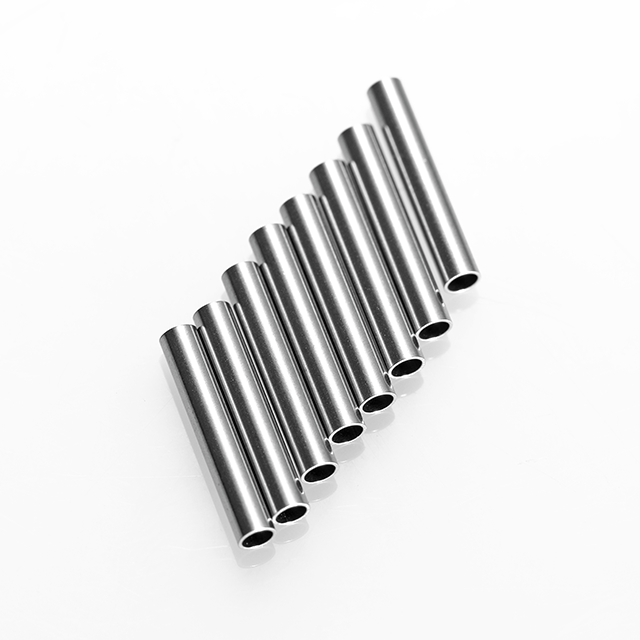
Pickling and passivation help restore surface stability after welding. Pickling removes heat tint, oxides, and embedded contaminants left on the surface. Passivation then rebuilds the chromium-rich oxide layer that protects Stainless Steel Welded Pipes during service. Together, these treatments improve corrosion resistance in areas most affected by welding. Post-weld treatment becomes critical in aggressive environments. Pipes used in chemical processing, humid areas, or coastal zones benefit the most. In these cases, untreated welds may corrode much faster than expected. Operators usually apply treatment when:
● Visible heat discoloration appears around weld seams.
● Pipes will operate in chloride-rich or corrosive conditions.
● Long service life and low maintenance are required. Huashang Steel often recommends post-weld surface treatment for projects that demand consistent corrosion performance across the entire pipe system.
Treatment Method | Primary Purpose | Typical Application |
Pickling | Removes oxides and contaminants | Immediately after welding |
Passivation | Restores protective oxide layer | After cleaning or pickling |
Combined treatment | Maximizes corrosion resistance | Critical environments |
Cross-contamination is a common but underestimated risk. When Stainless Steel Welded Pipes come into contact with carbon steel tools or grinding dust, iron particles embed into the surface. These particles rust first and trigger corrosion around them. The damage often looks like stainless steel corrosion, but the source is external contamination. Preventing this issue requires simple but strict habits during fabrication and repair. Experienced manufacturers such as Huashang Steel follow clear separation rules to protect surface integrity. Effective practices include:
● Using dedicated stainless steel tools and brushes only.
● Cleaning work areas before stainless steel fabrication begins.
● Avoiding shared storage spaces for carbon steel and stainless components. These steps reduce unnecessary surface damage and lower long-term maintenance costs once pipes enter service.
Inspection focused on weld zones helps detect problems early. Visual checks often reveal discoloration, rough weld profiles, or small pits forming near seams. These signs usually appear before leaks or mechanical failures develop. Regular inspection allows corrective action while damage remains superficial. In more demanding systems, visual inspection alone may not be enough. Non-destructive testing supports early detection without interrupting operation. Maintenance teams commonly rely on:
● Visual inspection during routine cleaning.
● Dye penetrant testing for surface cracks.
● Pressure or integrity checks during scheduled shutdowns. Many users working with Huashang Steel integrate weld inspection into normal maintenance routines. This approach reduces unexpected failures and keeps Stainless Steel Welded Pipes operating safely under long-term service conditions.
Storage conditions shape the early life of Stainless Steel Welded Pipes more than many teams expect. Moisture, poor airflow, and careless stacking allow condensation to sit on surfaces. When water stays trapped, oxygen distribution becomes uneven and corrosion starts locally. Pipes stored outdoors or near carbon steel products face higher risk because airborne iron particles settle quietly on stainless surfaces. Good storage practices reduce these risks before installation even begins. Teams usually focus on clean, dry spaces and simple handling rules. Practical habits include:
● Keeping pipes off the ground using wooden or rubber supports.
● Storing them in ventilated areas to avoid condensation buildup.
● Separating stainless steel from carbon steel materials during storage. Manufacturers such as Huashang Steel recommend these steps to protect surface integrity and maintain consistent corrosion resistance before pipes enter service.
Storage Condition | Risk Level | Recommended Action |
Damp or enclosed space | High | Improve ventilation or relocate |
Outdoor uncovered storage | High | Use breathable protective covers |
Mixed material storage | Medium | Separate stainless and carbon steel |
Dry indoor storage | Low | Maintain regular inspection |
Installation choices directly affect how Stainless Steel Welded Pipes age in service. Poor alignment introduces mechanical stress, while crevices trap moisture and residues. These conditions accelerate corrosion even when materials and weld quality are good. Smooth layouts support uniform flow and reduce areas where contaminants collect. Design and installation teams often reduce risk by following simple principles. They focus on geometry, drainage, and joint quality rather than relying on material properties alone. Effective practices include:
● Avoiding sharp corners and dead zones where fluids stagnate.
● Ensuring proper alignment to reduce vibration and stress.
● Designing drainage paths so liquids do not remain in the system. Huashang Steel supports customers during project planning to help match installation practices with the expected operating environment, improving long-term reliability.
Installation Factor | Common Issue | Impact on Pipe Life |
Poor alignment | Local stress buildup | Fatigue and cracking |
Crevices or gaps | Moisture retention | Localized corrosion |
Inadequate drainage | Residue accumulation | Accelerated degradation |
Smooth weld transitions | Even flow | Extended service life |
Long-term performance depends on routine inspection rather than occasional repair. Stainless Steel Welded Pipes rarely fail without warning. Early signs usually appear as surface changes, minor leaks, or weld discoloration. Regular checks allow teams to act before damage spreads or pressure integrity drops. Inspection frequency varies by environment and use. Pipes in aggressive conditions need closer attention than those in clean indoor systems. Many operators follow flexible schedules based on risk rather than fixed calendars. A practical approach often includes:
● Visual inspection during cleaning or shutdowns.
● Focused checks on weld seams and joints.
● Adjusting inspection intervals when conditions change. Huashang Steel encourages users to build simple maintenance plans tied to real operating conditions. This approach keeps Stainless Steel Welded Pipes reliable without adding unnecessary complexity to daily operations.
Proper maintenance keeps Stainless Steel Welded Pipes reliable. Cleaning, storage, and inspection reduce corrosion risks. Weld zone care prevents early failures and leaks. Good installation lowers long-term stress and damage.
HUASHANG STEEL supplies stable Stainless Steel Welded Pipes. Their controlled welding and service support long pipe life.


