
Views: 0 Author: Site Editor Publish Time: 2026-01-28 Origin: Site


Poor welds often fail first.Stainless Steel Welded Pipes demand strict control.This article explains how welding and inspection really work. We focus on methods, checks, and common risks. In this guide, you will learn how to weld and inspect Stainless Steel Welded Pipes safely and correctly.
When working with Stainless Steel Welded Pipes, the choice of base material directly affects welding stability and inspection reliability. In most industrial pipe systems, austenitic stainless steels are widely used because they combine corrosion resistance with predictable welding behavior. These materials tolerate controlled heat input well, which helps maintain consistent weld bead formation and reduces inspection uncertainty.
Chemical composition plays a quiet but decisive role during welding. Elements such as chromium and nickel support corrosion resistance, yet they also influence heat flow and solidification. If material chemistry varies between pipe batches, weld quality becomes harder to control and inspection criteria become less consistent. This is why experienced manufacturers like HUASHANG STEEL emphasize material consistency across production.
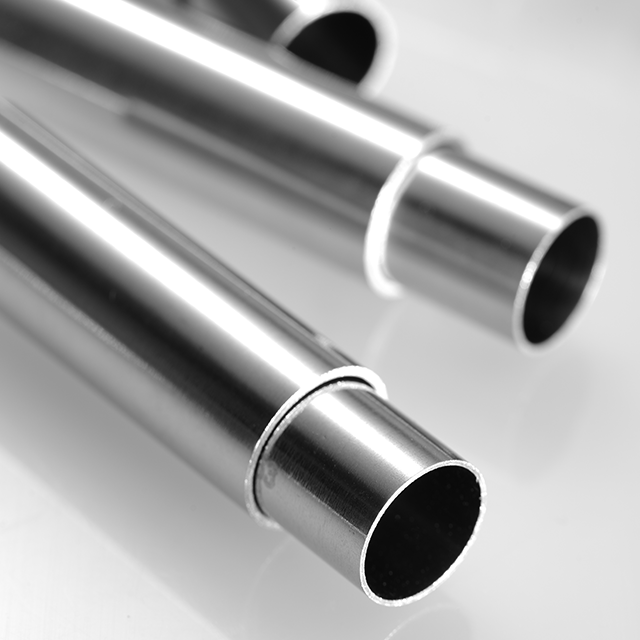
Engineers usually focus on these material-related points:
● Austenitic stainless steels offer stable weld pools and smooth bead formation.
● Low-carbon grades reduce the risk of sensitization in the heat-affected zone.
● Consistent chemical composition supports repeatable welding procedures.
● Stable materials simplify visual and non-destructive inspection.
Filler metal selection has a strong influence on the long-term performance of Stainless Steel Welded Pipes. Low-carbon filler metals are commonly chosen because they help limit chromium carbide formation, which protects corrosion resistance after welding. This becomes especially important for pipes used in chemical processing, food systems, or pressure applications.
Matching filler metal chemistry to the base pipe material keeps the weld joint balanced during heating and cooling. When both materials respond similarly, welders can control penetration and bead shape more easily. If the chemistry is mismatched, uneven cooling may lead to cracking, surface defects, or inspection failures.
From a practical fabrication perspective, filler selection also affects inspection results. Proper filler metals tend to produce smoother weld surfaces with fewer visible defects, making subsequent visual and penetrant inspections more reliable. For industrial suppliers such as HUASHANG STEEL, this consistency supports quality control across large batches of Stainless Steel Welded Pipes.
Key filler metal considerations include:
● Favor low-carbon fillers to preserve corrosion resistance.
● Match filler chemistry closely to the base material.
● Avoid fillers that unnecessarily increase carbon content.
● Select fillers that support stable penetration and bead shape.
Careful preparation forms the foundation of defect-free Stainless Steel Welded Pipes. Before welding begins, pipe surfaces must be cleaned to remove oil, moisture, dust, and machining residue. Even small contaminants can cause porosity or inclusions that later appear during inspection and lead to rejection.
Beveling and groove preparation allow weld metal to flow correctly and achieve full penetration. Pipes with thicker walls usually require machined bevels, followed by another cleaning step to remove machining oils. Skipping this step often increases the risk of weld defects that are difficult to correct later.
Joint preparation also includes alignment and root face control. Poor fit-up forces welders to slow down and add extra filler metal, which increases heat input and distortion. When preparation is done correctly, welds form evenly, defect rates drop, and inspection outcomes become far more predictable.
Typical preparation steps include:
● Thorough surface cleaning before and after beveling.
● Machining correct bevel angles and groove geometry.
● Controlling alignment and root face dimensions.
● Verifying fit-up before welding starts.
Preparation Step | Purpose | Quality Benefit |
Surface Cleaning | Remove contaminants | Reduces porosity and inclusions |
Bevel Machining | Create weld groove | Improves penetration control |
Fit-Up Control | Maintain alignment | Prevents distortion and rework |
Final Cleaning | Remove machining residue | Improves inspection reliability |
Choosing the right welding process sets the tone for weld quality in Stainless Steel Welded Pipes. In many pipe systems, GTAW is often used for root passes because it delivers clean penetration and strong control over the weld pool. It allows welders to see what is happening and react fast, which helps reduce internal defects that later appear during inspection.
For higher productivity, GMAW and other wire-based processes are frequently applied after the root pass. These processes increase deposition speed and keep heat input more stable when parameters are well controlled. In larger projects, they help balance quality and efficiency. Manufacturers like HUASHANG STEEL often rely on process combinations to ensure both weld integrity and production consistency.
In fabrication environments, the choice also depends on how pipes are assembled. Manual welding offers flexibility for complex layouts, while orbital welding supports repeatability and uniform results in high-volume stainless steel pipe production.
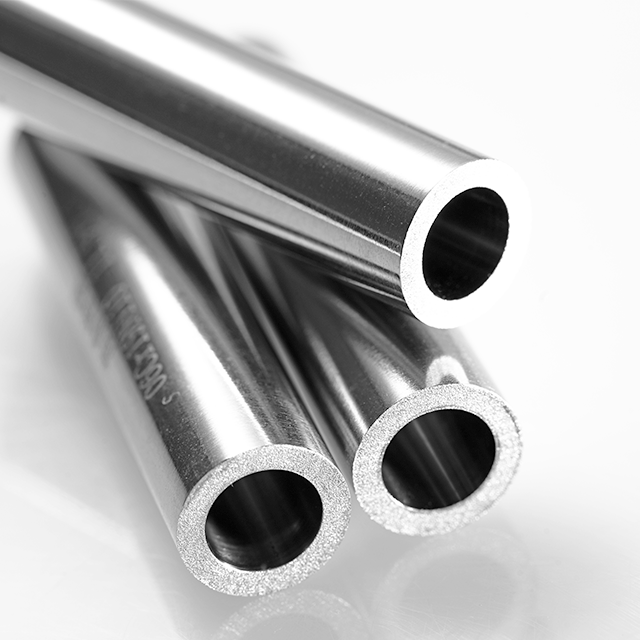
Common process-related considerations include:
● GTAW for precise root passes and internal weld quality.
● GMAW for higher deposition rates and improved productivity.
● Orbital welding for consistent results in repetitive joints.
● Manual welding for flexibility in varied pipe geometries.
Welding Process | Typical Use | Key Benefit |
GTAW (TIG) | Root pass welding | High control, clean penetration |
GMAW (MIG) | Fill and cap passes | Faster welding speed |
Orbital Welding | Repetitive pipe joints | Consistent weld quality |
Joint fit-up has a direct impact on heat input and weld appearance in Stainless Steel Welded Pipes. When pipes are aligned correctly, the weld pool flows evenly and penetration stays consistent. Poor alignment forces welders to slow down and add more filler metal, which increases heat input and distortion.
Root gap control is equally important. A gap that is too wide demands extra filler and higher heat, while a gap that is too tight risks incomplete penetration. Proper spacing allows the weld to form naturally and reduces stress on the joint during cooling. In industrial fabrication, fit-up accuracy often determines how much rework will be needed later.
From a production standpoint, consistent fit-up improves inspection outcomes. Welds formed under stable conditions show fewer surface irregularities, making visual and non-destructive inspection easier and more reliable.
Fit-up practices usually focus on:
● Accurate pipe alignment before welding starts.
● Controlled root gap based on wall thickness.
● Secure tack welds to prevent movement.
● Visual checks before the first welding pass.
Stainless Steel Welded Pipes react differently to heat compared to carbon steel. Heat moves more slowly, which means weld areas stay hot longer. This behavior increases the risk of sensitization, especially in the heat-affected zone, where corrosion resistance can drop if temperature control is poor.
Sensitization typically occurs when the material remains too long in a critical temperature range. During this time, chromium carbides may form along grain boundaries. Once this happens, corrosion resistance decreases and inspection may later reveal premature damage or cracking in service.
Managing heat input requires a balance between travel speed, current, and interpass temperature. Welders focus on steady motion and controlled parameters to keep the weld zone stable. Industrial suppliers such as HUASHANG STEEL apply qualified procedures to limit these risks across large batches of Stainless Steel Welded Pipes.
Practical heat control methods include:
● Limiting interpass temperature to safe ranges.
● Avoiding unnecessary dwell time during welding.
● Using low-carbon materials and fillers.
● Allowing controlled cooling between passes.
Heat Control Factor | Welding Impact | Quality Effect |
Travel Speed | Affects heat buildup | Reduces distortion |
Interpass Temperature | Controls HAZ exposure | Limits sensitization |
Cooling Time | Stabilizes microstructure | Preserves corrosion resistance |
Shielding gas protects the molten weld pool from air exposure during welding of Stainless Steel Welded Pipes. Proper shielding prevents oxidation and helps maintain smooth bead appearance. If shielding is unstable, surface discoloration and internal contamination can occur, which often leads to inspection failures.
Back purging plays a key role when welding pipe roots. Introducing inert gas inside the pipe protects the internal weld surface during root formation. Without it, oxidation can form on the inside of the pipe, creating rough surfaces and hidden defects that are difficult to detect later.
In practical fabrication, gas selection and flow control need constant attention. Stable shielding supports consistent weld quality, while effective back purging protects internal surfaces. These practices are part of the standard welding approach used by professional stainless steel pipe manufacturers.
Key gas-related points include:
● Maintain stable shielding gas flow during welding.
● Use back purging for root pass protection.
● Prevent oxygen entry inside the pipe.
● Monitor gas purity to avoid contamination.
Gas Application | Purpose | Result |
Shielding Gas | Protect weld pool | Clean weld surface |
Back Purging | Protect internal root | Smooth internal weld |
Flow Control | Maintain coverage | Consistent quality |
Before any arc is struck, inspection already starts on Stainless Steel Welded Pipes. Inspectors and welders look closely at material condition, bevel geometry, and surface cleanliness. If oil, moisture, or machining residue remains, it often turns into porosity later. Early checks reduce guesswork and help everyone stay confident once welding begins.
Alignment and tack weld quality matter just as much. Pipes must sit straight, and tack welds must hold firmly without cracks or excessive buildup. If alignment shifts during welding, penetration becomes uneven and heat input rises. In production lines used by manufacturers such as HUASHANG STEEL, this step keeps welding parameters stable across repeated joints.
Typical pre-welding inspection actions include:
● Verifying base material surface condition and cleanliness.
● Checking bevel angles and groove uniformity.
● Confirming pipe alignment before final positioning.
● Reviewing tack weld size, spacing, and soundness.
Inspection Item | What to Check | Why It Matters |
Surface Condition | Oil, moisture, debris | Prevents porosity |
Bevel Geometry | Angle and smoothness | Ensures penetration |
Alignment | Pipe centerline | Avoids distortion |
Tack Welds | Cracks, size | Holds joint stable |
As welding progresses, visual inspection continues between passes on Stainless Steel Welded Pipes. Inspectors observe the weld bead shape, distribution, and surface condition. If slag does not detach easily or the bead looks uneven, it signals deeper problems forming inside the joint.
Porosity and early cracking often appear during these stages. Small pinholes or surface lines may look harmless, yet they usually grow during later passes. Catching them early allows quick grinding and correction. This approach saves time and keeps production moving, especially in continuous pipe fabrication.
Key checks during welding usually focus on:
● Weld bead distribution across both pipe edges.
● Signs of slag inclusion or trapped contaminants.
● Undercut along the weld toe.
● Early surface cracks or pinhole porosity.
During production of Stainless Steel Welded Pipes, certain defects appear more often than others. Lack of sidewall fusion occurs when heat input or travel speed stays too low. Uneven penetration often follows poor fit-up or unstable welding parameters. These defects weaken joints and complicate later inspection.
Porosity forms when shielding gas coverage fails or contamination remains inside the joint. Cracking may develop if cooling happens too fast or stress builds up during welding. Early detection makes correction simpler and protects overall weld integrity.
Common Defect | Typical Cause | Inspection Signal |
Lack of Fusion | Low heat input | Incomplete bead edges |
Porosity | Contamination, gas issues | Pinhole clusters |
Undercut | High travel speed | Scalloped weld toe |
Cracking | Thermal stress | Visible surface lines |
Once welding finishes, visual inspection becomes the first quality gate for Stainless Steel Welded Pipes. Inspectors examine weld bead width, height, and overall surface condition to confirm the joint meets basic acceptance criteria. A smooth, evenly shaped bead usually signals stable welding conditions and controlled heat input during production.
Surface defects are checked carefully at this stage. Visible cracks, underfill, excessive reinforcement, or irregular bead profiles often point to problems earlier in the welding process. If these issues remain, later testing becomes harder and repairs grow more costly. In professional production environments such as those used by HUASHANG STEEL, visual inspection acts as a fast filter before advanced testing begins.
Visual checks typically focus on several practical aspects:
● Weld bead uniformity along the full circumference.
● Bead height and width staying within specification limits.
● Smooth transition at the weld toe, without sharp undercut.
● Clean surface appearance free of spatter or discoloration.
Visual Feature | What Inspectors Look For | Quality Meaning |
Bead Width | Even and consistent | Stable welding parameters |
Bead Height | Not excessive or sunken | Proper heat control |
Surface Condition | Smooth, clean appearance | Low defect risk |
Weld Toe | No sharp undercut | Reduced crack initiation |
After visual inspection, Non-Destructive Testing confirms internal and surface integrity of Stainless Steel Welded Pipes. These methods allow inspectors to find defects without damaging the pipe, which keeps production efficient and safe. The choice of method depends on pipe thickness, weld geometry, and service requirements.
Dye penetrant testing is often used first to reveal surface-breaking defects. It highlights fine cracks or pinholes invisible to the naked eye. For internal integrity, ultrasonic or radiographic testing becomes more effective. They help identify lack of fusion, voids, or incomplete penetration hidden inside the weld.
In industrial pipe manufacturing, inspection planning stays practical. Teams select methods that balance accuracy, safety, and cost. This structured approach supports consistent quality control, especially in large-scale Stainless Steel Welded Pipes supply.
Common NDT approaches include:
● Dye penetrant testing for surface cracks and porosity.
● Ultrasonic testing for internal flaws in thicker sections.
● Radiographic testing when full weld volume evaluation is required.
● Method selection based on application pressure and service risk.
NDT Method | Defect Type Detected | Typical Application |
Dye Penetrant | Surface-breaking defects | Fine cracks, pinholes |
Ultrasonic Testing | Internal discontinuities | Medium to thick pipes |
Radiographic Testing | Volumetric defects | Critical service lines |
After welding and visual checks, Stainless Steel Welded Pipes move into pressure and leak testing. These tests confirm the joint can hold pressure and remain stable during service. Inspectors usually start simple, then increase test severity based on application needs. If leaks appear early, repairs stay small and controlled.
Leak detection often relies on controlled pressurization and surface observation. Low-pressure tests help reveal obvious sealing problems before higher loads apply. Safety stays central during this stage. Pressure rises gradually, personnel stay clear of test zones, and equipment gets checked before use. This approach protects people and prevents sudden failures.
Service readiness focuses on how pipes behave under realistic conditions. Inspectors look for stable pressure retention and clean weld surfaces after testing. Once Stainless Steel Welded Pipes pass these checks, they can move forward to installation without hesitation.
Key testing practices usually include:
● Gradual pressure increase to avoid sudden stress.
● Visual leak checks using approved detection methods.
● Clear safety zones during pressurization.
● Documentation of test pressure and duration.
Test Type | Main Purpose | Typical Use |
Low-Pressure Leak Test | Detect surface leaks | Early verification |
Hydrostatic Test | Confirm pressure resistance | Service readiness |
Holding Test | Check stability over time | Final acceptance |
Quality control for Stainless Steel Welded Pipes works best when inspection follows a repeatable system. Consistent standards allow teams to compare results across batches and reduce variation. In large-scale production, even small deviations can create long-term problems during installation or service.
Manufacturers like HUASHANG STEEL integrate inspection into every supply stage. Material checks, welding control, and post-weld inspection all connect into one workflow. This structure keeps quality visible and traceable. It also allows quick feedback when adjustments are needed.
Third-party inspection adds another layer of confidence. Independent inspectors verify procedures and results using recognized standards. Their involvement reassures end users and supports compliance in regulated industries.
Quality-focused practices often include:
● Standardized inspection criteria across production lines.
● Recorded test results for traceability.
● Internal audits during fabrication.
● Third-party inspection acceptance when required.
Quality Control Stage | Focus Area | Value Added |
In-House Inspection | Process consistency | Stable production |
Documentation | Traceability | Clear records |
Third-Party Inspection | Independent verification | Customer confidence |
This article explains how to weld and inspect Stainless Steel Welded Pipes correctly.It covers preparation, welding control, inspection, and testing steps.Proper welding reduces defects and protects corrosion resistance. Structured inspection ensures weld integrity before installation.
HUASHANG STEEL supplies Stainless Steel Welded Pipes with stable materials. Its manufacturing and inspection services support reliable industrial pipe systems.
A: A helical geared motor combines a helical gearbox and motor to deliver smooth torque and efficient speed reduction.
A: A helical geared motor uses angled teeth to transmit power gradually, reducing noise and vibration.
A: A helical geared motor offers higher load capacity, quieter operation, and longer service life.
A: A helical geared motor is widely used in conveyors, mixers, packaging lines, and industrial automation.
A: Helical geared motor price depends on power rating, gear ratio, materials, and application requirements.


