
- Home
- Products
- About Us
- Quality
- Application
- Services & Support
- Blogs
- Contact
Views: 0 Author: Site Editor Publish Time: 2025-12-22 Origin: Site


Quality inspection of seamless tubes represents a critical process that ensures product integrity, safety compliance, and operational reliability across demanding industrial applications. Whether you're procuring stainless steel seamless tubes for petrochemical plants, duplex steel seamless tubes for offshore platforms, or nickel alloy steel seamless tubes for high-temperature service, understanding proper inspection techniques protects your investment and prevents catastrophic failures.
This comprehensive guide provides industry professionals with actionable inspection protocols covering dimensional verification, material testing, non-destructive examination, surface quality assessment, and documentation requirements. As a leading seamless tube manufacturer, we've compiled best practices from ASTM, ASME, API, and international standards to help engineers, quality managers, and procurement specialists make informed decisions.
From visual inspection fundamentals to advanced ultrasonic testing of super stainless steel seamless tubes, this article equips you with the knowledge to evaluate tube quality confidently. We'll explore how different materials—including specialized titanium seamless tubes—require unique inspection approaches, and how proper quality control prevents costly project delays and safety incidents.
By implementing these inspection techniques, you'll ensure compliance with industry standards, reduce reject rates, and establish reliable partnerships with qualified seamless tube manufacturers who prioritize quality at every production stage.
Seamless tubes are manufactured through hot piercing or cold drawing processes that eliminate longitudinal weld seams, creating products with superior strength, pressure resistance, and structural uniformity. Unlike welded tubes, seamless construction provides consistent mechanical properties throughout the tube wall, making them ideal for critical applications in oil and gas, power generation, chemical processing, and aerospace industries.
The quality of seamless tube products depends on multiple factors including raw material selection, manufacturing process control, heat treatment procedures, and finishing operations. Each production stage introduces potential defects that inspection protocols must identify and classify according to acceptance criteria.
Material Composition: Chemical analysis ensures alloy elements meet specification limits for stainless steel seamless tubes (chromium, nickel, molybdenum) and specialty alloys. Even minor deviations can compromise corrosion resistance or mechanical properties.
Dimensional Accuracy: Outer diameter, wall thickness, length, straightness, and ovality must conform to tight tolerances. Variations affect system fit-up, pressure ratings, and flow characteristics.
Surface Integrity: Internal and external surface conditions impact corrosion resistance, cleanability, and fatigue life. Scratches, pits, seams, and inclusions require evaluation against acceptance standards.
Mechanical Properties: Tensile strength, yield strength, elongation, and hardness must meet minimum requirements for intended service conditions. Heat treatment verification ensures proper microstructure development.
Microstructural Soundness: Grain size, phase distribution, and absence of harmful precipitates affect long-term performance, particularly for duplex steel seamless tubes and super stainless steel seamless tubes.
Our quality control processes implement rigorous inspection at every manufacturing stage to deliver products that consistently exceed industry standards.
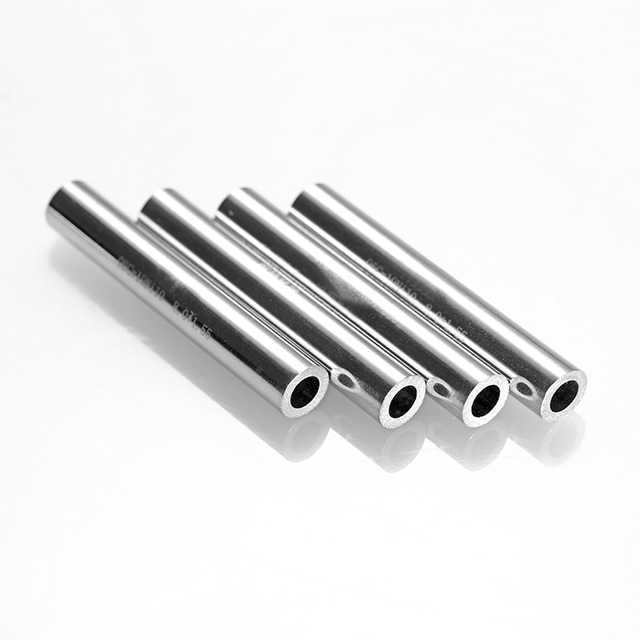
Professional seamless tube inspection requires specialized equipment calibrated to traceable standards. Investment in proper tools ensures accurate measurements and reliable defect detection.
Micrometers and Calipers: Digital tools with 0.01mm resolution for outer diameter and wall thickness verification. Required for spot-checking production lots and incoming material verification.
Ultrasonic Thickness Gauges: Non-contact measurement of wall thickness across entire tube length. Essential for nickel alloy steel seamless tube inspection where material costs justify comprehensive screening.
Optical Measuring Systems: Laser-based diameter measurement providing continuous monitoring during production. Detects ovality, eccentricity, and dimensional drift.
Straightness Gauges: Roller-based or laser systems measuring tube straightness per unit length. Critical for precision applications requiring minimal deviation.
Borescopes and Video Inspection: Flexible optical devices for internal surface examination of small-diameter tubes where direct access is limited.
Surface Profilometers: Measure surface roughness (Ra, Rz values) for applications requiring specific finish quality like stainless steel seamless tubes in pharmaceutical or food processing.
Magnetic Particle Testing Equipment: Detects surface and near-surface defects in ferromagnetic materials through magnetic field application and iron particle indication.
Ultrasonic Flaw Detectors: Identify internal defects, laminations, and inclusions through high-frequency sound wave propagation. Standard practice for critical titanium seamless tube applications.
Eddy Current Test Systems: Electromagnetic inspection detecting surface cracks, wall thickness variations, and material discontinuities without surface preparation.
Spectrometers (OES/XRF): Verify chemical composition through optical emission or X-ray fluorescence analysis. Essential for positive material identification (PMI) of specialty alloys.
Visual inspection forms the foundation of seamless tube quality assessment. Trained inspectors examine tubes under adequate lighting (minimum 1000 lux) for surface defects, marking, and overall condition.
External Surface Examination:
Longitudinal and transverse scratches exceeding acceptance criteria
Pits, dents, and mechanical damage from handling
Scale, rust, or corrosion products indicating material issues
Roll marks, die marks, or tool impressions from manufacturing
Proper manufacturer marking including heat number, size, and grade
Internal Surface Examination:
Interior cleanliness and absence of scale or contaminants
Smoothness appropriate for intended service
Evidence of internal defects like seams or laminations
Proper degreasing and passivation (for stainless grades)
Dimensional Verification: Measure outer diameter, wall thickness, and length using calibrated instruments. Compare results against purchase order specifications and applicable standards.
Acceptance Criteria Example (ASTM A269 Stainless Steel Seamless Tube):
- OD Tolerance: ±0.10mm for tubes ≤38mm OD- Wall Thickness: +20%/-10% of nominal- Length: +6mm/-0mm standard cut lengths
For super stainless steel seamless tubes and other high-performance materials, tighter tolerances typically apply based on customer specifications.
Positive Material Identification (PMI) confirms the seamless tube alloy composition matches specifications. This critical step prevents material mix-ups that could cause catastrophic service failures.
PMI Testing Methods:
X-Ray Fluorescence (XRF): Non-destructive surface analysis identifying major alloying elements in seconds. Ideal for rapid screening of large quantities. Confirms duplex steel seamless tube grade by verifying chromium, nickel, and molybdenum percentages.
Optical Emission Spectroscopy (OES): More accurate than XRF, providing precise quantification of all elements including carbon, sulfur, and phosphorus. Requires surface preparation but delivers laboratory-grade results for nickel alloy steel seamless tubes.
Chemical Analysis Certification: Review mill test reports (MTRs) providing certified chemical composition from heat analysis. Verify heat numbers stamped on tubes match MTR documentation.
Critical elements to verify by material type:
| Material Type | Key Elements to Verify | Typical Composition Ranges |
|---|---|---|
| Stainless Steel Seamless Tube (304/304L) | Cr, Ni, C, Mn, Si | Cr 18-20%, Ni 8-10.5%, C ≤0.08% |
| Stainless Steel Seamless Tube (316/316L) | Cr, Ni, Mo, C | Cr 16-18%, Ni 10-14%, Mo 2-3% |
| Duplex Steel Seamless Tube (2205) | Cr, Ni, Mo, N | Cr 21-23%, Ni 4.5-6.5%, Mo 2.5-3.5% |
| Super Stainless Steel Seamless Tube (6Mo) | Cr, Ni, Mo, N | Cr 19-21%, Ni 23-25%, Mo 6-7% |
| Nickel Alloy Steel Seamless Tube (625) | Ni, Cr, Mo, Nb | Ni ≥58%, Cr 20-23%, Mo 8-10% |
| Titanium Seamless Tube (Grade 2) | Ti, O, N, C, Fe | Ti balance, O ≤0.25%, Fe ≤0.30% |
Our products include comprehensive material certifications with full traceability to original heat analysis.
NDT methods detect internal and surface defects without damaging the seamless tube. Selection depends on material type, defect concerns, and specification requirements.
Ultrasonic Testing (UT):
The most comprehensive NDT method for seamless tubes, ultrasonic testing uses high-frequency sound waves (typically 2-10 MHz) to detect internal flaws, wall thickness variations, and laminations.
UT Inspection Procedures:
Longitudinal wave testing for internal defects and inclusions
Shear wave testing for crack detection
Through-transmission for lamination screening
Automated rotary scanning for 100% tube coverage
UT proves particularly valuable for thick-wall nickel alloy steel seamless tubes where internal defect detection justifies the inspection cost. Modern automated UT systems scan entire tube lengths at production speeds, recording defect locations and sizes digitally.
Eddy Current Testing (ECT):
Electromagnetic inspection detecting surface and near-surface defects through conductivity variations. ECT excels at finding tight cracks invisible to visual inspection and provides rapid screening of large quantities.
ECT Applications:
Heat exchanger tube inspection for corrosion and cracking
Surface crack detection in stainless steel seamless tubes
Wall thickness profiling and variation mapping
Material sorting and conductivity verification
ECT offers advantages for thin-wall tubes where UT penetration presents challenges. The technique works excellently for titanium seamless tubes given titanium's electromagnetic properties.
Magnetic Particle Testing (MT):
Surface and slightly subsurface defect detection in ferromagnetic materials through magnetic field application and iron particle indication. Limited to carbon steel and some stainless grades (but not austenitic stainless steels).
Radiographic Testing (RT):
X-ray or gamma ray imaging revealing internal defects, inclusions, and porosity. Generally reserved for critical applications due to cost, safety requirements, and throughput limitations. Valuable for super stainless steel seamless tube qualification testing.
Liquid Penetrant Testing (PT):
Surface-breaking defect detection through capillary action of penetrating dye. Simple, cost-effective method applicable to all materials including non-ferromagnetic duplex steel seamless tubes. Requires thorough surface cleaning for reliable results.
Mechanical testing verifies seamless tube strength, ductility, and hardness meet specification requirements. Testing frequencies follow ASTM standards—typically one test per heat or production lot.
Tensile Testing:
Determines ultimate tensile strength, yield strength, and elongation by pulling specimens to failure. Critical for pressure vessel and piping applications where mechanical properties directly impact safety factors.
Sample preparation involves:
Extracting specimens per ASTM E8 (metallic materials)
Machining to standardized geometry (round or flat specimens)
Testing at specified strain rates and temperatures
Recording stress-strain curves for analysis
For stainless steel seamless tubes, minimum elongation requirements ensure adequate ductility for forming, bending, and service conditions. Nickel alloy steel seamless tubes often require elevated temperature tensile testing simulating actual service conditions.
Hardness Testing:
Rapid assessment of material strength and heat treatment effectiveness. Common methods include:
Rockwell Hardness (HRB, HRC): Quick surface indentation measurement
Brinell Hardness (HB): Larger indentation suitable for coarse-grain materials
Vickers Hardness (HV): Micro-hardness testing for case depth measurement
Hardness testing provides preliminary screening before destructive tensile testing. Automated systems test multiple locations along tube length, identifying heat treatment non-uniformities.
Flattening and Flaring Tests:
Assess formability and weld integrity through mechanical deformation:
Flattening Test: Tube section compressed until opposite walls meet, demonstrating ductility without cracking
Flaring Test: Tube end expanded over conical mandrel, verifying forming characteristics
These tests prove particularly important for duplex steel seamless tubes where proper heat treatment ensures balanced austenite-ferrite microstructure.
Impact Testing (when specified):
Charpy V-notch or Izod impact tests measure material toughness at specified temperatures. Critical for low-temperature service applications and titanium seamless tube qualification for aerospace applications.
Hydrostatic testing verifies seamless tube pressure integrity by filling with water and pressurizing to specified test pressure (typically 1.5x design pressure or per ASME/API standards).
Hydrostatic Test Procedure:
Clean and cap tube ends with secure closures
Fill completely with clean water, removing all air
Pressurize gradually to test pressure
Hold pressure for specified duration (typically 5-10 seconds minimum)
Inspect for leakage, weeping, or visual distortion
Release pressure safely and drain thoroughly
Dry tubes to prevent corrosion
Tubes passing hydrostatic testing demonstrate freedom from through-wall defects and adequate wall thickness. This final verification step provides confidence before tubes enter critical service.
For super stainless steel seamless tubes and other specialty materials, non-destructive testing often substitutes for hydrostatic testing due to cost considerations, but pressure testing remains the definitive integrity verification method.
Stainless steel seamless tubes require particular attention to surface condition since passive oxide layer integrity determines corrosion resistance. Inspection focuses on:
Passivation Verification: Ensure proper passivation treatment by checking surface appearance and performing salt spray or copper sulfate testing. Incomplete passivation leaves tubes vulnerable to premature corrosion.
Sensitization Testing: For 304/304L and 316/316L grades, verify absence of chromium carbide precipitation at grain boundaries that degrades corrosion resistance. Strauss or Huey testing detects sensitization in critical applications.
Surface Finish Quality: Pharmaceutical, food processing, and semiconductor applications demand specific surface roughness values. Measure Ra values with profilometers and verify cleanliness levels through particle counting or total organic carbon (TOC) analysis.
Intergranular Corrosion Resistance: ASTM A262 practices evaluate susceptibility to intergranular attack, particularly important for welded applications and aggressive chemical environments.
Our application expertise includes specialized testing protocols for ultra-high-purity stainless steel seamless tubes serving pharmaceutical and semiconductor industries.
Duplex steel seamless tubes combine austenitic and ferritic phases, requiring unique inspection approaches:
Phase Balance Verification: Ferrite content measurement using magnetic methods or optical metallography confirms proper 40-60% austenite/ferrite balance. Imbalanced microstructure compromises mechanical properties and corrosion resistance.
Intermetallic Phase Detection: Sigma phase precipitation during improper heat treatment severely embrittles duplex alloys. Metallographic examination or hardness profiling identifies harmful phases.
Pitting Resistance Testing: ASTM G48 critical pitting temperature (CPT) testing verifies chloride resistance. Duplex grades should demonstrate CPT values above specified minimums (typically 25-40°C depending on grade).
Corrosion Testing: ASTM G28 ferric sulfate testing or ASTM A923 detects harmful intermetallic phases affecting corrosion performance.
Nickel alloy steel seamless tubes serving extreme environments require stringent quality verification:
Hot Cracking Susceptibility: Nickel-based alloys prone to solidification cracking during welding require liquid penetrant or magnetic particle inspection of heat-affected zones.
Stress Corrosion Cracking Resistance: Alloys like Alloy 600 require verification of low carbon content and proper heat treatment to resist SCC in pressurized water reactor service.
High-Temperature Properties: Creep-rupture testing and microstructural analysis verify suitability for elevated temperature applications in gas turbines, petrochemical furnaces, and nuclear reactors.
Titanium seamless tubes demand specialized handling and inspection due to material reactivity:
Surface Contamination Control: Titanium readily absorbs oxygen, nitrogen, and carbon during processing, forming brittle alpha-case layers. Metallographic examination verifies alpha-case depth remains within acceptable limits (typically <0.025mm).
Cleanliness Verification: Hydrocarbon contamination causes titanium embrittlement. Solvent cleaning and verification ensures surfaces remain contamination-free for aerospace and medical applications.
Interstitial Element Control: Oxygen, nitrogen, and carbon content directly affect titanium ductility. Chemical analysis confirms interstitial elements remain below grade-specific maximums.
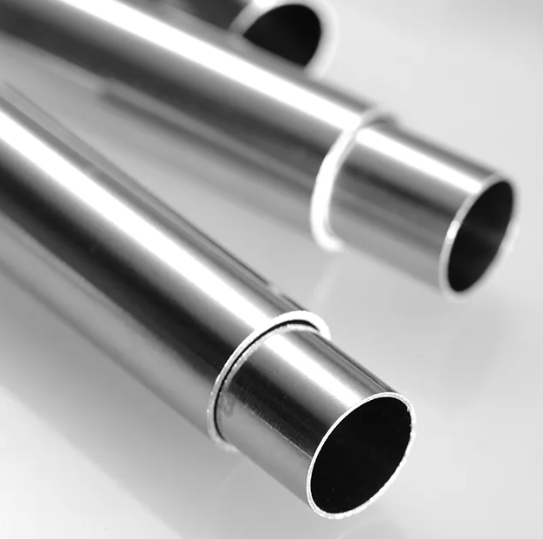
Comprehensive documentation proves seamless tube quality and provides traceability throughout product lifecycle. As a responsible seamless tube manufacturer, we maintain complete records meeting international standards.
Mill Test Reports (MTR): Complete material certification including:
Chemical composition (heat analysis and check analysis)
Mechanical properties (tensile, hardness results)
Heat treatment details and temperatures
Dimensional verification results
NDT results and acceptance criteria
Compliance statements to applicable standards
Inspection Certifications: Third-party inspection reports per EN 10204:
3.1 Certificates: Manufacturer certification with independent verification
3.2 Certificates: Independent inspection body validation
Detailed dimensional inspection reports
NDT procedure qualification records
Traceability Documentation:
Heat number markings on tubes
Production lot tracking
Raw material source documentation
Process control records
Compliance Certifications:
ASME code compliance statements
API certifications for oil and gas applications
PED (Pressure Equipment Directive) for European markets
Material safety data sheets (MSDS/SDS)
About our company: We maintain ISO 9001:2015 certification and provide complete documentation packages supporting global project requirements.
Understanding typical seamless tube defects helps establish appropriate inspection priorities and acceptance standards.
| Defect Type | Description | Detection Method | Typical Acceptance Criteria |
|---|---|---|---|
| Seams | Longitudinal surface defects from piercing | Visual, MT, PT | Depth <10% wall thickness |
| Laminations | Internal planar separations | UT, RT | Not permitted in critical areas |
| Pits | Localized metal loss from corrosion or inclusions | Visual, UT | Depth <12.5% wall thickness |
| Scratches | Surface gouges from handling/production | Visual, PT | Depth <5% wall thickness |
| Cracks | Linear fractures from thermal/mechanical stress | PT, MT, ECT | Not acceptable (reject) |
| Inclusions | Non-metallic impurities in material | UT, RT, metallography | Size/distribution per standard |
| Ovality | Out-of-round cross-section | Diameter measurement | ≤1% OD for precision tubes |
| Wall Thickness Variation | Eccentric or thin areas | UT thickness gauging | ±10-12.5% nominal per ASTM |
Acceptance criteria vary by application severity. Nuclear, aerospace, and high-pressure applications impose stricter limits than general industrial uses. Consult applicable codes (ASME Section III, ASTM specifications) for definitive acceptance standards.
Ensuring seamless tube quality begins with supplier selection. Evaluate potential manufacturers using these criteria:
Quality System Certification: ISO 9001, API, ASME stamps, and PED certification demonstrate commitment to quality management.
Testing Capabilities: In-house laboratories with calibrated equipment, qualified personnel, and test procedure documentation reduce dependency on third-party testing.
Production Technology: Modern manufacturing equipment (rotary piercers, cold pilger mills, precision cold drawing) produces more consistent quality than outdated facilities.
Material Traceability: Robust systems tracking heat numbers through production ensure accurate documentation and rapid recall capability if issues arise.
Technical Support: Engineering expertise helping select optimal materials, specifications, and testing protocols for your application.
Our services and support include technical consultation, material selection guidance, and custom testing protocols meeting project-specific requirements.
Organizations procuring seamless tubes should establish systematic inspection programs balancing quality assurance with cost-effectiveness:
Risk-Based Inspection: Allocate inspection resources based on application criticality, service severity, and failure consequences. High-risk applications justify 100% volumetric testing while lower-risk uses accept sampling inspection.
Supplier Audits: Periodically audit seamless tube manufacturer facilities verifying quality systems, calibration programs, and process controls. Establish approved supplier lists based on performance history.
Incoming Inspection Protocols: Define clear acceptance criteria, sampling plans, and testing requirements for received material. Reject non-conforming products immediately before they enter inventory.
Documentation Management: Maintain organized files of MTRs, inspection reports, and certifications. Digital systems with searchable databases improve traceability and regulatory compliance.
Continuous Improvement: Track defect trends, supplier performance metrics, and inspection findings. Use data analytics identifying quality issues before they impact operations.
Seamless tube inspection continues evolving with technological advancement:
Automated Visual Inspection: Machine vision systems with artificial intelligence detect surface defects faster and more consistently than human inspectors. Deep learning algorithms recognize complex defect patterns.
Inline Process Monitoring: Real-time diameter measurement, wall thickness profiling, and surface inspection during production enable immediate correction rather than downstream rejection.
Digital Radiography: Faster than film radiography with digital image processing enhancing defect detectability in super stainless steel seamless tubes and specialty alloys.
Phased Array Ultrasonic Testing: Electronic beam steering allows comprehensive volumetric inspection with detailed defect characterization and imaging.
Electromagnetic Acoustic Transducers (EMAT): Non-contact ultrasonic testing without coupling agents, ideal for hot tubes or titanium seamless tube inspection where surface preparation is problematic.
Proper seamless tube inspection protects your operations through early defect detection, material verification, and compliance assurance. Whether specifying stainless steel seamless tubes for pharmaceutical plants, duplex steel seamless tubes for offshore platforms, or nickel alloy steel seamless tubes for refinery service, implementing comprehensive inspection protocols ensures product reliability.
This guide has provided industry professionals with actionable inspection methodologies covering visual examination, dimensional verification, material testing, non-destructive evaluation, and documentation requirements. Understanding material-specific considerations for super stainless steel seamless tubes and titanium seamless tubes helps tailor inspection programs to unique application requirements.
As a trusted seamless tube manufacturer, we encourage customers to actively participate in quality verification through witness testing, factory audits, and collaborative development of project-specific inspection criteria. This partnership approach consistently delivers superior results compared to passive material acceptance.
By selecting qualified suppliers, implementing risk-based inspection strategies, and maintaining rigorous documentation practices, you'll establish reliable seamless tube supply chains supporting your critical operations. Quality inspection represents not just a compliance obligation but a strategic investment in operational excellence, safety, and long-term asset integrity.
Q1: What is the difference between seamless tube inspection and welded tube inspection?
Seamless tube inspection focuses on manufacturing defects like seams, laminations, and inclusions from the piercing and drawing process, while welded tube inspection emphasizes weld seam integrity, fusion quality, and heat-affected zone properties. Seamless tubes require volumetric testing (UT/RT) for internal defects, whereas welded tubes need focused examination of the longitudinal weld line using UT, RT, or ECT.
Q2: How often should seamless tubes be inspected during manufacturing?
Industry standards require inspection at key production stages: raw material verification (chemical analysis, dimensions), post-heat treatment (mechanical properties, hardness), after final sizing (dimensions, surface finish), and before shipment (final visual, hydrostatic testing). Critical applications may require 100% testing while standard products use statistical sampling per ASTM or ASME codes.
Q3: What NDT method is best for detecting internal defects in seamless tubes?
Ultrasonic testing (UT) is the most effective method for detecting internal defects, laminations, and inclusions in seamless tubes. UT provides excellent sensitivity to volumetric flaws, works on all materials including nickel alloy steel seamless tubes and titanium seamless tubes, and allows automated 100% inspection at production speeds. Radiographic testing offers superior defect imaging but lower throughput.
Q4: Can I rely solely on mill test reports without additional inspection?
Mill test reports provide certified material properties and traceability but represent sampling inspection, not 100% verification. For critical applications (ASME pressure vessels, nuclear service, aerospace), independent third-party inspection or receiving inspection is recommended. Lower-risk applications from qualified seamless tube manufacturers with proven quality history may accept MTRs with periodic verification audits.
Q5: What surface finish should I specify for stainless steel seamless tubes?
Surface finish specifications depend on application requirements. General industrial uses accept standard mill finish. Food/pharmaceutical applications typically require 150 grit or finer mechanical polish or electropolishing (Ra ≤0.4-0.8 μm). Semiconductor and ultra-high-purity applications may demand Ra ≤0.2 μm with documented cleanliness verification. Consult industry standards like 3-A Sanitary Standards or SEMI specifications for application-specific requirements.
For comprehensive information about our seamless tube manufacturing capabilities, quality control processes, and technical support services, visit SSTUBECN or explore our complete product range including specialized alloys for demanding applications.


