
- Home
- Products
- About Us
- Quality
- Application
- Services & Support
- Blogs
- Contact
Views: 0 Author: Site Editor Publish Time: 2025-11-13 Origin: Site


Pipes are the lifeblood of industries, transporting fluids and gases across critical systems. But how do you choose the right pipe for your needs?
In this article, we will explore the key differences between seamless pipes and normal (welded) pipes. You'll learn when to choose seamless pipes for maximum performance and reliability.
Seamless pipes are highly regarded for their exceptional strength, reliability, and versatility. Unlike welded pipes, seamless pipes are manufactured from solid steel billets and undergo a specific process to create a continuous, seamless tube. This construction process ensures that they perform exceptionally well in high-pressure and high-temperature applications.
The production of seamless pipes begins with solid steel billets, which are heated in a rotary furnace until they reach a high temperature. The heated billets are then pierced through the center using a special tool called a piercer. This creates a hollow tube. The tube is then stretched and rolled to achieve the desired diameter and wall thickness. Unlike welded pipes, seamless pipes do not have any weld seams, eliminating potential weak points along the length of the pipe.
The absence of a weld seam is one of the primary reasons seamless pipes are favored in industries where reliability and performance are critical.
Higher Strength: Seamless pipes have superior strength compared to welded pipes. Because they lack a weld seam, they are more resistant to the pressures that can cause welds to fail. This makes them ideal for high-pressure applications, such as oil and gas drilling, power plants, and chemical processing.
Better Corrosion Resistance: Without the weld seam, seamless pipes have a smoother, more continuous surface, reducing the risk of corrosion that typically occurs along the welds of welded pipes. This makes seamless pipes more suitable for environments where corrosion resistance is essential.
Superior Pressure Capacity: Seamless pipes can handle much higher pressure than welded pipes of the same material grade and size. This high pressure tolerance makes them indispensable in critical applications, especially in industries dealing with fluids or gases at extreme pressures.
Seamless pipes are commonly used in industries where performance is key and where high pressure and temperature tolerance is necessary:
Oil & Gas: Seamless pipes are used extensively in the oil and gas industry, particularly in upstream operations such as drilling and exploration, where high-pressure systems are required to transport oil and gas.
Chemical Processing: These pipes are used to transport chemicals, steam, and fluids in chemical processing plants, especially in applications that involve harsh chemicals and high temperatures.
Power Generation: In power plants, seamless pipes are used to transport steam and other fluids under high-pressure conditions, ensuring the efficient operation of the plant.
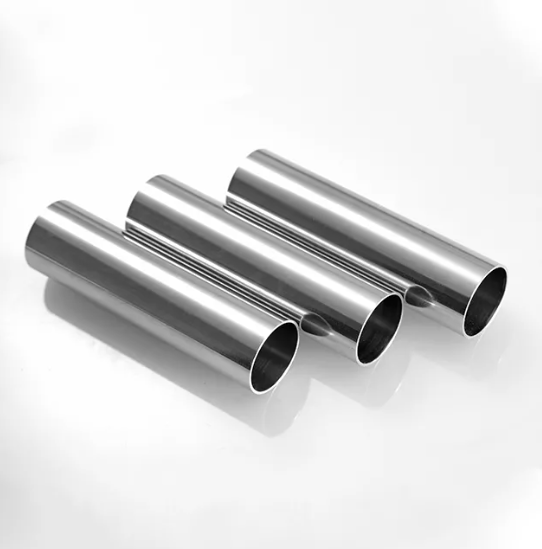
While seamless pipes are known for their strength and durability, welded pipes are more cost-effective and are suitable for applications where high performance is not a critical requirement. Welded pipes are made by joining steel sheets or coils along their edges through a welding process.
Welded pipes are made by rolling steel sheets or coils into a cylindrical form. The edges of the sheet are then welded together using an electric current, forming a continuous pipe with a visible seam along its length. Unlike seamless pipes, welded pipes have a seam, which can be a potential weak point under certain conditions.
The manufacturing process of welded pipes is relatively simpler and more cost-effective than seamless pipes, making them a popular choice for various applications.
Cost-Effective: Welded pipes are more affordable compared to seamless pipes. Their production process is less labor-intensive, and the materials used are typically less expensive, making them a great option for projects where cost is a priority.
Longer Lengths: Welded pipes can be produced in longer lengths without the manufacturing constraints faced by seamless pipes. This makes them a good option for applications that require pipes of significant length.
Faster Production: The manufacturing process for welded pipes is faster, meaning they are available in shorter lead times compared to seamless pipes. This can be an important factor when time is of the essence.
Welded pipes are widely used in applications that do not require high pressure or resistance to extreme conditions:
Water and Gas Transport: Welded pipes are commonly used in municipal water supply systems and natural gas pipelines, where pressure and temperature conditions are moderate.
Low-to-Medium Pressure Systems: They are also suitable for general industrial applications, such as construction, heating systems, and various fluid transport systems.
Understanding the key differences between seamless and welded pipes can help guide your decision-making process when choosing between the two types. Let’s take a look at some of the most important distinctions.
Seamless pipes are designed to handle higher pressures and harsh conditions. Their lack of a weld seam allows them to withstand greater physical stress, making them ideal for high-pressure systems like those found in the oil and gas industry.
Welded pipes, on the other hand, can have weaknesses at the weld seam, which might make them less suitable for high-pressure applications. The weld seam can be a point of failure under certain conditions, especially if exposed to intense pressure or harsh environments.
Seamless pipes have superior corrosion resistance because they do not have welded seams. The smooth, continuous surface makes them less susceptible to environmental factors like moisture, chemicals, and extreme temperatures, which can cause rusting and degradation in welded pipes.
Welded pipes are more prone to corrosion at the weld seam, which can weaken the entire pipe over time. If the weld is not properly treated or maintained, it may deteriorate faster than the rest of the pipe.
Welded pipes are generally more affordable due to their simpler manufacturing process. The production time is also shorter, which makes them a cost-effective choice for applications that don’t require the extreme strength and durability of seamless pipes.
Seamless pipes tend to be more expensive because of the labor-intensive production process. However, their performance in high-pressure environments and their longevity often justify the higher cost in critical applications.
| Feature | Seamless Pipe | Welded Pipe |
|---|---|---|
| Manufacturing Process | Made from solid steel billets without welding | Made by welding steel sheets or coils |
| Strength | Higher strength, no weld seam | Weaker due to the presence of weld seam |
| Corrosion Resistance | Superior resistance due to smooth surface | More susceptible to corrosion at the weld seam |
| Pressure Capacity | Handles higher pressure | Lower pressure tolerance |
| Cost | More expensive due to labor-intensive production | More affordable due to simpler process |
| Production Time | Longer production time | Faster production and delivery |
| Typical Applications | High-pressure, high-temperature systems | Low-to-medium pressure applications |
Seamless pipes are the preferred choice in situations where performance, durability, and safety are the top priorities. Below are some situations where seamless pipes are the better option.
For systems that operate under high-pressure conditions, such as oil and gas pipelines or chemical reactors, seamless pipes are the optimal choice. Their ability to handle higher pressures without failure ensures the safety and efficiency of the operation.
Seamless pipes are ideal for industries where the pipes are exposed to harsh chemicals, extreme temperatures, or corrosive environments. Their superior resistance to corrosion and high-pressure capacity makes them well-suited for such challenging applications.
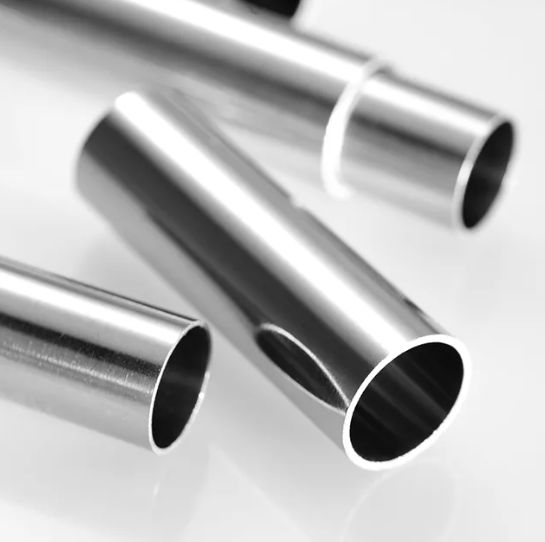
Choosing seamless pipes for demanding applications offers significant advantages over welded pipes, especially in terms of performance, reliability, and safety.
Seamless pipes are essential in industries like petrochemical processing and power generation, where performance is crucial. Their ability to withstand extreme conditions without failure makes them the preferred choice in applications that require reliable and safe systems.
The lack of a weld seam in seamless pipes reduces the risk of failure due to corrosion or mechanical stress. This makes them ideal for use in critical systems where pipe failure could lead to significant safety hazards or operational downtime.
Seamless pipes are indispensable in industries that demand superior strength, reliability, and performance. Below are some of the most common applications of seamless pipes.
In the oil and gas industry, seamless pipes play a critical role in transporting oil and gas over long distances, especially in high-pressure environments. These pipes are essential in control lines, fluid transportation, and for use in high-pressure pipelines. The ability of seamless pipes to withstand the extreme pressures found in deepwater drilling and extraction makes them an ideal choice for these applications. Their durability and strength ensure that they can perform reliably even under challenging conditions, reducing the risk of pipe failure and enhancing the overall safety of operations.
Seamless pipes are particularly valued in offshore drilling and exploration, where environmental conditions and pressure demands are often extreme. The absence of a weld seam means that seamless pipes offer greater strength, which is crucial when dealing with high-pressure fluids or gases found in deep reservoirs.
In the chemical processing sector, seamless pipes are commonly used for transporting aggressive chemicals, steam, and high-pressure fluids. These pipes ensure the safe and efficient transfer of hazardous or corrosive substances, making them essential in environments where reliability and safety are paramount. The smooth, continuous surface of seamless pipes reduces the risk of corrosion, which is particularly important in environments where exposure to harsh chemicals can quickly degrade other materials.
For the pharmaceutical industry, seamless pipes are crucial for applications where product purity and safety are essential. These pipes are used to transport high-pressure fluids within pharmaceutical manufacturing processes, where contamination or corrosion could compromise product quality. The resistance to corrosion and the strength of seamless pipes make them a trusted choice for critical systems in these industries, ensuring that the transportation of sensitive materials remains uncompromised.
Seamless pipes are commonly used in power plants to transport steam, hot water, and other fluids under high-pressure and high-temperature conditions. These pipes are integral to the operation of energy systems, as they help maintain the continuous flow of fluids necessary for generating power. Seamless pipes' ability to handle extreme temperatures and pressures ensures that the power plant runs efficiently and safely.
In power plants, the use of seamless pipes is particularly important in systems such as steam turbines and boilers, where high-pressure fluids are integral to the process. Their resistance to heat and pressure means they can perform reliably over long periods, reducing the need for frequent maintenance and minimizing the risk of equipment failure. This makes seamless pipes a critical component in the sustainable operation of power plants, contributing to both safety and efficiency.
| Industry | Application | Benefits of Seamless Pipe |
|---|---|---|
| Oil and Gas | Drilling, exploration, high-pressure pipelines | High-pressure tolerance, durability in harsh conditions |
| Chemical Processing | Transporting chemicals, steam, and fluids | Corrosion resistance, reliable performance under high temperatures |
| Power Generation | Transporting steam and fluids | Can withstand extreme pressures and temperatures |
| Pharmaceuticals | Critical applications requiring purity | Avoids contamination, ensures reliable performance under pressure |
| Automotive | Fuel and exhaust systems | High strength, can handle extreme environments |
When selecting pipes for industrial applications, understanding the differences between seamless and welded pipes is essential. Seamless pipes provide superior strength, durability, and pressure resistance, making them the ideal choice for high-pressure and critical applications. While welded pipes offer a more affordable and faster option for less demanding applications, seamless pipes excel in environments where safety, performance, and reliability are non-negotiable.
For industries that require high-performance piping solutions, Huashang Steel offers a range of seamless pipes designed to meet the toughest standards. Their products provide unparalleled strength and reliability, ensuring smooth operations in critical industries like oil & gas, power generation, and chemical processing. With Huashang Steel, you can rely on durable, efficient piping that maximizes your system's performance and minimizes downtime.
A: A seamless pipe is a type of pipe manufactured without welded seams, made from solid steel billets that are heated and formed into a hollow tube. This process ensures higher strength and pressure resistance compared to welded pipes.
A: Seamless pipes offer superior strength and can withstand higher pressures due to the absence of weak weld seams. This makes them ideal for high-pressure systems in industries like oil & gas and chemical processing.
A: Seamless pipes have higher strength, better corrosion resistance, and superior pressure capacity compared to welded pipes, making them suitable for demanding applications in harsh environments.
A: Yes, seamless pipes are typically more expensive than welded pipes because they require a more complex and labor-intensive manufacturing process. However, they provide better performance and durability in critical applications.
A: Seamless pipes should be used when high pressure, corrosion resistance, and durability are required, such as in the oil & gas, power generation, and chemical industries.


