
- Home
- Products
- About Us
- Quality
- Application
- Services & Support
- Blogs
- Contact
Views: 0 Author: Site Editor Publish Time: 2026-04-30 Origin: Site


Can Stainless Steel Tubing bend without cracking, kinking, or losing strength?
Yes, it can, but the right setup matters.
Stainless steel is stronger than copper or aluminum, so bending takes more control.
You need the right grade, tool, bend radius, and technique.
Bent stainless steel tubing is common in heat exchangers, instrumentation, marine systems, boilers, and chemical processing.
In this post, you’ll learn why it bends and which methods work best.
You’ll also learn how to avoid springback, wall thinning, and costly bending mistakes.
Yes, Stainless Steel Tubing can be bent. The real question is not “can you bend stainless steel tubing,” but how well it can be bent. The answer depends on grade, wall thickness, tube diameter, bend radius, and bending method. When these factors match, the tube can form clean bends for industrial use.
Many buyers choose austenitic grades for bending work. Grades such as 304 stainless steel tubing and 316L stainless steel tubing have good ductility. They can stretch during forming before they crack. That makes them useful for fluid lines, heat exchangers, marine systems, and instrumentation tubing.
For most projects, you should not try to bend stainless steel tubing by force alone. It needs the right tool, such as a hand tube bender, bench bender, or mandrel bender. For thin-wall tubing or tight bends, internal support becomes more important. This helps keep the tube round and reduces collapse risk.
Huashang Steel’s stainless steel seamless tubing includes bendable grades such as 304, 316L, 321, and 317L. Its tubing is also described as having good cold forming performance. That matters because bending stainless steel tube often happens at room temperature in industrial fabrication.
Stainless steel is stronger than copper, aluminum, or many carbon steels. That strength is useful in service, but it makes bending harder. The operator needs more force, better control, and stronger tooling. If the tool is too light, the bend may become uneven.
Another issue is work-hardening. As stainless steel forms, it becomes harder in the bent area. If you bend it too much, then try to correct it, cracking may happen. That is why overbending or repeated adjustment should be controlled.
Springback also needs attention. After pressure is released, stainless steel tends to move slightly back. So the final angle may be less than expected. In practice, fabricators often bend a little past the target angle.
Some stainless steel tubing bends smoothly. Some fights back from the first pull. The difference usually comes from size, wall support, material condition, and radius. Here is a simple way to judge the job before cutting material.
Bending Condition | Easier to Bend | More Difficult to Bend |
Outer diameter | Smaller OD tubing | Large-diameter tubing |
Wall thickness | Balanced wall thickness | Very thin wall |
Bend radius | Larger, gentle radius | Very tight radius |
Material condition | Ductile, properly annealed tube | Work-hardened material |
Tooling | Correct die and tube bender | Poorly matched tooling |
A smaller tube usually bends more easily. It needs less force and can often fit standard tube benders. A suitable wall thickness also helps the tube hold its shape. This reduces the chance of kinking, flattening, or inside-radius wrinkles.
A larger tube is harder to control. It may need a bench top bender, rotary draw bender, or mandrel bending system. If the wall is very thin, it may collapse during a tight bend. If the tube has already work-hardened, it becomes even less forgiving.
The safest approach is to plan the bend before production. Check the tube grade, OD, wall thickness, and required bend radius. Then match them to the right bending process. This small step saves scrap, labor, and fitting problems later.
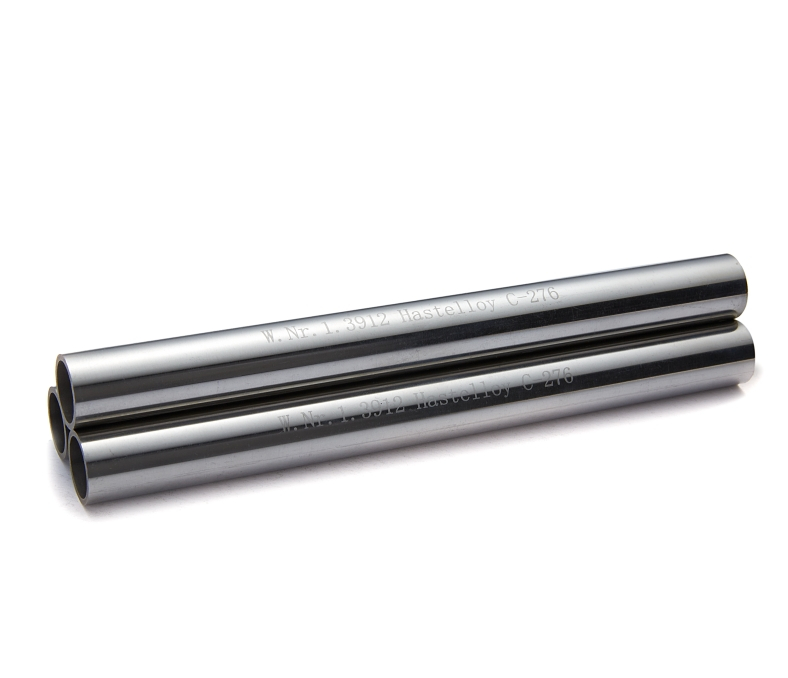
Not every piece of Stainless Steel Tubing bends the same way. The result depends on the grade, wall thickness, tube size, bend radius, and forming quality. If one factor is wrong, the tube may kink, wrinkle, flatten, or crack during bending. For B2B buyers, these details matter before production, not after installation problems appear.
The first thing to check is the stainless steel grade. Some grades stretch better before they break, so they handle bending more safely. This is why 304 stainless steel tubing and 316 stainless steel tubing are common choices. They belong to the austenitic stainless steel family, known for good ductility.
304 Stainless Steel Tubing is a practical option for general industrial bending. It offers a good balance of corrosion resistance, strength, and formability. For many fluid systems, equipment lines, and structural parts, it works well.
316L Stainless Steel Tubing is better for harsher service conditions. It is often used in marine systems, chemical processing, and chloride-rich environments. The low-carbon “L” version also helps reduce corrosion risks after welding or fabrication.
Other grades can also be bent, depending on the project. 321 stainless steel tubing is useful where heat resistance matters. 317L stainless steel tubing can support stronger corrosion resistance in demanding chemical settings.
Grade | Bendability | Common Use Case |
304 | Good | General industrial tubing and equipment lines |
316L | Good | Marine, chemical, and corrosive environments |
321 | Moderate to good | High-temperature systems |
317L | Moderate to good | Stronger corrosion resistance applications |
Wall thickness has a direct effect on bending performance. A thicker wall usually gives the tube more support during bending. It resists collapse better, especially when the bend radius is not very large.
Outer diameter also changes the bending difficulty. A larger tube needs more force and better tooling. A small tube can often bend well through a hand tube bender.
A useful concept here is wall factor. It is simple enough to remember:
Wall Factor = Tube Outside Diameter / Wall Thickness
A high wall factor means the wall is thin compared to the tube size. Thin-wall tubing is more likely to wrinkle, kink, or collapse. For tight bends, it may need mandrel support inside the tube.
Think of it like bending a paper straw versus a thick rubber hose. The straw folds quickly because the wall gives little support. Stainless steel is much stronger, but the same basic logic applies.
The bend radius is the curved distance from the bend centerline. It tells you how tight or wide the bend will be. A larger bend radius is usually easier, safer, and cleaner.
For many stainless steel tubing projects, a common rule is simple. The minimum bend radius stainless steel tubing often starts near three times the tube diameter. This is not a fixed law, but it is a useful starting point.
The final bend radius for stainless steel tubing depends on several factors:
● The material grade affects how far the tube can stretch safely. 304 and 316L usually bend better than harder, less ductile grades. Still, every project should match the grade to the environment and bend design.
● The wall thickness affects support during forming. A thicker wall can handle more stress during bending. A thin wall may need mandrel bending to protect the tube shape.
● The equipment affects bend quality. A correct die, roller, or mandrel helps control deformation. Poor tooling can damage even high-quality Stainless Steel Tubing.
Cold forming means the tube can be shaped at room temperature. For many buyers, this is the preferred bending method. It avoids heating equipment, reduces surface oxidation, and keeps production cleaner.
Good cold forming performance comes from stable material and processing control. Cold rolling, cold drawing, and heat treatment all help the tube behave more evenly. They reduce the risk of cracking, uneven springback, and sudden deformation.
Huashang Steel’s stainless steel seamless tubing is described as having good cold forming performance. Its product range includes bendable grades such as 304, 316L, 321, and 317L. This makes it suitable for heat exchangers, instrumentation, marine systems, and chemical processing lines.
For industrial use, ask the supplier about bend radius, wall thickness, and grade limits early. It saves time, reduces scrap, and helps the fabricator choose the right tooling. A small check before bending can prevent a costly tube failure later.
Choosing the right method depends on tube size, wall thickness, bend radius, and accuracy needs. For Stainless Steel Tubing, the goal is not just making a curve. It is keeping the tube round, clean, and strong after forming. The wrong method can cause kinks, wrinkles, wall thinning, or poor fitting alignment.
Bending Method | Best For | Main Benefit | Common Risk |
Hand tube bender | Small tubing | Simple field bends | Limited size range |
Bench top tube bender | Small to medium tubing | Better repeatability | Needs calibration |
Mandrel bending | Thin-wall or tight bends | Prevents collapse | Requires special tooling |
Rotary draw bending | Precision industrial bends | High accuracy | Higher setup cost |
Roll bending | Large curves | Smooth sweeping radius | Not for tight angles |
Hot bending | Difficult large bends | Easier forming force | More cleaning needed |
A hand tube bender is a manual tool for controlled tube bends. It uses handles, a die, and angle marks to guide the tube. It works best for small-diameter Stainless Steel Tubing, especially instrumentation tubing. If you ask how to bend stainless steel tubing on site, this is often the first tool to consider.
It is suitable for simple 45-degree, 90-degree, and 180-degree bends. A 90 degree bend stainless steel tubing layout is common in panels, fluid lines, and compact equipment. The operator should measure from the tube centerline, mark clearly, then bend slowly. Small errors matter because stainless steel has springback after release.
A bench top tube bender gives more stability than a hand tool. It is fixed on a workbench, so the bend is easier to control. This method suits small to medium tubing where repeatable bends are needed. It is useful for workshops, maintenance teams, and batch fabrication.
The main advantage is consistency. Once the setup is correct, each bend can follow the same angle and radius. Still, calibration is important because stainless steel springs back after bending. Many operators test one sample first, check the angle, then adjust the bending setting.
Mandrel bending stainless steel tubing uses internal support inside the tube. The mandrel holds the tube wall during bending. This helps prevent kinking, flattening, wrinkling, and wall collapse. It is especially useful for thin-wall tubing or tight-radius bends.
Rotary draw bending is another precision method. The tube is clamped, then drawn around a shaped die. It works well for industrial tubing systems, tight tolerance parts, and repeated production. For stainless steel, it gives better control over angle, radius, and tube shape.
Huashang Steel supplies stainless steel seamless tubing in bendable grades such as 304, 316L, 321, and 317L. Its good cold forming performance helps fabricators reduce cracking and deformation risks during controlled bending. This makes it practical for heat exchangers, instrumentation, marine systems, and chemical processing lines.
Roll bending stainless steel tubing is used for large-radius curves. Instead of forming a sharp angle, it creates a smooth sweeping curve. It is common for frames, coils, curved rails, and structural designs. It is not the best option for short, tight bends.
Cold bending stainless steel tubing is more common for standard projects. It happens at room temperature, so no heating equipment is required. The surface usually stays cleaner, and finishing work is reduced. For most Stainless Steel Tubing bends, cold bending is the cleaner choice.
Hot bending stainless steel tubing is used when the job is harder. It can help when the tubing is large, the bend is tight, or the material resists forming. However, it is more complex and often more costly. It may also require cleaning, pickling, or surface treatment after bending.
A: Yes, small Stainless Steel Tubing can be bent by hand using a proper hand tube bender. Freehand bending is not recommended because it may cause kinking or uneven deformation.
A: Use a hand tube bender for small tubing, a bench top tube bender for repeatable bends, and mandrel bending for thin-wall or tight-radius tubing.
A: Austenitic grades like 304 and 316L are commonly used because they offer good ductility.
A: It depends on grade, wall thickness, diameter, and bend radius. Slight overbending is usually needed.
A: Yes, 304 stainless steel tubing bends well due to its ductility and corrosion resistance.
Yes, Stainless Steel Tubing can be bent with the right material and method.
Choose ductile grades like 304 or 316L. Use the correct tube bender and control bend radius carefully. Plan for springback to avoid poor fit-up.
Good bending also prevents kinking, flattening, and side-load.
For industrial use, choose tubing with stable dimensions, good cold forming performance, and reliable inspection support.
Huashang Steel provides stainless steel tubing for bending, heat exchangers, instrumentation, marine systems, and chemical processing.


