
- Home
- Products
- About Us
- Quality
- Application
- Services & Support
- Blogs
- Contact
Views: 0 Author: Site Editor Publish Time: 2026-04-27 Origin: Site


Stainless steel tubing is essential in many industries, from plumbing to automotive manufacturing. But cutting it can be challenging. Its hardness and strength require the right tools and techniques.
In this article, we’ll guide you through the best methods for cutting stainless steel tubing. You’ll learn which tools to use, tips for precision cuts, and how to avoid common mistakes.
Whether you’re working on a small DIY project or an industrial application, this guide will help you achieve clean and accurate cuts with ease.
Stainless steel tubing is a versatile material widely used across various industries, from construction and automotive to chemical processing and industrial manufacturing. Due to its unique properties, stainless steel tubing is often the material of choice for applications requiring strength, durability, and corrosion resistance.
Stainless steel tubing is used for both structural and functional purposes in many sectors. Here are some key applications:
● Construction: Stainless steel tubing is commonly used in structural frameworks, handrails, and architectural features due to its high strength and aesthetic appeal.
● Industrial: It’s essential for conveying fluids and gases, including in systems like heat exchangers, water treatment, and air conditioning.
● Chemical: It’s widely used for piping in corrosive environments, handling harsh chemicals or high-pressure substances.
● Automotive: Stainless steel tubing is used in exhaust systems, fuel lines, and other critical automotive parts that require both strength and resistance to heat.
These applications leverage the durability and resistance of stainless steel tubing to withstand environmental stress and maintain functionality over time.
There are several types of stainless steel tubing, each suited to specific applications. The most common include:
● Seamless Tubing: Manufactured without a seam or weld, seamless tubing is strong and resistant to pressure, making it ideal for high-stress applications.
● Welded Tubing: This type of tubing is created by welding the edges of a metal strip, offering a more cost-effective solution for less demanding applications.
● Decorative Tubing: Often used in consumer products, decorative stainless steel tubing adds a sleek, modern look while maintaining strength and corrosion resistance.
● Heat Exchange Tubes: Designed to handle extreme temperatures, heat exchange tubes are crucial in systems like radiators, cooling towers, and boilers.
Each type of tubing is engineered for specific needs. For example, seamless tubes are best for applications requiring high pressure and stress resistance, while decorative tubes are chosen for aesthetic purposes without compromising strength.
Cutting stainless steel tubing presents unique challenges. Understanding the material's properties can help ensure clean and precise cuts. Here are key factors to consider:
● Corrosion Resistance: Stainless steel’s natural resistance to corrosion makes it ideal for use in harsh environments. However, cutting it improperly can damage the surface, reducing its ability to resist rust.
● Strength: Stainless steel is known for its high tensile strength, which makes cutting more challenging. Tools and techniques must be carefully chosen to maintain structural integrity during the cutting process.
● Durability: Its toughness makes stainless steel tubing less likely to deform, but it also means you need specialized tools, like band saws or tube cutters, to avoid damaging the material during the cutting process.
When cutting stainless steel, it's crucial to use sharp tools designed for the material to avoid work hardening, where the steel becomes harder during the cutting process. Proper techniques, such as slow cutting speeds and using the right lubricant, can prevent damage to the material's surface and ensure a clean finish.
Type of Tubing | Key Applications | Best Cutting Method |
Seamless Tubing | High-pressure, high-stress systems | Tube Cutter, Band Saw |
Welded Tubing | Cost-effective, lower-pressure applications | Hacksaw, Angle Grinder |
Decorative Tubing | Consumer products, aesthetic use | Hacksaw, Pipe Cutter |
Heat Exchange Tubes | Boilers, radiators, cooling towers | Plasma Cutter, Band Saw |
By understanding the specific characteristics of stainless steel tubing, including its strength, resistance to corrosion, and durability, you can select the appropriate cutting methods for your project, ensuring both efficiency and safety.
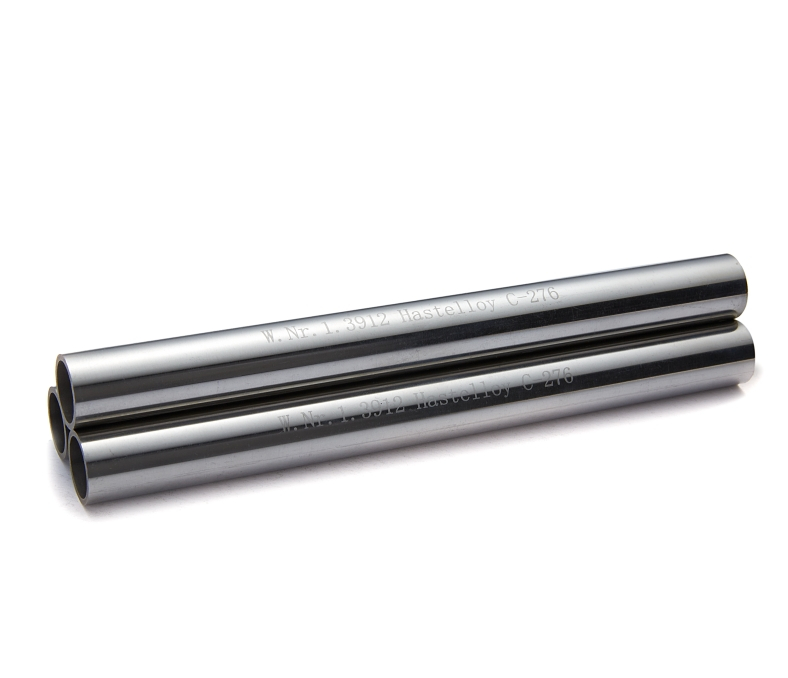
Cutting stainless steel tubing requires the right tools and techniques. The material's strength and hardness mean that using improper methods could result in uneven cuts or damage to the tubing. Below, we’ll explore the essential tools you’ll need for clean, precise cuts and offer step-by-step guidance for each method.
A tube cutter is a popular choice for precise, clean cuts, especially for small diameter tubing. It’s simple to use, with minimal risk of deforming the tubing.
● Benefits:
○ Ensures clean, square cuts without creating burrs.
○ Best suited for thin-walled tubing (ideal for sizes under 2 inches in diameter).
○ Minimal heat generation ensures the material retains its strength and corrosion resistance.
● Recommended Product: RIDGID 35S Stainless Steel Tubing Cutter. This cutter is a reliable option for professionals and DIYers alike, offering smooth operation for both thin and medium-walled tubing.
A hacksaw is one of the most common tools for cutting stainless steel tubing, especially for DIY projects or occasional use. While it’s effective, there are some limitations to keep in mind.
● Pros:
○ Affordable and readily available.
○ Suitable for cutting small to medium-sized tubing.
● Cons:
○ Requires significant effort and time, especially with thicker walls.
○ Can produce uneven cuts or burrs if not used carefully.
Tip: Use a fine-tooth blade (24-32 TPI) designed specifically for stainless steel. Apply steady pressure to keep the cut straight.
When you need to cut thicker stainless steel tubing, an angle grinder is an excellent tool. It's best for quick cuts in larger diameter tubing or industrial applications where precision is less critical.
● Choosing the Right Wheel: Ensure you use a steel-rated grinding wheel or abrasive disc specifically for stainless steel. The correct wheel will minimize heat buildup and prevent contamination.
● Ideal Use: Great for cutting tubing that’s too thick for a hacksaw but not as thick as what requires a plasma cutter.
For industrial environments or cutting thicker stainless steel tubing, a band saw is an excellent option. It can handle high-volume cutting with more precision than an angle grinder.
● Blade Types:
○ Bi-metal blades are ideal for stainless steel as they provide strength and flexibility.
○ TPI (Teeth per Inch): Choose a blade with a lower TPI for thicker material to ensure smooth cutting.
● Saw Speed: Maintain a steady cutting speed of 60 m/min for clean, straight cuts.
If you’re working with heavy-duty stainless steel tubing, a plasma cutter offers high-precision, quick cuts. This method is ideal for thicker materials or when you need to make complex cuts.
● Safety Considerations: Always wear protective gloves and goggles. The plasma cutter produces a high-temperature arc, which can be dangerous if not used with caution.
● Tip: Keep the torch head 1.5-2 inches away from the surface for a clean cut and to avoid heat distortion.
For cutting stainless steel tubing with minimal burrs, a pipe cutter is the way to go. These tools are especially useful for small to medium-sized tubing and ensure a neat, square cut.
● Recommended Use: Pipe cutters are best for tubing up to 2 inches in diameter. Their ability to avoid deformation makes them a go-to tool in industries requiring high precision.
Before you begin cutting, always mark the tubing clearly using a permanent marker or scribe. A straight edge or measuring tape will help ensure accuracy.
● Why It Matters: Clear markings help avoid mistakes, especially when cutting with tools that require precision like tube cutters or band saws.
Stainless steel tubing must be securely clamped to avoid movement during the cutting process. Use a vise or C-clamps to hold the tubing in place.
● Tip: If you’re using a tube cutter or hacksaw, make sure the tubing is secured tightly to prevent vibration, which could lead to uneven cuts.
For each tool, follow best practices to ensure clean, precise cuts:
● Tube Cutter: Tighten the tool gradually, rotating it around the tube until the cut is made.
● Hacksaw: Apply consistent pressure, cutting slowly to avoid heating up the blade.
● Angle Grinder: Use light pressure and keep the grinder at a 90-degree angle to the tubing.
● Band Saw: Set the correct feed rate and blade tension for a smooth cut.
● Plasma Cutter: Adjust the settings based on the tubing thickness, and keep the torch at a steady distance.
After cutting, always deburr the edges to remove sharp edges and prevent potential injuries. Use a deburring tool or file to smooth out the cut areas.
Tool | Ideal For | Blade Type/Speed | Pros | Cons |
Tube Cutter | Small Diameter Tubing | - | Clean, precise cuts | Limited to small tubing |
Hacksaw | DIY & Light Use | Fine-tooth blade | Affordable, easy to use | Requires effort, slow for thick tubing |
Angle Grinder | Thick Tubing | Abrasive disc | Quick, efficient | Can create burrs, risk of overheating |
Band Saw | Industrial Applications | Bi-metal blade | Precise, fast for thick tubes | Requires setup, space |
Plasma Cutter | Heavy-duty Tubing | Plasma arc | High precision, fast | Expensive, safety risks |
Pipe Cutter | Small/Medium Tubing | - | Minimal burrs | Limited to smaller sizes |
By following these steps and selecting the right tool for your project, you'll ensure that your stainless steel tubing cuts are precise, clean, and safe.
Cutting stainless steel tubing requires attention to detail to ensure clean, precise cuts and maintain the material's integrity. Here are some key practices to follow that will make the process smoother and more efficient.
One of the best ways to prevent overheating and work hardening when cutting stainless steel tubing is by using cutting fluids. Lubricants like WD-40 or specialized stainless steel lubricants are excellent choices for keeping the cutting area cool and reducing friction.
● Why It Matters: Cutting stainless steel generates a lot of heat, which can cause the tubing to harden. This makes further cuts more difficult and increases tool wear.
● Recommendation: Apply the lubricant directly to the cutting area before starting and reapply as needed during the cutting process.
Heat buildup can lead to discoloration or even oxidation on the cut edges of stainless steel. To avoid this:
● Cut Slowly: Don’t rush the process. Slower, steady cuts reduce heat buildup and help maintain the material’s strength and appearance.
● Use the Right Tool: Certain tools allow for better heat control compared to others, like angle grinders. If you’re using tools like a grinder, make sure to use it at a low speed to minimize heat.
After cutting stainless steel tubing, burrs are often left behind on the edges. These need to be removed to ensure a smooth finish and to avoid injury during handling.
● Deburring Tools: Use a deburring tool or file to smooth the edges. This process ensures that the tubing is safe to handle and ready for installation.
● Why It’s Important: Sharp edges can interfere with the fit of the tubing and cause leaks, especially in pressurized systems.
Method | Tool Used | Purpose |
Lubrication | WD-40, Stainless Steel Lubricants | Prevent overheating, reduce friction |
Slow Cutting | Band Saw, Plasma Cutter | Minimize heat buildup, avoid discoloration |
Deburring | Deburring Tool, File | Smooth edges, ensure safe handling |
Safety should always be a priority when cutting stainless steel. The process involves sharp tools, high-speed equipment, and the potential for flying debris. To protect yourself:
● Safety Glasses: Protect your eyes from sparks and debris.
● Gloves: Wear cut-resistant gloves to prevent hand injuries.
● Ear Protection: Depending on the noise level of your tools, consider earplugs or earmuffs.
● Face Shield: For extra protection, especially when using tools like an angle grinder or plasma cutter.
A safe and organized work area is crucial for maintaining both efficiency and safety during the cutting process. Here's how to set up:
● Ventilation: Always work in a well-ventilated area to avoid inhaling metal dust or fumes.
● Avoid Clutter: Keep your workspace clear of unnecessary tools and materials that could become a tripping hazard.
● Metal Dust Management: Use a vacuum or blower to clean up metal dust. This prevents it from contaminating the cut tubing and ensures a cleaner environment.
Safety Equipment | Purpose |
Safety Glasses | Eye protection from sparks and flying debris |
Gloves | Hand protection from sharp edges and burns |
Ear Protection | Hearing protection for noisy tools |
Face Shield | Extra protection for high-risk tools |
By following these best practices, you can make sure your cuts are precise, clean, and safe. Whether you’re working on a small DIY project or handling large-scale industrial tubing, proper technique and safety measures will lead to better results.
Cutting stainless steel tubing requires the right tools and techniques for precise, clean results. Whether using a tube cutter, hacksaw, or plasma cutter, each method has its benefits depending on the job. Always ensure proper lubrication, avoid heat damage, and use protective gear.
Ready to cut stainless steel tubing for your next project? Start by selecting the right tools and follow best practices for smooth, safe cuts!If you have any further questions, please feel free to contact us.
A: The best method depends on tubing thickness. For thin tubing, a tube cutter is ideal. For thicker material, a band saw or plasma cutter works best.
A: Yes, a hacksaw can be used, but it’s slower and requires more effort. It’s best for smaller, DIY projects but may produce burrs.
A: Use carbide-tipped or bi-metal blades. These provide durability and clean cuts on stainless steel without overheating.
A: Use lubricants like WD-40, cut slowly to avoid heat buildup, and choose blades that reduce friction to prevent surface damage.


